
Capital One Launches Quicksilver Cards in Canada with 3% Cash Back and No FX Fees

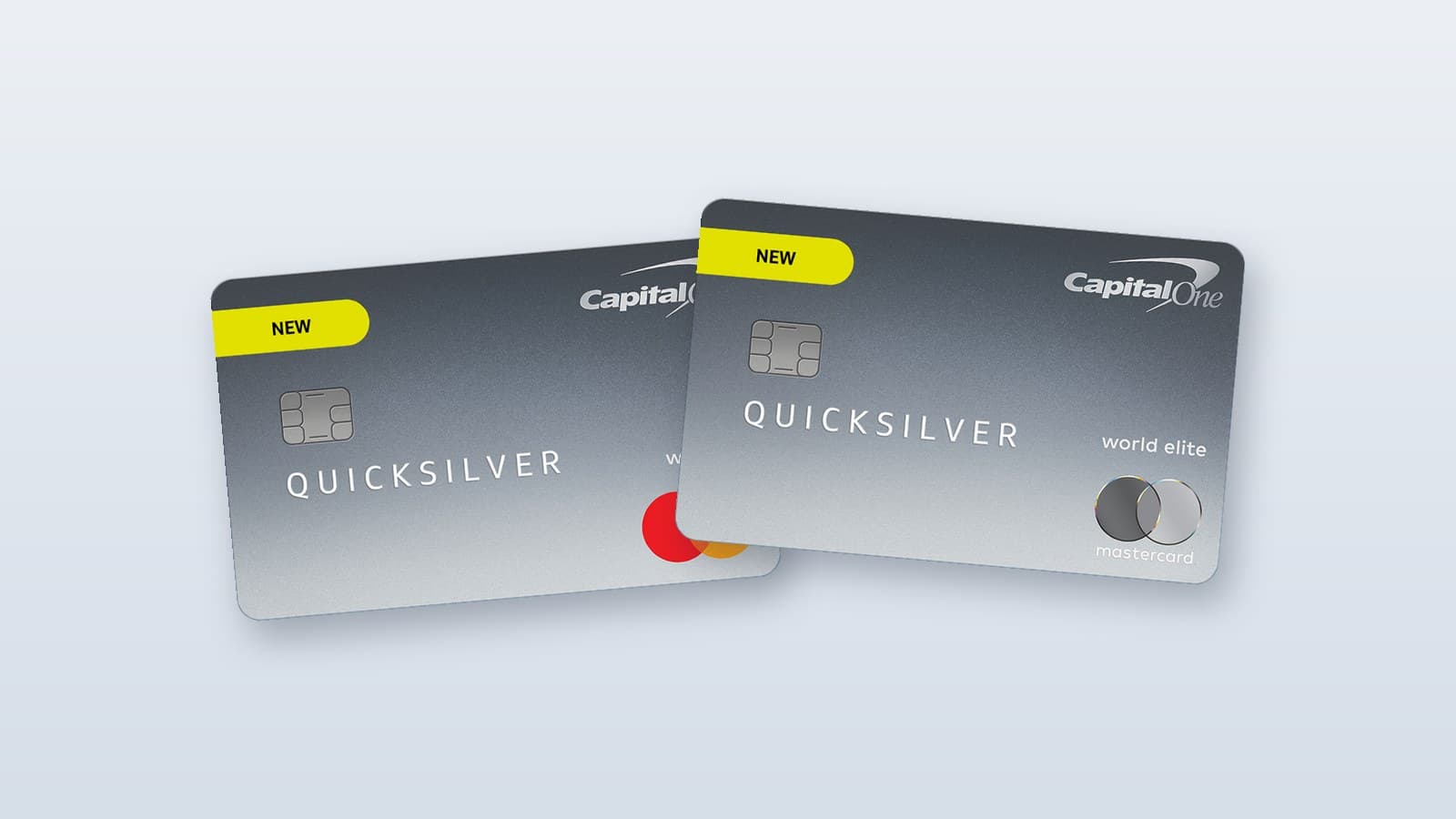
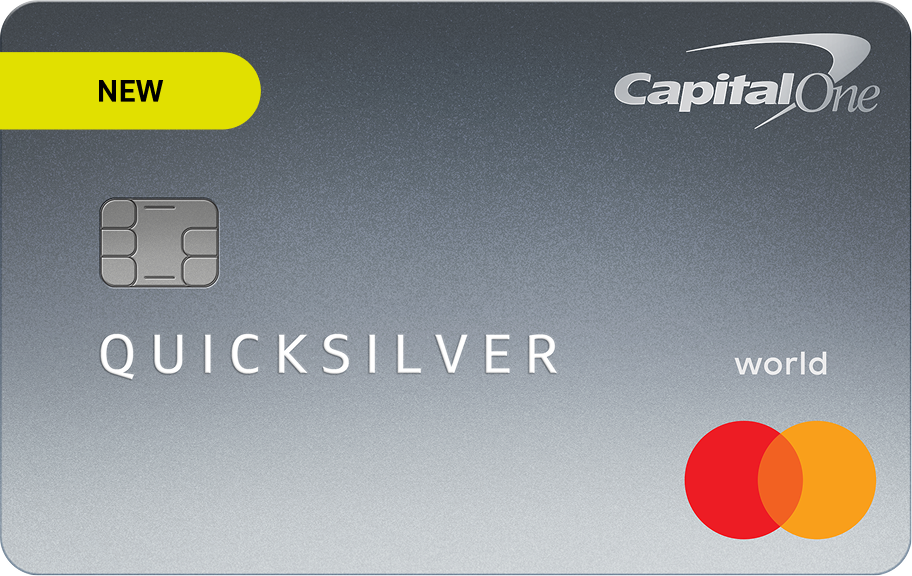
Capital One has launched two new cash back cards in Canada, the Quicksilver World Elite Mastercard® and the Quicksilver World Mastercard®. Both earn unlimited 3% cash back on groceries and gas, charge no annual fee, and waive foreign transaction fees entirely.
On top of that, Capital One will match every dollar of cash back you earn in your first year, which effectively doubles the earning rates for new cardholders.
I applied for the World Elite version as soon as I saw it and was approved on the spot. Let me walk through what the cards offer, how the first-year match works, and where they fit among Canada's no foreign transaction fee cards.
Two Cards with the Same Earning Rates
Both Quicksilver cards earn cash back at the same rates, with no caps on any category:
- 3% cash back at eligible grocery stores, excluding superstores like Walmart and Costco
- 3% cash back at eligible gas stations and EV charging stations
- 1% cash back on all other purchases
Your cash back doesn't expire as long as your account stays open. You can redeem it as a statement credit through online banking or the Capital One app, with each $1 of cash back taking $1 off your balance.
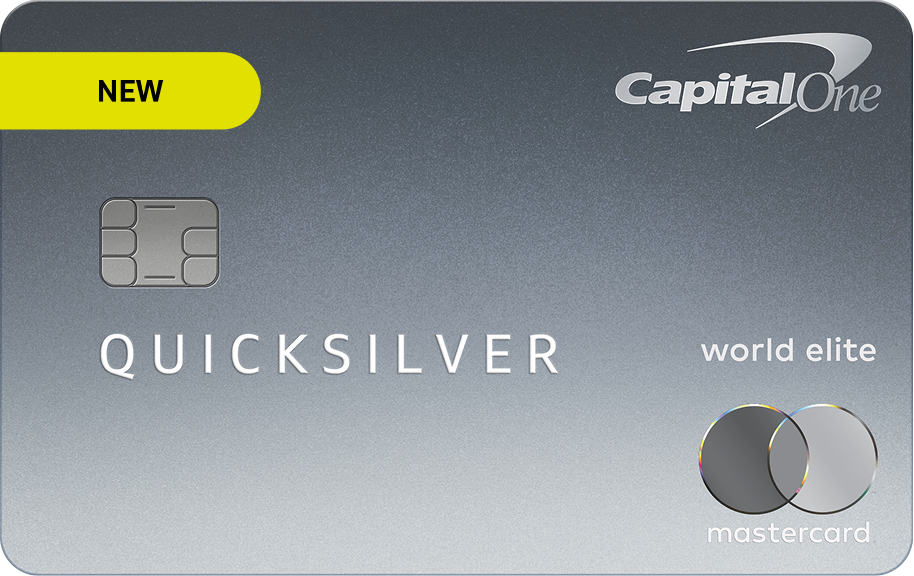
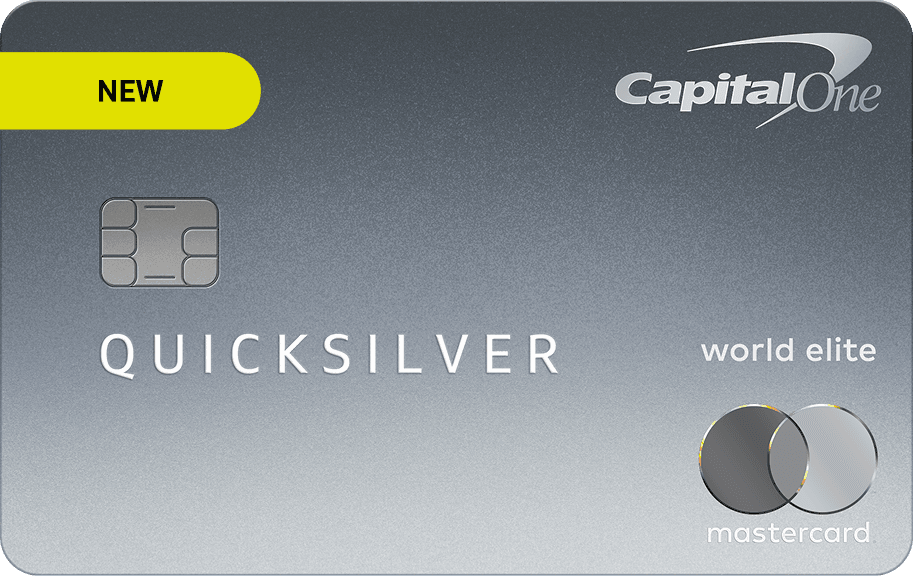
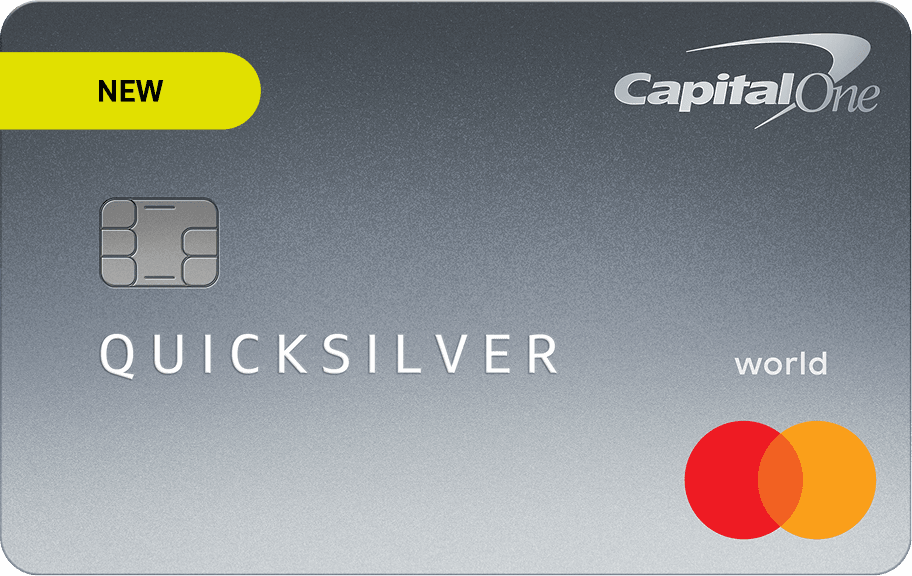
The two cards differ mainly on income requirements and interest rates:
| Quicksilver World Elite Mastercard® | Quicksilver World Mastercard® | |
|---|---|---|
| Annual fee | $0 | $0 |
| Foreign transaction fee | None | None |
| Earning rates | 3% on groceries and gas/EV charging, 1% on everything else | 3% on groceries and gas/EV charging, 1% on everything else |
| Purchase, balance transfer, and cash advance rate | 20.9% | 21.9%–29.9% |
| Minimum income | $80,000 personal or $150,000 household | $50,000 personal or $80,000 household |
Interestingly, the World Elite version carries a lower interest rate than its entry-level sibling. If you pay your balance in full every month, the rate won't matter, so the choice really comes down to which income requirement you meet.
Compare Cards
The First-Year Cash Back Match
As a new cardholder, Capital One will match all the cash back you earn in your first 365 days, dollar for dollar, with no limit on how much it'll match.
That effectively turns the earning rates into 6% on groceries and gas and 2% on everything else for your first year. The match is calculated at the end of those 365 days and credited within two billing periods, so you'll be waiting a little over a year to see it.
To put some numbers on it, say you spend $500 per month on groceries and gas and another $1,000 per month on everything else. Over a year, that earns $180 at 3% and $120 at 1%, for a total of $300 in cash back.
With the match, you'd end up with $600 for the year, which is excellent for a card with no annual fee.
Capital One notes that the offer is only available when it's displayed on its website, so I wouldn't count on it sticking around indefinitely.
Insurance and Benefits
For a no-fee card, the insurance package is very good. Both cards come with the same coverage:
- Flight delay: Up to $250 per 24 hours for delays of four hours or more, to a maximum of $1,000 per trip
- Baggage delay: Up to $100 per day for up to three days, to a maximum of $300
- Lost baggage: Up to $1,000 per trip
- Common carrier travel accident: Up to $500,000
- Car rental collision/loss damage: Rentals of up to 31 days, on vehicles worth up to $65,000
- Purchase assurance and extended warranty: 90 days of purchase coverage, plus up to one extra year on the manufacturer's warranty
- Price protection: Up to $100 per item and $500 per year if an item's price drops within 30 days
The flight delay and baggage coverage stand out the most. Among the no-fee cards we track, hardly any include either one. To be covered, you'll need to charge the full cost of your ticket to the card.
That rules out most award bookings. The certificate says the full cost doesn’t include any reduced cost from redeeming reward programs, gift cards, or credits, so an award ticket where you only put the taxes and fees on the card doesn’t appear to qualify. The same definition applies to the car rental coverage.
Price protection is another nice surprise, as it’s become uncommon on Canadian credit cards. The car rental coverage is handy too, letting you decline the rental counter’s damage waiver on rentals of up to a month.
What you won't find is travel medical insurance, trip cancellation coverage, or lounge access. If you rely on a credit card for travel medical coverage, you'll still want another card or a separate policy for your trips.
To be clear, this is a very good insurance package for a no-fee card, but it’s not on the level of the premium cards we often hold and talk about. Most cards with an annual fee include travel medical and trip cancellation coverage, and they tend to offer higher baggage delay limits and longer car rental coverage than the Quicksilver’s $300 and 31 days.
Applying with Pre-Approval
One nice touch is that Capital One lets you see whether you'll be pre-approved before you submit the full application, which takes much of the guesswork out of applying.
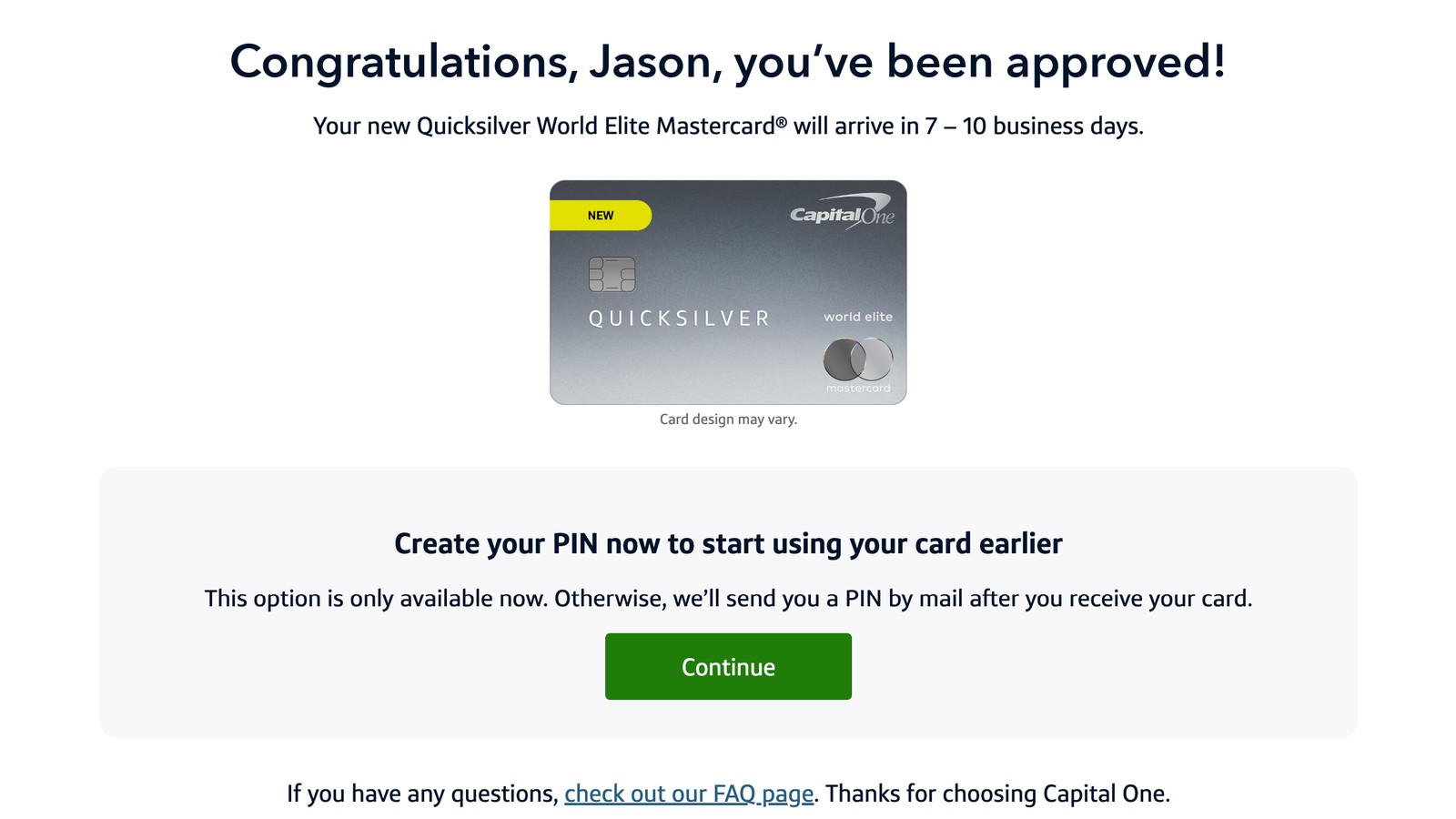
I went through the pre-approval check for the World Elite card, applied, and was approved right away. Capital One also gave me the option to set up my PIN on the spot rather than waiting for one in the mail, and the card is on its way in 7–10 business days.
Capital One Shopping and Capital One Offers
Capital One also runs a couple of shopping tools alongside its cards. Capital One Shopping is a free browser extension and app that looks for coupon codes, compares prices across retailers, and earns Shopping Rewards that you can redeem for gift cards.
Anyone can use it, whether or not you hold a Capital One card. The Canadian version is more limited than the US one, with fewer participating retailers and offers, but it's worth installing if you do a lot of online shopping.
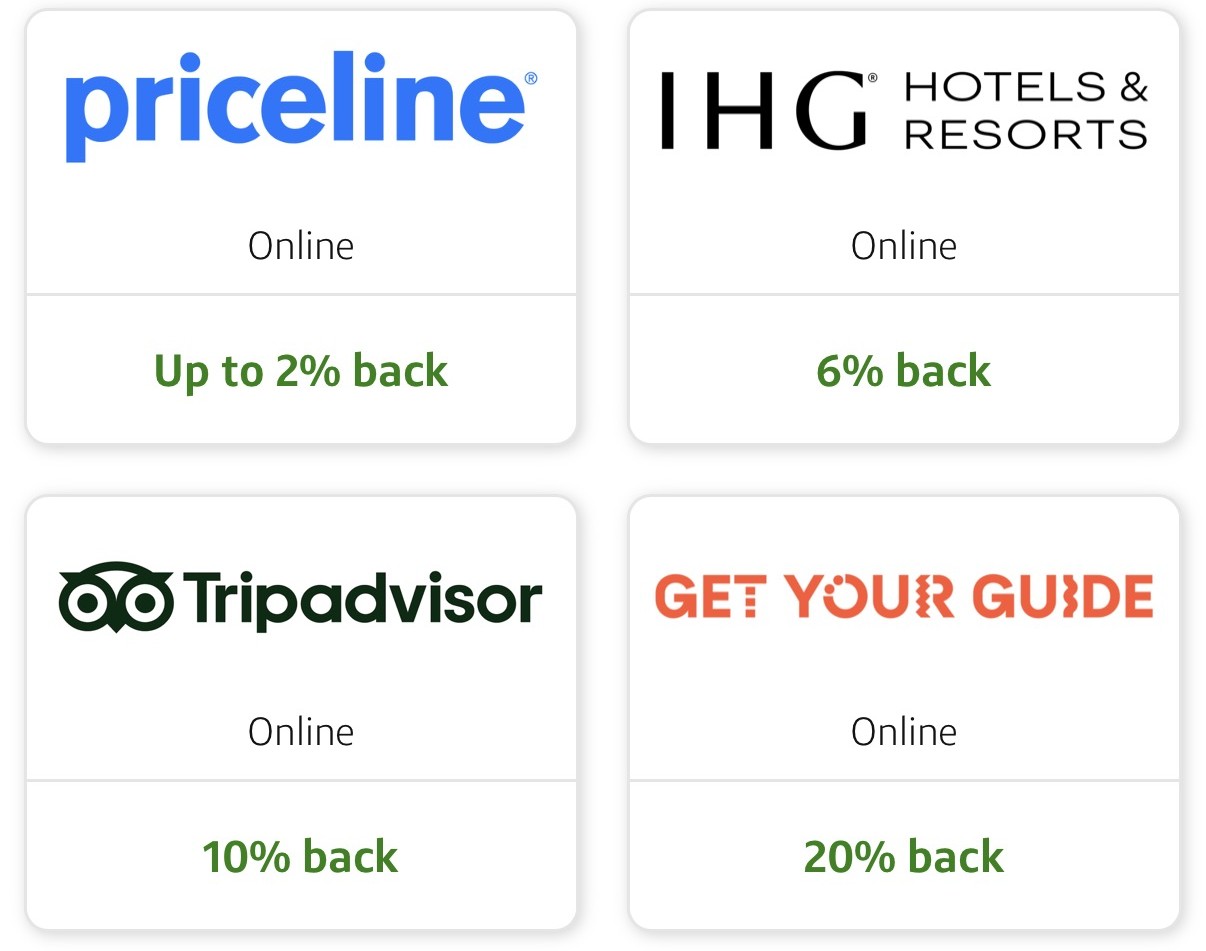
Capital One Offers is the company’s portal of merchant deals for cardholders, and it’s already live in my Canadian account. The lineup leans heavily toward travel, with cash back at hotel chains, booking sites, and tour platforms:
- GetYourGuide: 20% back
- Tripadvisor: 10% back
- Etsy: Up to 8% back
- IHG Hotels & Resorts: 6% back
- Marriott Bonvoy: Up to 5% back
- Booking.com: Up to 5% back
- Hilton: 4% back
- Vrbo: 2% back
- Priceline: Up to 2% back
The 20% back at GetYourGuide is the one that caught my eye. If you’re already planning to book a tour or day trip on your next vacation, that’s a substantial discount for simply starting your purchase through the portal.
Offers can change and each one comes with its own terms, so it’s worth checking the details before you book.
A Rare No-Fee, No-FX Combination
The lack of foreign transaction fees is the most interesting part of this launch. Most Canadian credit cards add a 2.5% fee to purchases in foreign currencies, and the cards that waive it usually come with an annual fee.
For context, this is how the Quicksilver cards stack up against a few of the no-FX cards already on the market, plus one popular no-fee card that offsets the FX fee instead:
| Card | Annual fee | Foreign transaction fee | Earning rates |
|---|---|---|---|
| Quicksilver World Elite Mastercard® | $0 | None | 3% on groceries and gas, 1% on everything else |
| Home Trust Preferred Visa Card | $0 | None | 1% on all purchases |
| Rogers Red World Elite® Mastercard | $0 | 2.5% | 1.5%–2% in Canada, 3% on US dollar purchases, 1.5% on other foreign currencies |
| Scotiabank Gold American Express® Card | $120 | None | Up to 6 Scene+ points per dollar in Canada, 1 point per dollar on foreign purchases |
| Scotiabank Passport® Visa Infinite +* Card | $150 | None | Up to 3 Scene+ points per dollar, with category multipliers that also apply abroad |
The Home Trust Preferred Visa Card has long been one of the few no-fee cards without FX fees, but it only earns 1% cash back. The Quicksilver cards beat it handily at home, and potentially abroad too.
That’s because the 3% categories are based on merchant category codes rather than where you shop. Capital One’s terms don’t limit them to Canada, so groceries and gas abroad should also earn 3% (or 6% in the first year), with no FX fee on top.
Just keep in mind that Capital One can’t guarantee how a merchant codes its transactions, and that’s especially true of stores outside Canada.
The Rogers Red World Elite® Mastercard often comes up as a no-fee travel card too, but it isn’t a true no-FX card. It still charges the standard 2.5% fee, and instead earns 3% cash back on US dollar purchases to offset it.
That nets out to roughly 0.5% back on US dollar spending, while purchases in other foreign currencies earn 1.5% and leave you about 1% behind after the fee. The Quicksilver cards come out ahead on both, with 1% back (or 2% in the first year) on foreign purchases and no fee at all.
Rogers is also changing how the Rogers Red cards earn and redeem starting November 18, 2026, though the announced changes don’t touch the US dollar rate.
The Scotiabank cards still offer more in other areas, like travel medical insurance and stronger earning in their bonus categories. For more options, see our guide on which credit cards have no foreign transaction fees.
To be fair, there's one quirk worth knowing. Costco only accepts Mastercard credit cards in Canada, but the 3% grocery rate excludes superstores like Costco and Walmart, so your Costco runs will earn just 1%.
Could Capital One Miles Come to Canada Next?
It’s worth remembering how much bigger Capital One’s rewards ecosystem is south of the border. In the US, the Venture cards earn Capital One Miles, which transfer to 18 airline and four hotel programs, including Air Canada Aeroplan, British Airways Club, and Singapore Airlines KrisFlyer.

On the hotel side, Capital One Miles also transfer to Accor Live Limitless, Choice Privileges, I Prefer, and Wyndham Rewards.
The US Quicksilver cards plug into that ecosystem as well. They earn a flat 1.5% cash back, but if you also hold a miles-earning Venture card, you can convert that cash back into Capital One Miles and send it to those partners.
In Canada, none of that exists yet. Capital One’s Canadian lineup has leaned heavily toward building credit, with the Guaranteed Mastercard® and Guaranteed Secured Mastercard® alongside the newer Smart Rewards™ Mastercard®.
Capital One has also pulled back from Canadian rewards before. It stopped offering the Capital One® Aspire Travel™ World Elite Mastercard® to new applicants and cut its earn rate from 2% to 1.5% in 2020, citing interchange economics. Its run as the Costco Mastercard issuer ended when CIBC took over in 2022.

So I’d temper expectations. Still, a World Elite card with no annual fee and no FX fees is a very different product from a secured card, and it’s hard not to read it as a sign that Capital One wants a bigger piece of the Canadian rewards market.
For now, transferable points are only something to hope for. But if Capital One ever brings its transfer partners north, the upside would be significant, especially for programs that Canadians can barely reach today.
Japan Airlines Mileage Bank is the best example. None of the major Canadian bank points programs transfer to it, so the main way in is converting Marriott Bonvoy points at a 3:1 ratio.
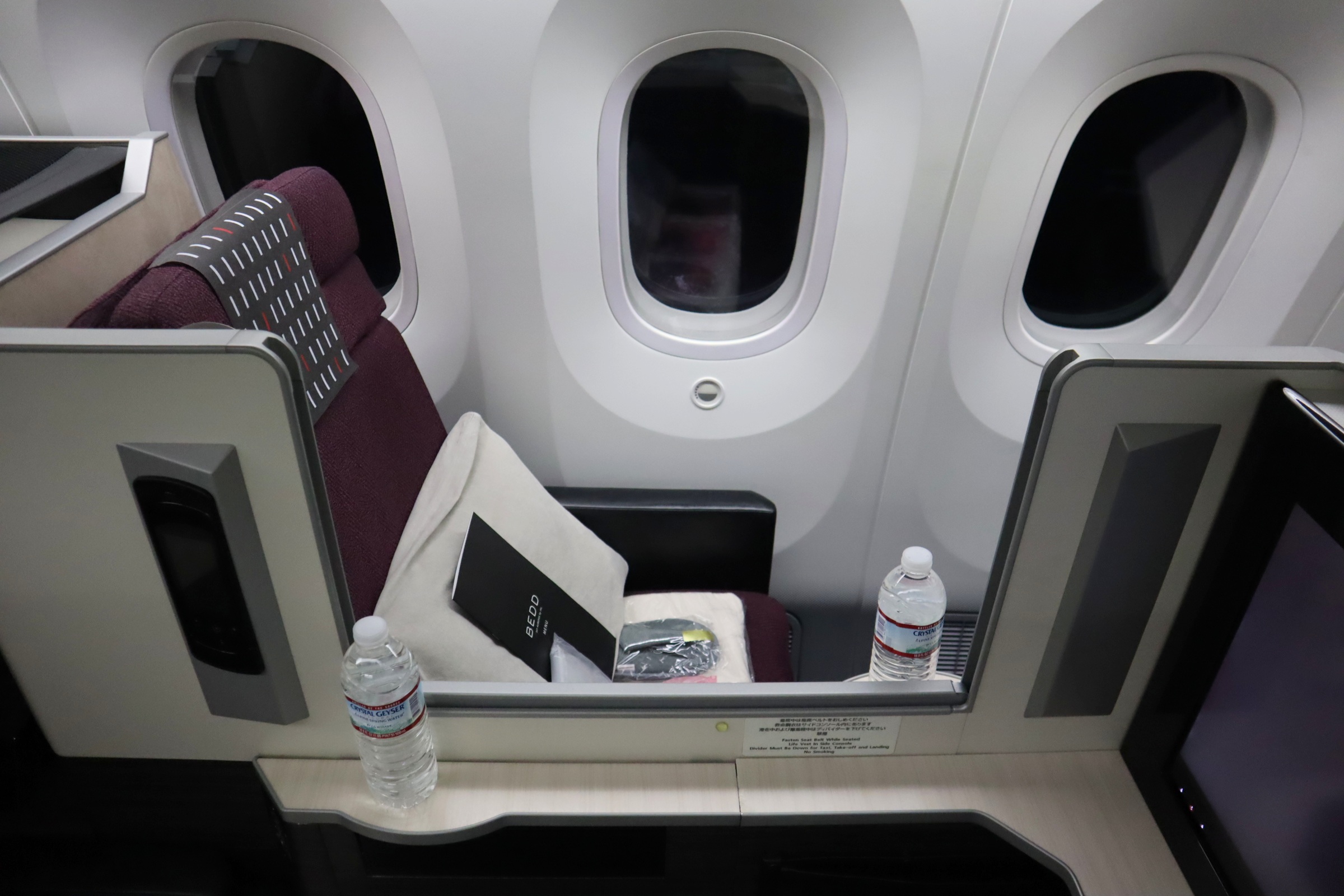
A direct path would unlock a whole new set of redemptions. The highlight is JAL’s own business class, which JAL Mileage Bank prices from 55,000 miles one-way between North America and Japan.
Saver seats at that price are hard to find, but even the more common 75,000 to 80,000 miles is a strong price for one of the best business class products in the sky. JAL also tends to release more award seats, including in first class, to its own members than to partner programs.
Its distance-based partner chart, which allows up to three free stopovers on partner awards, is also one of the best ways to book oneworld airlines and Emirates.
Taxes and surcharges on JAL’s own flights are also modest compared to carriers like British Airways, though they run higher on flights departing Japan. Add in JAL’s non-stop flights between Vancouver and Tokyo, and the value for Canadians would be very real.
Let me plant a flag. If the Quicksilver cards catch on, I wouldn’t be surprised to see a Venture-style card with transferable points arrive in Canada down the road, especially since Aeroplan and JAL Mileage Bank are both already Capital One transfer partners in the US. That’s speculation on my part, but it’s the move I’ll be watching for.
Conclusion
Capital One has launched with a strong pitch. A no-fee card that earns 3% on two of the biggest everyday categories and doesn't penalize you for spending abroad fills a real gap in the Canadian market.
My plan is to put groceries and gas on the World Elite card, and to use it for every foreign currency purchase in its first year, when everything earns double.
If you already hold a strong grocery card like the Scotiabank Gold American Express® Card, the Quicksilver still earns a spot as a no-fee travel companion. And if you were about to pick up a card purely for the FX savings, this is the one I'd look at first.
No annual fee and no FX fees used to mean settling for 1% back. With the Quicksilver cards, that compromise is a lot smaller.





Member Discussion