Priority Pass vs. Visa Airport Companion Program: Is There Any Difference?


If you hold a premium Canadian credit card, there's a good chance you already have access to an airport lounge program. The question is: which one, and does it matter?
The two biggest lounge networks available to Canadian cardholders are Priority Pass and the Visa Airport Companion Program (powered by DragonPass). I've used both extensively, and while they share a lot of the same lounges, they're not identical.
With changes coming to Amex Platinum lounge access in 2027, I wanted to dig into what actually separates these two programs, and whether Priority Pass still justifies its premium.
What Is Priority Pass?
Priority Pass is the world's largest independent airport lounge network, with 1,500+ lounges across 140+ countries. It's been around since 1992 and is operated by the Collinson Group.
In Canada, Priority Pass is exclusively available through American Express-branded cards. You can't get it from a Visa or Mastercard. The three Canadian cards that include Priority Pass are:
- American Express Platinum Card: Unlimited Priority Pass visits for the cardholder plus one guest
- Business Platinum Card from American Express: Unlimited Priority Pass visits for the cardholder plus one guest
- Scotiabank Platinum American Express® Card: 10 Priority Pass visits per year
Beyond traditional lounges, Priority Pass also includes airport restaurants (with a dining credit), sleep pods, and spa services at select locations.
It's worth noting that restaurant credits are not available for Amex-issued Priority Pass memberships. They were removed back in August 2019. This perk is only available through select non-Amex issuers in the US, and even there the benefit has been shrinking.
What Is the Visa Airport Companion Program?
The Visa Airport Companion Program is powered by DragonPass, a separate lounge network with 1,300+ lounges worldwide. It's the lounge program that comes bundled with many Visa Infinite and Visa Infinite Privilege credit cards in Canada.
Unlike the unlimited access that comes with the Amex Platinum, the Visa Airport Companion Program provides a set number of complimentary visits per year, depending on the card. Additional visits or guests can be purchased at approximately $35 (USD) per person.
Here are some of the Canadian cards that include Visa Airport Companion Program access:
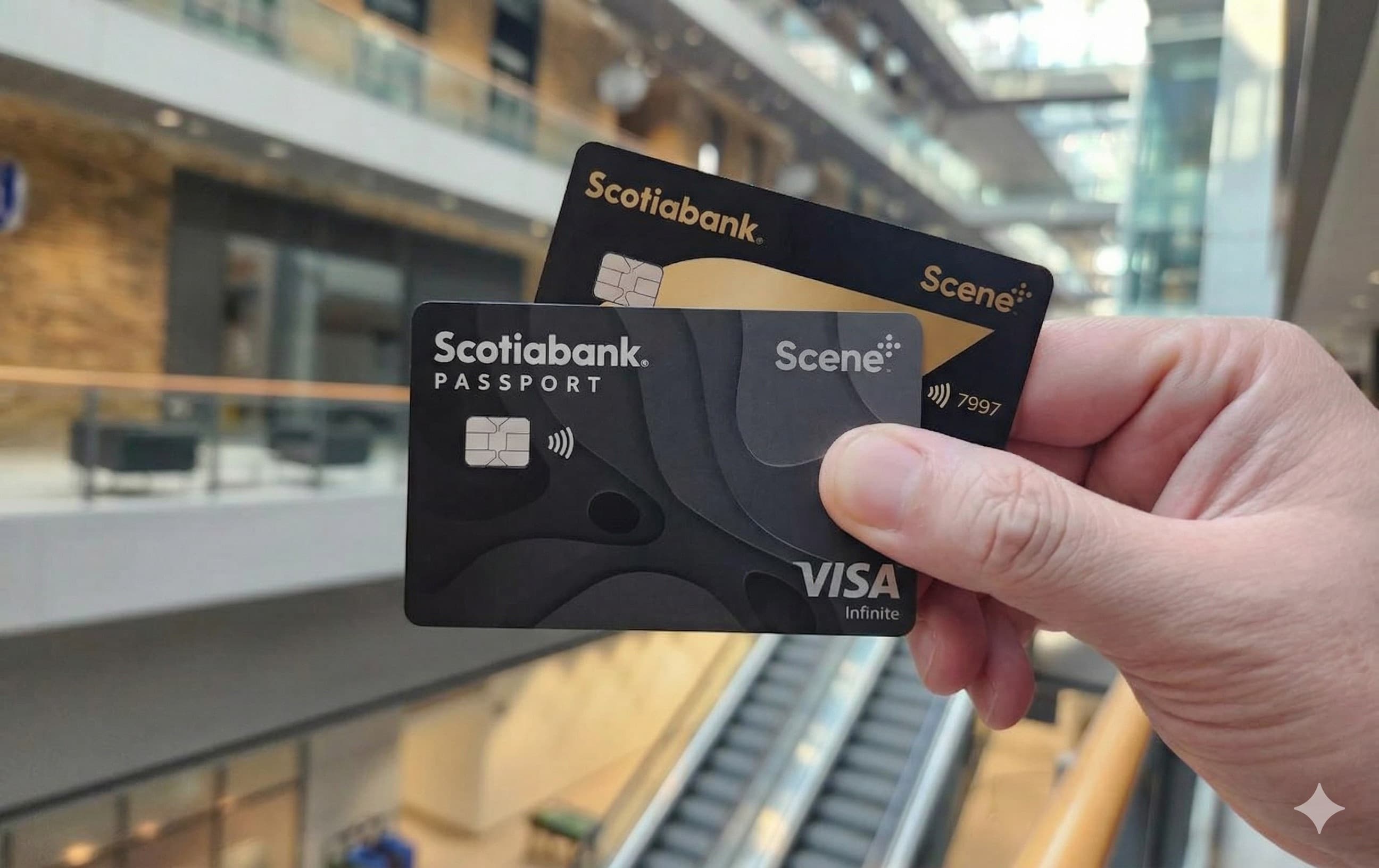
- Scotiabank Passport® Visa Infinite Privilege* Card: 10 visits per year
- CIBC Aeroplan® Visa Infinite Privilege* Card: 6 visits per year
- RBC® Avion Visa Infinite Privilege†: 6 visits per year
- Scotiabank Passport® Visa Infinite* Card: 6 visits per year
- CIBC Aventura® Visa Infinite* Card: 4 visits per year
- TD First Class Travel® Visa Infinite* Card: 4 visits per year
Many Canadian travellers already hold one of these cards for everyday spending or Aeroplan earning. That means they have lounge access built in without even knowing it.
How Do the Two Networks Compare?
On the surface, Priority Pass and DragonPass look quite similar. They're both global lounge networks, they share many of the same partner lounges, and the per-visit cost for additional entries is about the same (~$35 (USD)).
There are, however, some real differences worth unpacking.
Network Size and Regional Strengths
Priority Pass has the larger overall footprint at 1,600+ lounges compared to DragonPass at 1,300+. The gap isn't uniform, though. It varies dramatically by region.
In Europe, Priority Pass has a commanding lead with roughly 370 lounges versus 225 for DragonPass. In North America, it's a similar story: 150 versus 109.
In the Asia Pacific region, however, DragonPass actually matches or slightly exceeds Priority Pass, with around 444 lounges compared to 440.
That regional split matters. If you're mostly flying within Asia, DragonPass is every bit as capable as Priority Pass.
If you're connecting through European or US airports, Priority Pass offers significantly more options.
Airport-by-Airport: Where Each Network Wins
I dug into specific airports to see where the two networks diverge. The most telling differences aren't about which network has more lounges. It's the airports where one network has access and the other has nothing at all.
| Airport | Priority Pass | DragonPass |
|---|---|---|
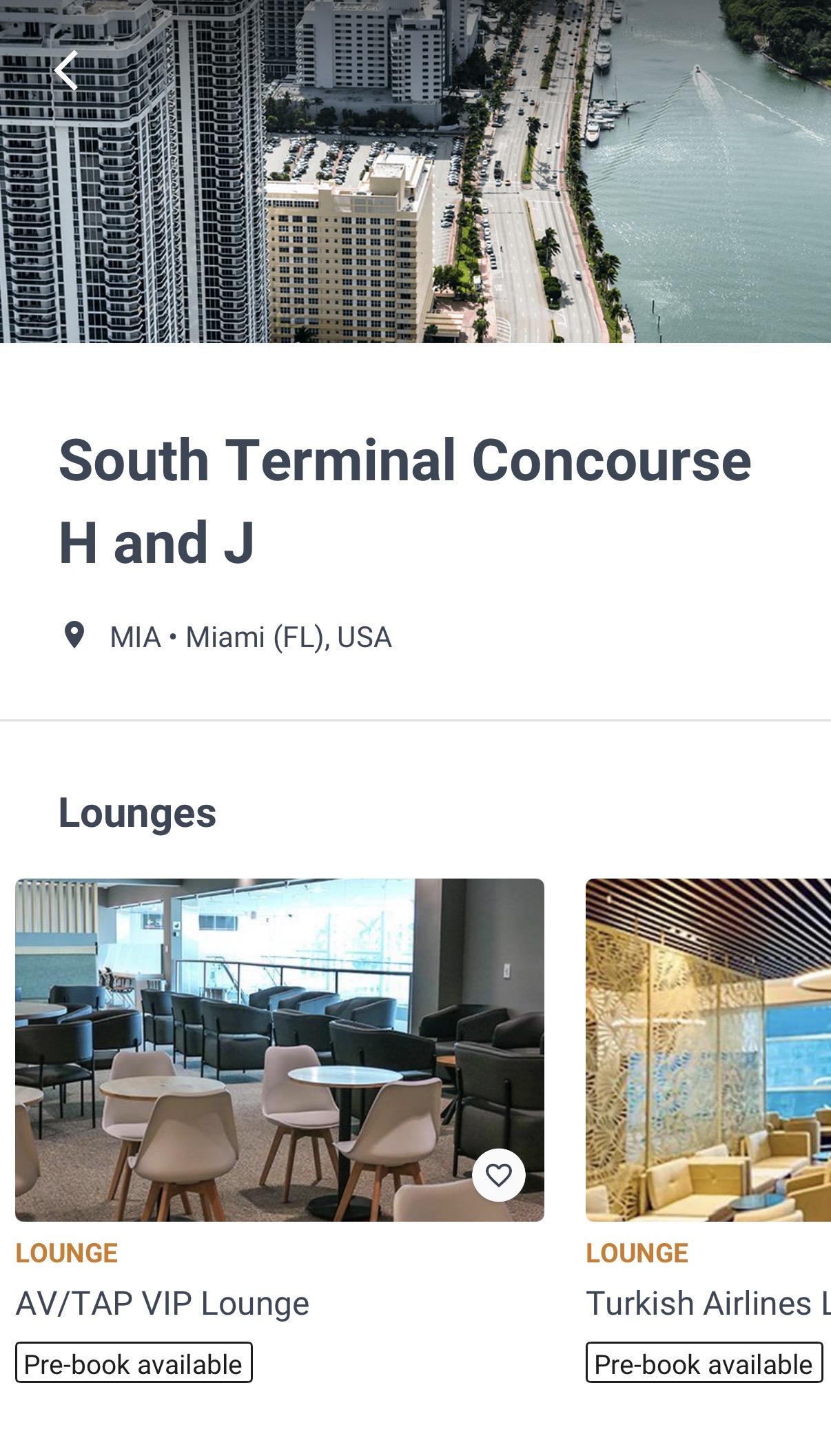
| Miami (MIA) | AV/TAP VIP Lounge, Turkish Airlines Lounge | No lounge options |
| Lima (LIM) | The Club LIM | No lounge options |
| Jeju (CJU) | Korean Air Lounge, Asiana Lounge | No lounge options |
| Aruba (AUA) | International VIP Lounge (Gate 2 and Gate 8) | No lounge options |
| Mexico City (MEX) | 6 lounges including The Grand Lounge Elite | No lounge options |
| Fort Lauderdale (FLL) | No lounge options | Escape Lounge |
| Kaohsiung (KHH) | No lounge options | Southern Premium Lounge |
Miami (MIA) is an especially notable gap. It's one of the busiest international airports in the US, and DragonPass simply can't get you into a lounge there. Mexico City (MEX) is another big one, with 6 Priority Pass lounges and zero for DragonPass.
On the flip side, DragonPass picks up niche airports like Kaohsiung (KHH) in southern Taiwan that Priority Pass misses entirely.
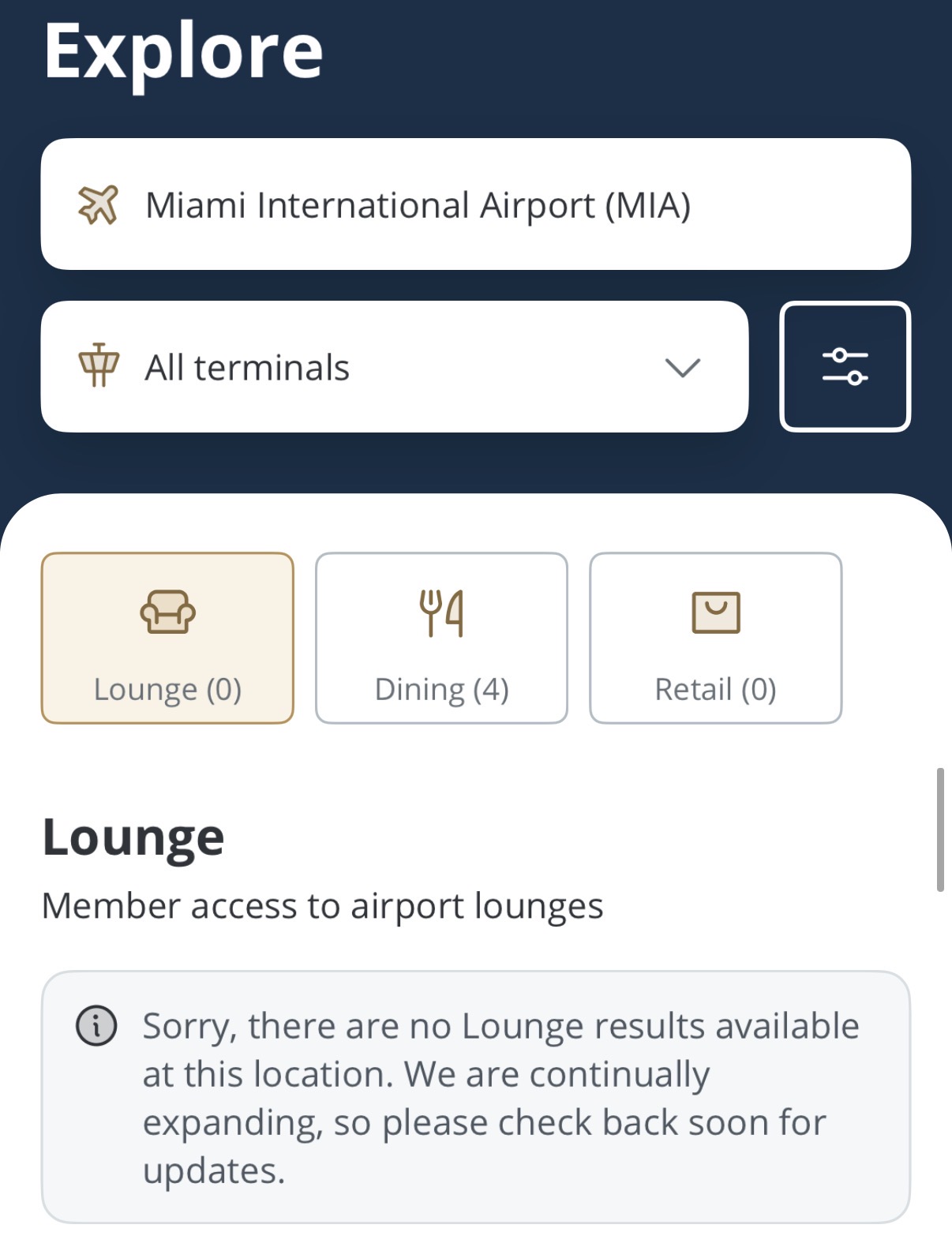
At airports where both networks have coverage, Priority Pass generally has the edge in Europe and the US (thanks to The Club lounges at 18+ US locations). DragonPass tends to be stronger across East and Southeast Asia.
At most major hubs – London Heathrow (LHR), Frankfurt (FRA), Bangkok (BKK), Sydney (SYD), and many others – the two networks overlap almost completely.
Keep in mind that lounge network agreements change frequently. Lounges join and leave both programs throughout the year. Always check the Priority Pass or DragonPass app before you travel to confirm which lounges are currently available at your departure airport.
Canadian Airport Coverage
Interestingly, DragonPass is quite competitive at Canadian airports. Thanks to partnerships between Visa and major Canadian banks, the DragonPass network has solid coverage at airports like Toronto Pearson (YYZ), Vancouver (YVR), Montreal (YUL), and Calgary (YYC).
For travellers who primarily lounge at Canadian airports before domestic or transborder flights, the Visa Airport Companion Program may cover most of your needs.
Access Model
This is where the biggest practical difference lies. Priority Pass via the Amex Platinum provides unlimited visits (at least until the end of 2026). The Visa Airport Companion Program provides a capped number of visits, typically 4–10 per year, depending on the card.
For frequent travellers who visit lounges 15–20+ times per year, Priority Pass is the clear winner on volume. For occasional travellers who lounge 4–6 times per year, the Visa Airport Companion Program's included visits may be more than enough.
The 2027 Amex Platinum Changes
Starting in 2027, American Express Platinum Card holders will no longer enjoy unlimited Priority Pass and Plaza Premium access by default. Instead, cardholders will receive 6 Priority Pass visits and 6 Plaza Premium visits per year (12 total) unless they spend $20,000 CAD per year on the card to unlock unlimited access.
We've covered the full details in our breakdown of the 2027 Amex Platinum lounge changes.
This is where the airport comparison above becomes especially relevant. If you're a frequent traveller to airports like Miami (MIA) or Mexico City (MEX) – where Priority Pass is your only lounge option – those 6 visits become a lot more precious, and maintaining Priority Pass access matters more. For travellers who frequent airports where both networks overlap, the Visa Airport Companion Program can fill the gap nicely.
The Ideal Strategy
For Canadian travellers who want comprehensive lounge coverage, the ideal combination has traditionally been an Amex Platinum (for unlimited Priority Pass) paired with any Visa Infinite Privilege card (for DragonPass). Together, these two networks cover virtually every airport lounge available to credit card holders.
Post-2027, the calculus changes. If you're not hitting $20,000 in Amex Platinum spend, a Visa Infinite Privilege card with 6–10 DragonPass visits may be all the lounge access you need.
You can also supplement with other access methods like Maple Leaf Lounge access through the Aeroplan Reserve Card, or Aeroplan Elite Status.
Priority Pass remains the more expansive network, but it's no longer "free" in the way it used to be. For many Canadian travellers, the Visa Airport Companion Program could be the smarter play going forward, especially when it's already bundled with a card that serves as your primary everyday earner.
Conclusion
If I were building a lounge strategy from scratch today, I'd start with whatever Visa Infinite Privilege card already fits my spending pattern and treat DragonPass as my baseline. For most Canadian airports and most Asian hubs, that's plenty.
I'd only layer on Priority Pass (via the Amex Platinum or Scotiabank Platinum Amex) if I regularly fly through airports where DragonPass has zero coverage, like Miami (MIA) or Mexico City (MEX). After the 2027 Amex Platinum changes cap Priority Pass at 6 visits, paying $799 per year just for occasional lounge access becomes a harder sell.
Before renewing or adding any premium card, pull up the DragonPass and Priority Pass apps and search the airports you actually fly through. The overlap might surprise you.
For a deeper dive into lounge access strategies, check out our guide on Canada's Best Credit Cards for Lounge Access and our overview of how lounge access works on the Amex Platinum cards.

Jason thrives on connecting with the heart of a destination, seeking out experiences that go beyond the guidebooks.

First-year value
$336
Monthly fee: $15.99
• Earn 1,250 points per month upon spending $750 per month for 12 months
Earning rates
Key perks
- Transfer to airline and hotel partners
Monthly fee: $15.99
• Earn 1,250 points per month upon spending $750 per month for 12 months
Earning rates
Key perks
- Transfer to airline and hotel partners