A Digestible Guide to Air Canada’s Revenue-Based Aeroplan Program (2026)


Air Canada’s Aeroplan program has officially shifted to a revenue-based earning model for flights as of January 1, 2026.
Instead of awarding points based on distance flown and fare class, Aeroplan now calculates points based on how much you spend on your ticket.
This change impacts all Aeroplan members, with varying results depending on your fare, route, and Elite Status.
In this guide, we’ll walk through how the new model works, how it compares to the previous system, and what kind of traveller stands to benefit, or lose out.
Aeroplan Points Are Now Earned Based on Spending
You now earn 1 Aeroplan point per $1 CAD spent on:
- Base fare
- Carrier-imposed surcharges
- eUpgrade add-on fees
You won’t earn points on:
- Government-imposed taxes and airport fees
- Checked baggage fees
- Seat selection fees
- Other optional or third-party charges
Even though your receipt total may be higher, Aeroplan only calculates points on the eligible spend portion of the fare — typically what goes directly to Air Canada.
This applies to all fare classes, including Economy (Basic). Whether you book Standard or Business Class, you earn points based on spend, not distance.
If you pay in a currency other than Canadian dollars, Air Canada will convert the eligible spend to CAD using their internal exchange rate before calculating Aeroplan points and SQC. This ensures consistent earning across markets.
Elite Status Multiplies Your Points
If you have Aeroplan Elite status, you’ll earn 2–6 Aeroplan points per dollar spent under the new model, as Air Canada is introducing a new Points Multiplier Core Benefit:
- 25K status = 2x Aeroplan points
- 35K status = 3x Aeroplan points
- 50K status = 4x Aeroplan points
- 75K status = 5x Aeroplan points
- Super Elite status = 6x Aeroplan points
This multiplier applies only to Air Canada-operated flights, and is calculated on the same eligible spend components listed above.
Revenue-Based vs. Distance-Based: What’s Changed?
Under the old model, Aeroplan points were based on distance flown and fare class, meaning long-haul flights, even in economy, could result in a solid points haul.
That’s no longer the case.
Now, what matters is how much you spend, regardless of how far you fly. This shift changes the incentives:
- Booking a cheap long-haul fare? You’ll likely earn fewer points than before.
- Booking a last-minute or high-fare ticket? You may earn more.
- Have Elite Status? You’ll see your multiplier make a real difference.
Example Scenarios
Scenario 1: No Status, Short-Haul Economy
- $300 base fare + $100 taxes = $400 ticket
- You earn 300 Aeroplan points
Previously, a short-haul flight might’ve earned more than this, depending on fare class and distance. Under the new model, it’s directly tied to spend.
Scenario 2: Super Elite, Premium Economy
- $800 base fare + $200 taxes = $1,000 ticket
- Super Elite earns 4,800 Aeroplan points (6x multiplier on $800)
This setup benefits from both a higher fare and the Elite multiplier.
Partner Flights: More Complicated
Points earning on partner flights now depends heavily on who issued the ticket and which airline operates the flight.
Here’s how it breaks down:
- Air Canada-issued ticket (014) on select partners (e.g. United, Lufthansa):
→ Earn revenue-based points, with Elite multiplier. - Ticket issued by another airline, even if you fly on Air Canada:
→ Earn revenue-based points, but no Elite multiplier. - Partner-issued ticket operated by a Star Alliance or non-alliance partner:
→ Earn points based on the old distance-and-fare chart, no Elite multiplier.
This distinction is critical. If you’re booking partner flights through Aeroplan, pay attention to who issues the ticket and what type of flight you’re on.
Flight Passes and Promotional Offers
For both limited- and unlimited-credit Flight Passes, you now earn points under the revenue model:
- Limited-credit Passes: earn points based on the price divided by the number of credits used
- Unlimited Passes: earn points monthly based on the payment installment
Air Canada also plans to run frequent promotions on Air Canada-operated flights — offering bonus points on top of base earnings. These will vary by destination, fare type, or travel period.
No Change to Credit Card Points
Aeroplan co-branded credit cards continue to earn bonus points as before:
- Up to 3x on Air Canada purchases
- 2x on dining and food delivery
- 1–1.25x on all other eligible purchases
These points are separate from the revenue-based flight earnings and are still an excellent way to grow your balance outside of flying.
Status Qualification Now Uses SQC
What Are Status Qualifying Credits?
Aeroplan Elite Status is now earned using a new metric: Status Qualifying Credits (SQC). These replace the old mix of SQM, SQS, and SQD.
You earn SQC based on eligible spend on Air Canada flights and certain other activities.
SQC Earning Rates on Air Canada Flights
- Economy (Basic): 0 SQC per $1 spent
- Economy (Standard): 2 SQC per $1 spent
- Flex / Comfort / Latitude: 4 SQC per $1 spent
- Premium Economy / Business: 4 SQC per $1 spent
- eUpgrade Add-on Fees: 2 SQC per $1 spent
You don’t earn SQC on baggage or seat selection fees, nor on taxes and third-party charges.
SQC on Partner Flights
SQC on partner flights depends on ticketing and operating airline:
- AC-issued ticket + Star Alliance-operated flight → SQC based on fare
- AC-issued ticket + non-alliance partner → no SQC
- Partner-issued ticket + flown on Air Canada → SQC based on cabin:
- 2 SQC per $1 in economy
- 4 SQC per $1 in premium cabins
- Partner-issued ticket + flown on Star Alliance → 1 SQC per 5 Aeroplan points earned
- Partner-issued ticket + non-alliance partner → no SQC
You can earn a maximum of 25,000 SQC per year from partner flights not issued by Air Canada or everyday partner activity combined.
SQC from Everyday Partners & Credit Cards
Earn Up to 25,000 SQC from Everyday Partners
For every 5 Aeroplan points earned through select partners, you earn 1 SQC, up to 25,000 per year.
Eligible partners include:
- Starbucks
- Uber & Uber Eats
- LCBO
- Journie Rewards
- Avis
- Marriott
You don’t earn SQC from:
- Aeroplan eStore
- Credit card welcome bonuses
- Points transferred from external programs (e.g., Amex MR)
Earn Up to 25,000 SQC from Credit Card Spend
Credit card spending also earns SQC, again, capped at 25,000 per year.
- Core Aeroplan Cards: 1,000 SQC per $20,000 spent
- Premium Aeroplan Cards: 1,000 SQC per $5,000 spent
To max out, you’ll need to spend $500,000 on a core card, and $125,000 on a premium card.
Premium Aeroplan Credit Cards
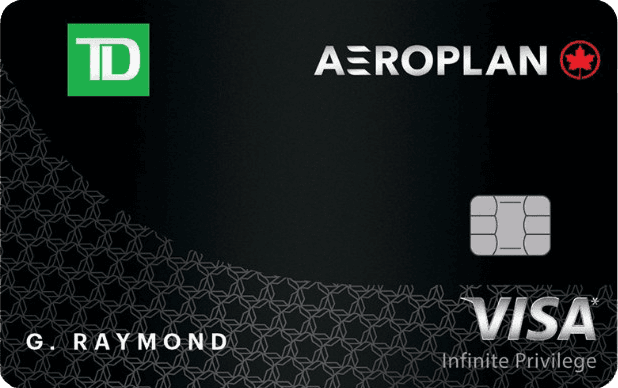
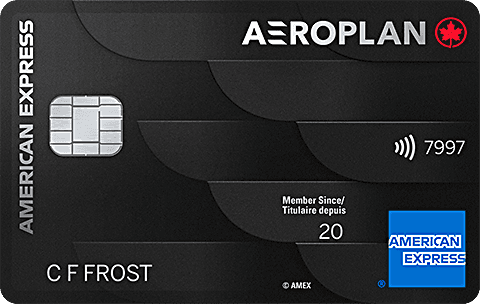
Welcome bonus: 85,000 Aeroplan points
Annual fee: $599
First-year value
$871
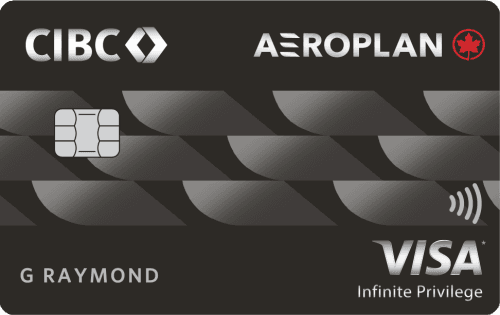
Welcome bonus: 85,000 Aeroplan points
Annual fee: $599
First-year value
$858
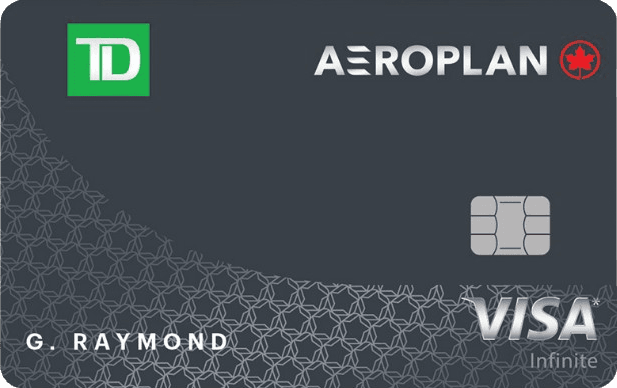
Welcome bonus: 100,000 Aeroplan points
Annual fee: $599
First-year value
$582
The Chase Aeroplan Card (U.S.) also earns SQC in three ways:
- 5,000 SQC annually
- 10,000 SQC at $25,000 (USD) spend
- 10,000 SQC at $50,000 (USD) spend
Everyday Status Qualification Still Exists
In addition to earning status through SQC, you can still qualify for Aeroplan 25K by earning 100,000 eligible Aeroplan points in a calendar year.
This alternative pathway, known as Everyday Status Qualification (EDQ), remains unchanged under the 2026 program.
SQC Head Start (Coming in 2027)
Air Canada is introducing a Head Start benefit in 2027 for premium Aeroplan credit cardholders.
You’ll receive 10% of your previous year’s SQC credited at the start of the next year. There’s no cap.
To qualify:
- Be the primary cardholder of a premium Aeroplan card
- Hold the card by December 15 of the previous year
In 2026 only, eligible rollover SQM from 2025 converts to SQC at a 5:1 ratio, capped at 200,000 SQM (40,000 SQC).
50,000+ travellers get this email
Weekly deals, credit card insights, and points strategies – free forever.
How Do the Aeroplan Premium Credit Card Rollover Benefits Work?
Read moreLifetime Qualifying Miles (LQM)
Lifetime Qualifying Miles continue to count toward Air Canada’s Million Mile program. LQMs are still based on the distance flown on Air Canada-operated flights, regardless of fare type.
However, bonus LQMs that used to be awarded for higher fare classes are no longer issued under the new system.
Milestone Benefits: Replacing Threshold & Select Benefits
Air Canada now rewards Elite members with Milestone Benefits based on your SQC accumulation.
Here’s how they work:
- Every 10,000 SQC up to 200,000: earn a Milestone
- Every 20,000 SQC beyond 200,000 (up to 1 million): continue earning Milestones
You’ll receive:
- 10 eUpgrades automatically at 10K, 30K, 50K SQC
- One benefit selection (e.g. Priority Reward, lounge pass, bonus points, discounts) at 20K, 40K, 60K and beyond
| SQC Threshold | Automatic/Selection | Milestone Benefit |
|---|---|---|
| 10,000 | Automatic | 10 eUpgrade credits |
| 20,000 | Selection | Choose one: 1 Priority Reward, 2 Maple Leaf Lounge Passes, 10 eUpgrade credits, 5,000 Aeroplan points, 30% off Car/Hotel Redemption, 30% off Gift Card/Merchandise Redemption |
| 30,000 | Automatic | 10 eUpgrade credits |
| 40,000 | Selection | Choose one: 1 Priority Reward, 4 Maple Leaf Lounge Passes, 10 eUpgrade credits, 7,500 Aeroplan points, 2,500 bonus SQC, 30% off Car/Hotel Redemption, 30% off Gift Card/Merchandise Redemption |
| 50,000 | Automatic | 10 eUpgrade credits |
| 60,000 | Selection | Choose one: 1 Priority Reward, 2 Status Passes, 7,500 Aeroplan points, 2,500 bonus SQC, 30% off Car/Hotel Redemption, 30% off Gift Card/Merchandise Redemption |
| 70,000 | Automatic & Selection | 10 eUpgrade credits Choose one: 2 Status Passes, 5,000 Aeroplan points, $150 Air Canada gift card, Aeroplan 25K Status for a Friend |
| 80,000 | Selection | Choose one: 1 Priority Reward, 2 Status Passes, 7,500 Aeroplan points, 2,500 bonus SQC, 30% off Car/Hotel Redemption, 30% off Gift Card/Merchandise Redemption |
| 90,000 | Automatic & Selection | 10 eUpgrade credits Choose one: 2 Status Passes, 5,000 Aeroplan points, $150 Air Canada gift card, Aeroplan 35K Status for a Friend |
| 100,000 | Selection | Choose one: 1 Priority Reward, 2 Status Passes, 7,500 Aeroplan points, 2,500 bonus SQC, 30% off Car/Hotel Redemption, 30% off Gift Card/Merchandise Redemption |
| 110,000 | Automatic & Selection | 10 eUpgrade credits Choose one: 2 Status Passes, 5,000 Aeroplan points, $150 Air Canada gift card |
Important: You must already hold Elite Status to begin earning Milestones at 10K and 20K. If you don’t have status yet, your first Milestone is at 30,000 SQC.
Core Benefit Changes for 2026
- Maple Leaf Lounge passes are no longer a Core Benefit (now Milestone-only)
- eUpgrade credits change by tier — some tiers get more, others less
- You can now share eUpgrades with up to 4 companions in advance, and 4 more at the airport on the same flight
- eUpgrade add-on fees increase on Economy (Standard):
- +$100 for North America and Sun destinations
- +$150 for international
| 25K | 35K | 50K | 75K | Super Elite | |
|---|---|---|---|---|---|
| Current allotment | 20 | 20 | 20 | 20 | 20 |
| 2026 allotment | 5 | 10 | 15 | 20 | 30 |
| Difference | -15 | -10 | -5 | – | +10 |
These changes apply to all flights from January 1, 2026, even if upgrades are requested earlier.
Conclusion
Air Canada’s 2026 Aeroplan changes mark a major shift in how you earn both points and status. Points are now tied to eligible spend, and Aeroplan Elite Status is measured by Status Qualifying Credits (SQC), which you can earn from flights, partners, and credit card activity.
The new system rewards travellers who spend more or hold status, while those booking low-cost long-haul fares may earn less than before.
Understanding the rules around partner flights, ticketing, and Milestone Benefits is key to making the most of Aeroplan in 2026 and beyond.

Jason thrives on connecting with the heart of a destination, seeking out experiences that go beyond the guidebooks.
First-year value
$588
Annual fee: $139First Year Rebate
• Earn 10,000 points on first purchase
• Earn 15,000 points upon spending $3,000 in the first 3 months
• Earn 20,000 points on card anniversary upon spending $12,000 in the first 12 months
Earning rates
Key perks
- Free first checked bag for cardholder + up to 8 companions
- 1,000 SQC per $20,000 spend toward Aeroplan Elite Status (up to 25,000 SQC/year)
- $100 NEXUS rebate every 48 months
- 4th night free on Aeroplan hotel redemptions
- Troon Rewards Silver (10% off at 95+ golf courses)
- Avis Preferred Plus (1 car-class upgrade)
Annual fee: $139First Year Rebate
• Earn 10,000 points on first purchase
• Earn 15,000 points upon spending $3,000 in the first 3 months
• Earn 20,000 points on card anniversary upon spending $12,000 in the first 12 months
Earning rates
Key perks
- Free first checked bag for cardholder + up to 8 companions
- 1,000 SQC per $20,000 spend toward Aeroplan Elite Status (up to 25,000 SQC/year)
- $100 NEXUS rebate every 48 months
- 4th night free on Aeroplan hotel redemptions
- Troon Rewards Silver (10% off at 95+ golf courses)
- Avis Preferred Plus (1 car-class upgrade)