
Formerly Alaska Airlines Mileage Plan, Atmos Rewards offers access to a broad network of partner airlines with particularly strong value on premium cabin flights. Miles are freely transferable between Atmos Rewards and Hawaiian Miles following the 2024 merger.
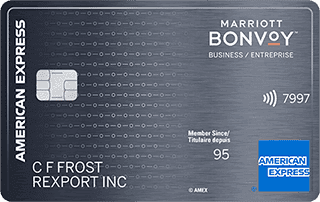
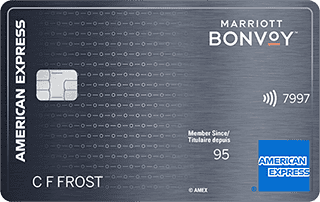
These cards earn transferable points that can be converted to Atmos Rewards.
Our Valuation
2.2 cents per point(CAD)
1.6 cents per point (USD)
Exceptional partner award charts – Cathay Pacific business class, JAL business class, and Emirates at rates that beat most competitors. Freely transferable with Hawaiian Miles after the 2024 merger, expanding your options further.
Last updated: February 9, 2026
Atmos Rewards, formerly Alaska Airlines Mileage Plan, is one of the most rewarding airline loyalty programs in the world. It combines generous fixed partner award charts, near-zero fuel surcharges, free stopovers, no change or cancellation fees, and an unmatched partner roster spanning oneworld, cross-alliance partnerships with Korean Air and Singapore Airlines, and non-alliance partners like Condor and Fiji Airways. For Canadians, Atmos unlocks business and first class cabins at prices that consistently undercut Aeroplan, Avios, and Asia Miles.
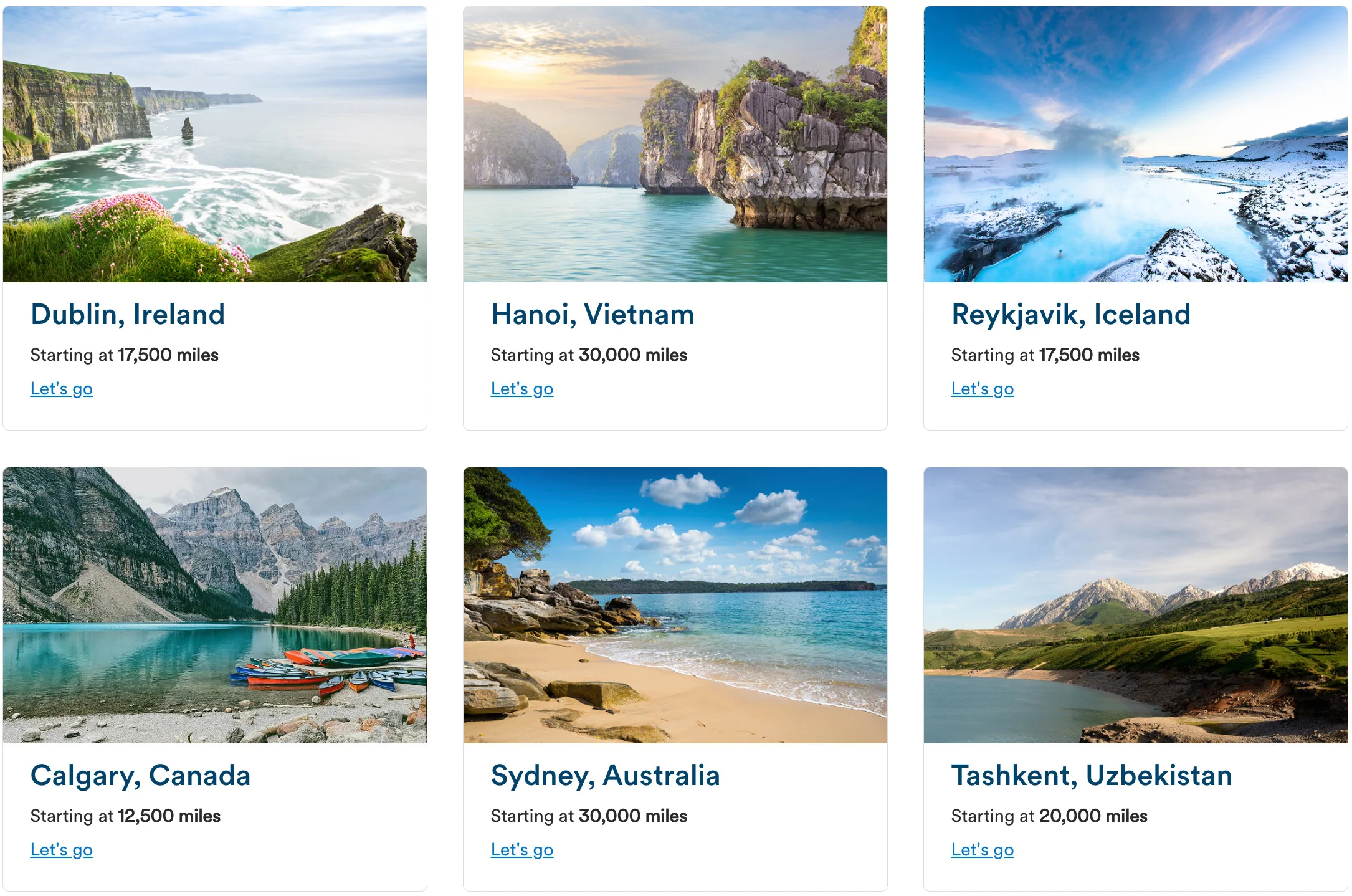
Alaska Airlines operates hubs in Seattle, Anchorage, Los Angeles, San Francisco, and Portland, flying directly to six Canadian cities. The September 2024 merger with Hawaiian Airlines added wide-body 787s and A330s, and Alaska is building Seattle into a global hub with service to Tokyo, Seoul, Sydney, Auckland, and beyond. Here's your complete guide.
In August 2025, Alaska Airlines Mileage Plan was rebranded to Atmos Rewards. The name is new, but the program's fundamental mechanics remain intact: the same award charts, the same partner airlines, and the same earning and redemption rules that made the program exceptional in the first place.
The more consequential change happened a year earlier. In September 2024, Alaska Airlines closed its merger with Hawaiian Airlines, creating a combined carrier that fundamentally expanded what the program can offer.
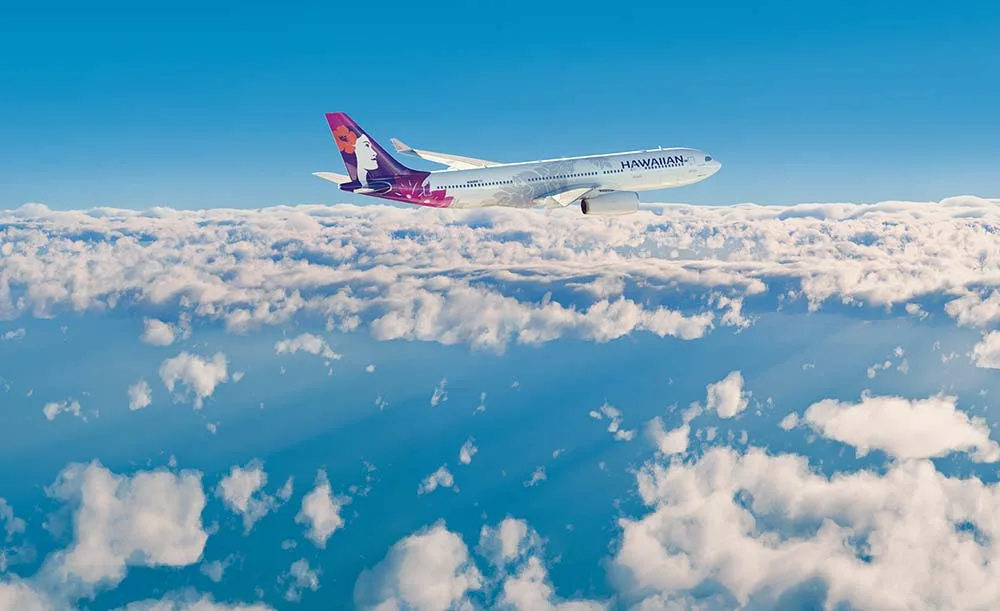
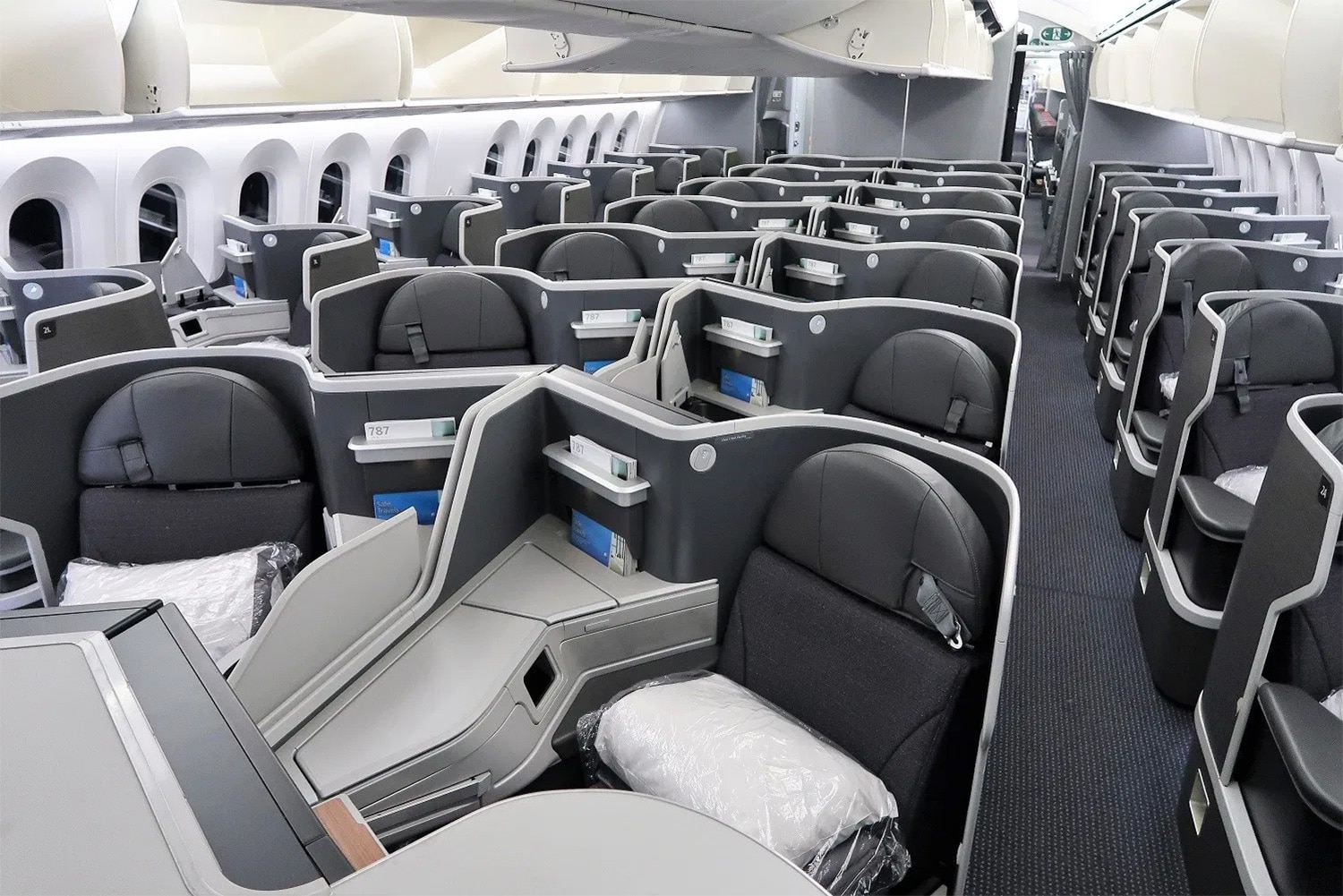
Hawaiian's fleet of Boeing 787 Dreamliners (featuring 1-2-1 business class) and Airbus A330s (with 2-2-2 business class) brought wide-body international flying capability to an airline that previously relied entirely on narrow-body 737s for its own metal.
Hawaiian's hub in Honolulu serves destinations that Alaska never previously reached on its own metal: Tokyo, Osaka, Seoul, Taipei, Sydney, Auckland, and major US cities like JFK, Boston, and Seattle.
As part of the merger, miles can be transferred 1:1 between Atmos Rewards and Hawaiian Miles in both directions, giving members access to Hawaiian's international network.
The US Department of Transportation imposed conditions on the merger to protect consumers: existing miles cannot expire, miles must remain transferable between the two programs, their value must be maintained, and status levels must match or increase.
The merger's most exciting implication for Canadians is Alaska's declared intention to build Seattle into a global hub. Wide-body service from Seattle to Tokyo and Seoul has launched using Hawaiian's aircraft, with at least ten additional long-haul routes planned by 2030.
Seattle is a short drive from Vancouver, and is directly served by flights from Victoria, Calgary, Edmonton, and Toronto. As Seattle's international network expands, Canadian travellers gain direct access to wide-body premium cabin service that was never previously available through Alaska Airlines.
Earning Atmos miles requires a different playbook than programs like Aeroplan. There is no Canadian co-branded credit card (the MBNA Alaska MasterCard was discontinued in fall 2023), and no Canadian transferable currency sends points directly to Atmos Rewards. That said, several reliable earning channels exist, and strategic use of them can build a meaningful balance over time.
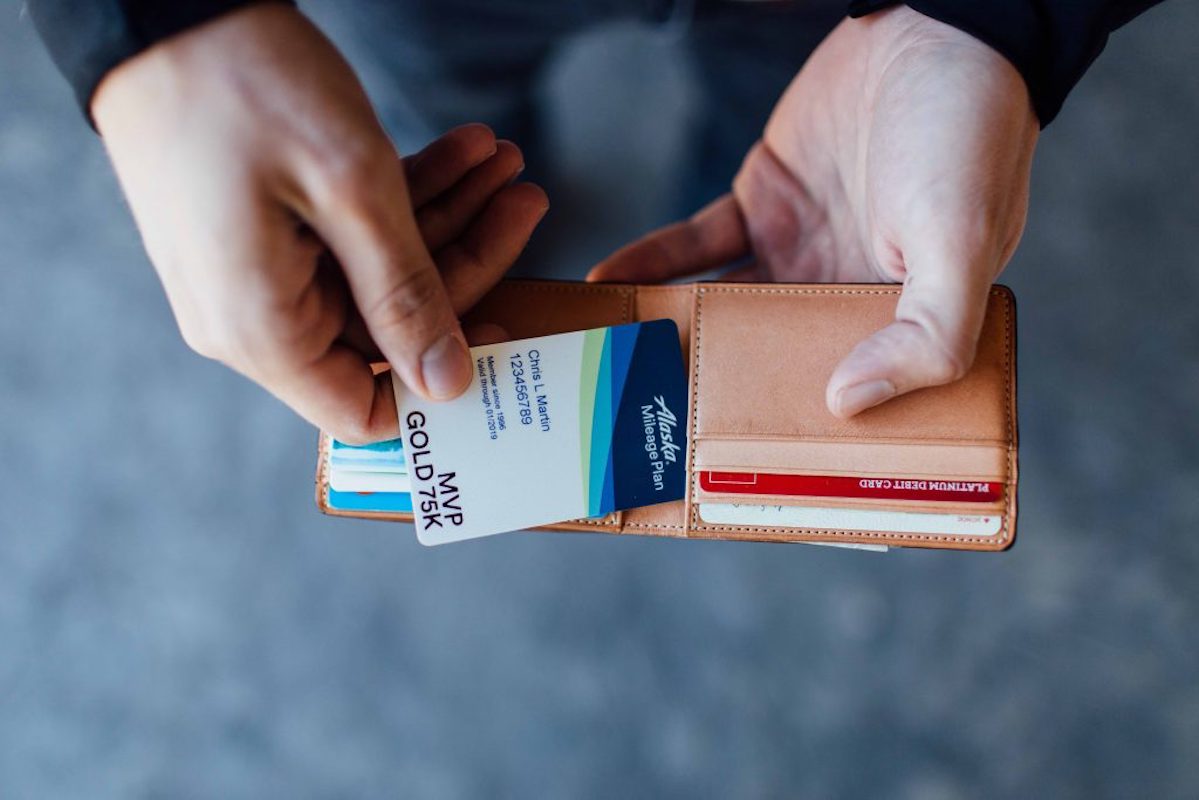
Bilt Rewards is the single most important transfer partner for Atmos Rewards. It is the only direct transferable currency in the United States that transfers to Atmos at a 1:1 ratio with instant transfer times.
No other major US bank program (Chase Ultimate Rewards, Amex Membership Rewards, Citi ThankYou, or Capital One) transfers to Atmos. Bilt 2.0 launched on February 7, 2026, with a new issuer (Cardless/Column N.A.) and a refreshed card lineup (Blue, Obsidian, and Palladium).
Canadians who hold or can obtain a US address may be able to access the Bilt ecosystem, making this a particularly valuable pathway for cross-border earners.
The Marriott Bonvoy transfer pathway is available to all Canadians who hold Amex Membership Rewards cards. The route is Canadian Amex MR to Marriott Bonvoy (1:1.2 ratio) to Atmos Rewards (3:1 with a 5,000-mile bonus per 60,000 Bonvoy points transferred).
In practice, 50,000 Canadian MR points become 60,000 Bonvoy points, which become 25,000 Atmos miles. The effective ratio of 1 Canadian MR = 0.5 Atmos miles is poor for routine use, but Atmos is one of the best Marriott transfer targets because it receives the 5,000-mile bonus per block of 60,000 that programs like American Airlines do not.
This pathway works best as a top-up: if you need 10,000 or 15,000 additional miles to reach an award threshold, Marriott transfers fill that gap. During periodic 30% Amex-to-Bonvoy transfer bonuses, the math improves to roughly 3.25 Atmos miles per dollar on Cobalt 5x category spending.
Three Bank of America co-branded cards and two Barclays Hawaiian Airlines co-branded cards provide direct earning. Canadians with US Individual Taxpayer Identification Numbers (ITINs) can apply for these cards.
The Bank of America Alaska Airlines Visa Signature card carries a US $95 annual fee, offers a sign-up bonus of 50,000 miles, earns 3x on Alaska Airlines purchases, and includes a $99 companion fare.
Critically, it also earns 1 Elite Qualifying Mile (EQM) per $3 spent, up to 30,000 EQM per year (this cap may be removed for 2026), which feeds directly into elite status qualification.
The Bank of America Alaska Airlines Business card has a US $75 annual fee and a 60,000-mile sign-up bonus, with the same EQM earning structure.
The Bank of America Alaska Airlines Summit card is the premium co-branded option at US $395 per year, with a 100,000-mile sign-up bonus, 4x on Alaska and partner airline purchases, and 1 status point per $2 spent. This card is designed for high spenders pursuing elite status through credit card activity.
The Barclays Hawaiian Airlines World Elite Mastercard (US $99 annual fee, approximately 70,000-mile sign-up bonus) provides another avenue. Barclays has confirmed ITIN acceptance for the personal card, though the business card is less certain.
Alaska Airlines periodically runs promotions offering 30% to 50% bonus miles on purchased miles, bringing the effective cost to approximately US $0.017 to $0.020 per mile (inclusive of the mandatory 7.5% tax that applies to all purchases regardless of billing address).
At those rates, purchasing the 75,000 miles needed for Cathay Pacific business class to Hong Kong costs roughly US $1,275 to $1,500, compared to cash fares of $4,000 to $8,000 or more. Buying miles during bonus promotions is one of the most direct and accessible earning methods for Canadians.
Flying on Alaska Airlines and partner airlines credits miles based on distance flown. On Alaska-operated flights, the base rate is 100% of miles flown, with premium fare classes earning up to 200%.
Crediting partner flights to Atmos Rewards earns a minimum of 100% of distance flown on most fare classes, excluding the lowest economy fares. Additional earning opportunities include the Atmos Rewards shopping portal (1 to 8 miles per dollar at thousands of US retailers), the dining program (up to 5 miles per dollar at participating US restaurants), Lyft rides, rental car agencies including Hertz and all major brands, and hotel stay bonuses through Marriott Bonvoy, Best Western, Choice Hotels, IHG, and Rocketmiles. Members also earn a bonus 1,000 EQM for every 3,000 points earned through shopping, dining, and car rental partners.
The breadth of Atmos Rewards' airline partner network is one of the program's greatest strengths. With over 20 bookable partner airlines spanning oneworld, two cross-alliance partnerships, and a collection of unique non-alliance partners, Atmos Rewards can reach virtually every corner of the globe.
Alaska Airlines joined oneworld in March 2021, opening access to the full alliance. The key partners for Canadians include American Airlines (essential for short-haul Canada-US routes and South America), Cathay Pacific (the crown jewel for Asia via Hong Kong), Japan Airlines (outstanding for Japan and onward connections), Finnair (useful for Northern Europe with a Helsinki stopover), Qantas (Australia and the South Pacific), and Royal Air Maroc (direct service from Montreal and Toronto to Casablanca).
Other oneworld partners include British Airways, Iberia, Malaysian Airlines, Royal Jordanian, SriLankan Airlines, and Oman Air (which is joining oneworld and is already bookable through Atmos). Fiji Airways participates as a oneworld Connect partner.
One important caveat: British Airways passes through approximately US $1,000 in fuel surcharges on transatlantic awards booked via Atmos Rewards. This makes BA metal a poor choice for transatlantic business class, even though the award price itself (45,000 miles) is competitive.
The solution is to book American Airlines metal on the same routes for identical mileage pricing with only approximately $80 in taxes and fees.
Two of Atmos Rewards' most distinctive partnerships reach outside the oneworld alliance entirely. Korean Air, a SkyTeam member, is bookable through Atmos at 37,500 miles for economy or 75,000 miles for business class from Vancouver to Seoul.
No other oneworld loyalty program can book Korean Air awards. Singapore Airlines, a Star Alliance member, is also bookable, though availability is subject to heavy dynamic pricing and is generally better accessed through KrisFlyer directly.
The non-alliance partner list is where Atmos Rewards truly differentiates itself. Condor offers business class from Halifax to Frankfurt for 45,000 miles with only $74 in fees, and from Toronto for 55,000 miles.
Air Tahiti Nui flies Seattle to Tahiti for 60,000 miles in business class with only $19 in fees. Aer Lingus provides a low-surcharge alternative to British Airways for reaching Dublin and London.
Icelandair's business class product is priced as premium economy (since the seats are not lie-flat), creating a value opportunity. LATAM covers South America beyond American Airlines' network. El Al, Hainan Airlines, and Starlux round out the roster, though Starlux is subject to heavy dynamic pricing.
Atmos Rewards uses four distance-based award charts with dynamic pricing and saver floor prices. All published prices are "starting at" rates, meaning that actual availability may price above saver level.
The charts cover Alaska metal (North America), Americas partners, Europe/Middle East/Africa partners, and Asia-Pacific partners. One of the program's defining features is near-zero fuel surcharges on virtually all partner awards.
Government taxes and airport fees are typically US $5 to $30 departing from the United States and $30 to $80 departing from Canada.
The Americas chart covers partner awards within North and South America, primarily on American Airlines and LATAM. Short-haul routes under 700 miles start at just 4,500 miles in economy and 9,000 in business or domestic first.
This means Toronto to Chicago on AA costs 4,500 miles one-way in economy, and Toronto to Charlotte costs 9,000 miles in domestic first class. These are some of the cheapest cross-border award flights available through any program.
South America is where the Americas chart truly shines. Business class from JFK to Lima on American Airlines starts at 35,000 miles, and Toronto to Buenos Aires on AA metal costs approximately 50,000 miles.
These prices dramatically undercut Aeroplan's dynamic pricing for comparable routes, which frequently exceeds 70,000 to 100,000 points. Combined with minimal surcharges on AA metal, Atmos Rewards is the best program for reaching South America in a premium cabin from North America.
The transatlantic chart is organized into distance bands. The sweet spot is the 1,501 to 3,500-mile band, which prices business class at 45,000 miles. This captures East Coast departures to Western Europe, including two standout routes for Canadians.
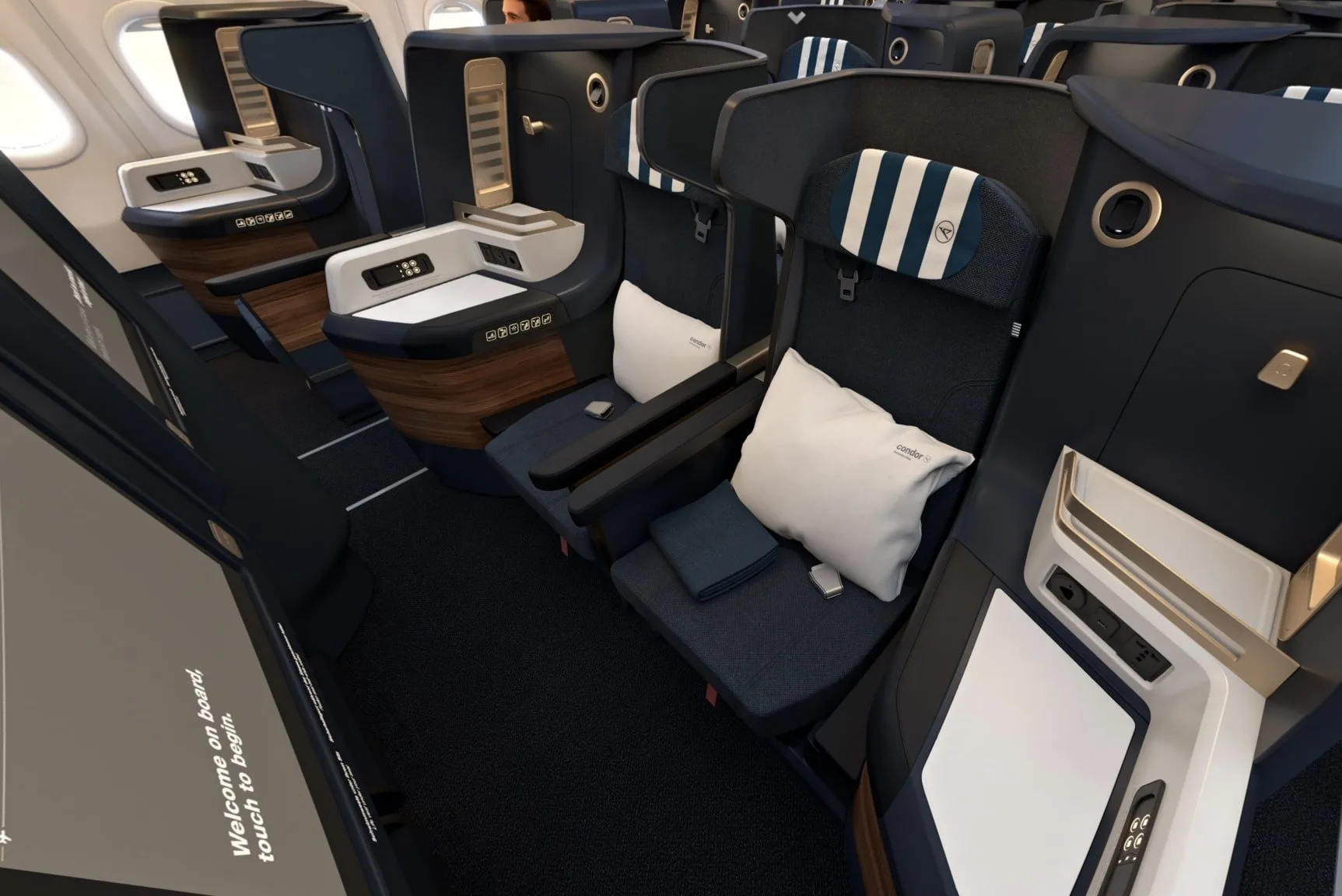
Condor flies direct from Halifax to Frankfurt, pricing at 45,000 miles in business class with only $74 in fees. Condor's A330neo product features reverse herringbone lie-flat seats and modern amenities, with a "business plus" tier in the front row offering pajamas and extra-large footwells.
Toronto to Frankfurt on Condor falls into the 3,501 to 5,000-mile band at 55,000 miles. For context, Aeroplan charges 70,000 points or more for comparable transatlantic business class routes.
Royal Air Maroc flies direct from Montreal to Casablanca for 45,000 miles in business class, and has added Toronto service. At half the Aeroplan cost for similar routings, this is one of the best-value transatlantic awards available to Canadians.
Aer Lingus from Toronto to Dublin (and onward to London via connecting flight) also prices at 45,000 miles with low surcharges, providing a smart alternative to British Airways' surcharge-heavy transatlantic offerings.
Short-haul flights under 1,500 miles within the Middle East and South Asia recently improved to 15,000 miles in business class. This is useful for positioning within the region after arriving on a long-haul award, using carriers like Oman Air, Qatar Airways, or Royal Jordanian.
The Asia-Pacific chart is where Atmos Rewards delivers some of its most aspirational redemptions. Cathay Pacific business class from any North American city to Hong Kong is priced at 75,000 miles with zero fuel surcharges (in the 5,001-7,000 mile distance band).
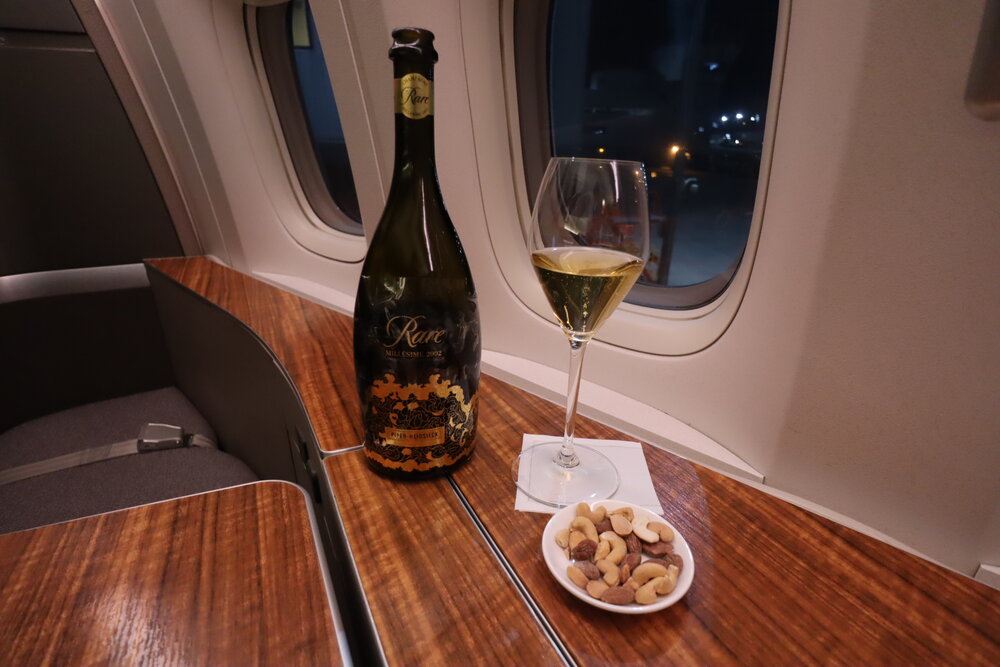
CX First Class, when available, prices at 110,000 miles (though availability has become essentially nonexistent). At 75,000 miles for business with around $30 to $60 in taxes, Atmos beats Aeroplan (75,000 from the West Coast, more from the East Coast), Asia Miles (88,000 after recent devaluation plus $100 to $250 in surcharges), and BA Avios (108,250 plus $300 to $500 in surcharges).
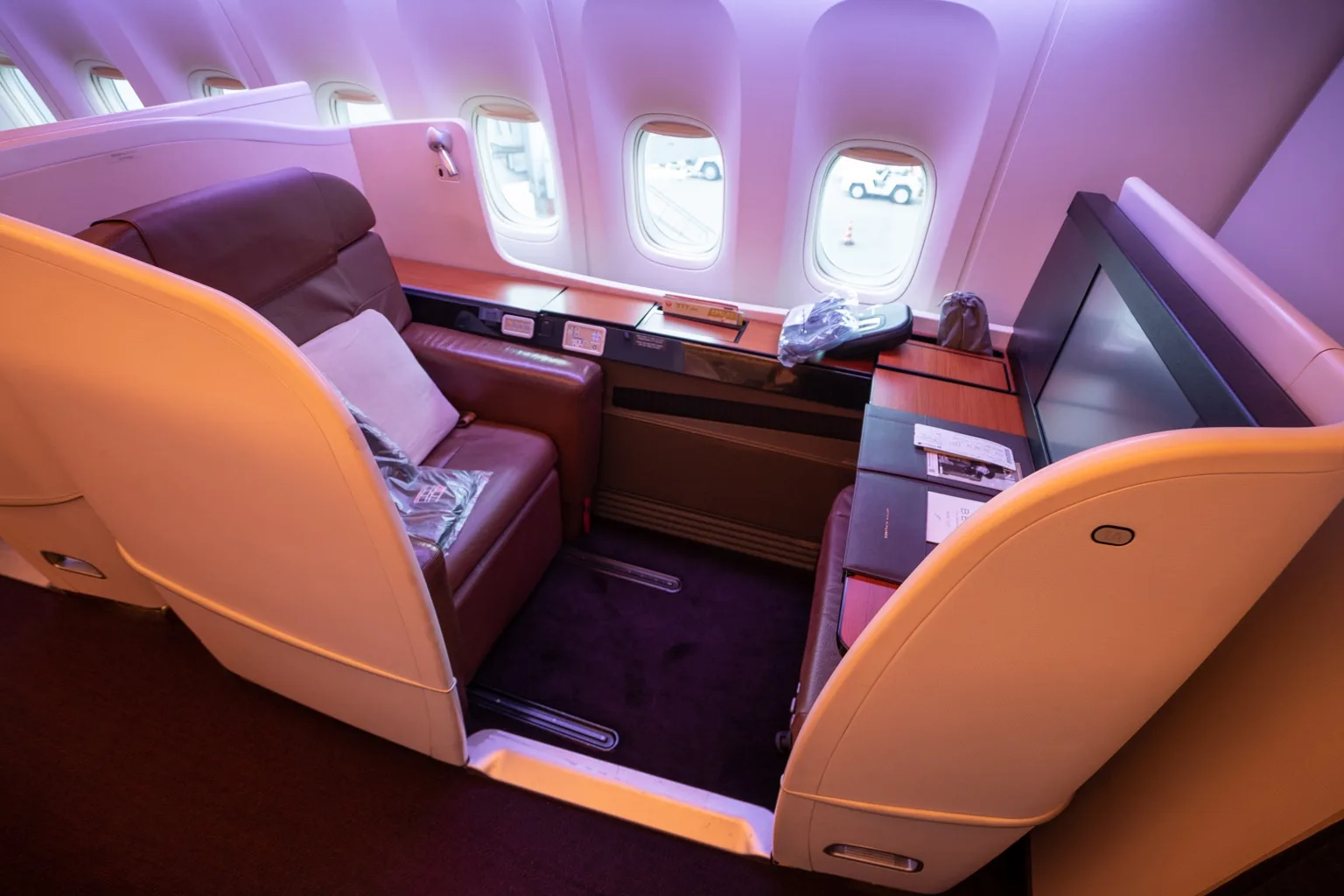
Japan Airlines First Class is perhaps the single most aspirational sweet spot in the program. JAL's private first class suites, kaiseki dining, Dom Perignon, and legendary Japanese hospitality are available for 90,000 miles one-way from the West Coast (3,001-5,000 mile band) with zero surcharges.
Cash tickets for this product run $10,000 to $20,000 or more. After Japan Airlines' Mileage Bank devaluation, JMB itself charges 110,000 to 140,000 miles for the same product. JAL business class from North America to Tokyo prices at 60,000 miles.
Korean Air from Vancouver to Seoul costs 37,500 miles in economy or 75,000 in business. This cross-alliance partnership is unique to Atmos and unavailable through any other oneworld program.
Fiji Airways from Vancouver to Nadi costs 75,000 miles in business with only $56 in fees on Fiji's A350, and 55,000 miles from US gateways. Air Tahiti Nui from Seattle to Papeete costs 60,000 miles in business with only $19 in fees.
Qantas from Los Angeles to Sydney prices at 85,000 miles in business (7,001-10,000 mile band) with near-zero surcharges, compared to 72,000 to 96,000 via Qantas Frequent Flyer plus $200 to $600 in surcharges.
Hainan Airlines offers lie-flat business class from Seattle to Beijing or Shanghai at competitive rates within the Asia-Pacific distance bands, providing an alternative route to mainland China.
Flights operated by Alaska Airlines within North America follow a separate chart. Short-haul routes under 700 miles start at 5,000 miles in economy and 15,000 in first class.
A notable sweet spot: the 701 to 1,400-mile and 1,401 to 2,100-mile bands have the same business/first class saver price of 25,000 miles, meaning medium-haul routes across a wide distance range carry the same premium cabin cost. Transcontinental flights over 2,100 miles start at 25,000 economy and 30,000 business/first.
Not all Atmos partner awards are created equal. British Airways passes through approximately $1,000 in surcharges on transatlantic awards (book AA metal instead for the same price with ~$80 fees).
Qatar Airways mostly releases Flexi-priced space to Atmos at 150,000 miles for business, making saver awards at 85,000 rare (use Qatar Privilege Club Avios or Aeroplan instead for Qsuites). Starlux and Singapore Airlines both exhibit heavy dynamic pricing that can push costs well above saver levels.
Routing to New Zealand via Qantas through Australia can push the distance into the highest band at 130,000 miles. And Cathay Pacific First Class availability has become essentially nonexistent.
Atmos Rewards offers several booking features that add flexibility and value to every award ticket. The program's award search calendar on the Atmos Rewards website allows members to view an entire month of availability at a time, filtered by class of service, making it easy to find saver-level awards.
American Airlines' calendar is also useful for searching oneworld partner availability (though it does not show non-alliance partners). Third-party tools like seats.aero provide additional monitoring capabilities.
One of the program's most distinctive features is the free stopover on one-way international awards. On any international one-way itinerary, members can add a stopover of up to 14 days at a partner airline's hub city at no additional cost.
London on British Airways, Tokyo on Japan Airlines, Helsinki on Finnair, Doha on Qatar Airways — all are available as free stopovers. On a round-trip (booked as two one-ways), this means two stopovers are possible.
The stopover must be booked using the multi-city search tool online, and multi-airport stopovers are permitted (for example, arriving at Narita and departing from Haneda).
This feature pairs particularly well with Fiji Airways: book a round-trip from Los Angeles to Auckland via Fiji, stop for a week in Nadi on the outbound, and enjoy two Pacific destinations for a single award price.
Atmos Rewards charges no change, redeposit, or cancellation fees on award tickets. All taxes paid are fully refundable.
The only nonrefundable components are the $15 phone booking fee and the flat $12.50 partner award fee per person per direction, if applicable. This flexibility is exceptional among airline programs and removes the risk from speculative bookings. If plans change or a better award opens up, members can cancel and rebook without penalty.
The booking window opens at 330 days in advance, which is shorter than competitors like British Airways Avios (355 days), Asia Miles (360+ days), and Japan Airlines Mileage Bank (360 days).
On high-demand routes like Qatar Qsuites or Cathay Pacific business class, this means that award seats may already be claimed by programs with earlier booking access.
The current routing rule allows Alaska Airlines metal plus one partner airline per one-way itinerary. Multi-carrier partner awards (combining two or more partners without Alaska metal) were promised but have not been confirmed as available.
Redemptions are now permitted between any region pair, meaning Europe-to-Asia bookings and other cross-regional awards are possible, removing a previous North America-centric restriction.
Atmos Rewards' elite status program is among the most attainable and rewarding in the airline industry, particularly for Canadians who cannot easily earn status with US domestic carriers.
The post-rebrand program features four tiers. Atmos Silver requires 20,000 Elite Qualifying Miles (EQM) and matches to oneworld Ruby.
Atmos Gold requires 40,000 EQM and matches to oneworld Sapphire, which grants access to oneworld business class lounges worldwide including Alaska Lounges.
Atmos Platinum requires 80,000 EQM and matches to oneworld Emerald, unlocking first class lounges globally, including the Cathay Pacific First lounge in Hong Kong, the Qantas First lounge in Sydney, the JAL First Class Lounge in Tokyo Narita, and the BA Galleries First in London Heathrow.
Atmos Titanium requires 135,000 EQM and also matches to oneworld Emerald, with additional benefits including guest upgrades and a dedicated support line.
Three features make Atmos Rewards status qualification fundamentally different from competing programs.
First, there's no revenue requirement. Unlike Air Canada's Aeroplan, which requires Status Qualifying Dollars (SQD) alongside Status Qualifying Miles, Atmos status is earned purely through distance flown.
This removes the barrier that prevents many Canadian travellers from qualifying for status when they book discounted fares or position through cheaper routings.
Second, award flights earn 100% of distance flown toward status. This is nearly unique in the airline industry.
A round-trip award ticket from Vancouver to Hong Kong on Cathay Pacific earns approximately 12,000 EQM toward Atmos status. A couple of international round-trips in a year, booked with miles, can contribute substantially toward qualification thresholds.
This is analogous to hotel programs where award nights count toward elite status, and it makes Atmos status far more accessible to points-savvy travellers.
Third, co-branded credit card spending earns EQM: 1 EQM per $3 spent, up to 30,000 EQM per year ($90,000 in annual spending hits the cap, though this cap may be removed for 2026). Combined with actual flying and the bonus of 1,000 EQM for every 3,000 points earned through partner activities, the path to oneworld Sapphire or even Emerald becomes realistic for dedicated travellers.
Several updates took effect for the 2026 qualification year. Members can now choose how to earn status: by distance flown, price paid, or segments flown, giving flexibility to different travel patterns.
Free Starlink Wi-Fi is rolling out for all Atmos members across the Alaska Airlines fleet. The Atmos Platinum threshold increased 7% to 80,000 points, and the Atmos Titanium threshold increased 35% to 135,000 points, reflecting the program's growing membership base.
As members accumulate EQM throughout the year, they unlock milestone rewards at various thresholds: bonus miles, free meals, Wi-Fi passes, MVP status for a single trip, companion upgrades, and lounge passes.
These rewards add incremental value beyond the core elite benefits and recognize flying activity even before a full tier qualification is reached.
Atmos Rewards is not the easiest program for Canadians to earn into, but its redemption value makes it worth the effort for specific use cases. Here is how to approach the program strategically from a Canadian perspective.
The most efficient Canadian earning path depends on whether you have access to US financial products. If you hold or can obtain a US credit card, the Bank of America Alaska Airlines Visa Signature (ITIN accepted) provides 50,000 miles on sign-up, ongoing 3x earning on Alaska purchases, EQM earning toward status, and a $99 companion fare.
If Canadians are able to access the Atmos Summit Visa ($395/year), the card's foreign transaction bonus points could be particularly interesting, since Canadian residents naturally incur a high proportion of USD foreign transactions on a US-issued card.
Bilt Rewards, if accessible, provides the only 1:1 transfer path and should be the primary accumulation vehicle. If you are limited to Canadian products, use the Marriott Bonvoy transfer as a top-up mechanism rather than a primary earning method: the 1:0.5 effective ratio is only worthwhile when you need a specific number of miles to reach an award threshold.
Buying miles during 30% to 50% bonus promotions is a practical option for Canadians who want Atmos miles without US credit card access.
Six Canadian cities have direct Alaska Airlines service: Vancouver, Victoria, Kelowna, Calgary, Edmonton, and Toronto. Vancouver is particularly well-positioned, sitting just a few hours' drive from Seattle, which is rapidly becoming a global hub with wide-body service to Asia and beyond.
For Canadians elsewhere, positioning through Seattle, Los Angeles, San Francisco, or JFK provides access to the full partner network.
Atmos Rewards offers decisively better value than Aeroplan on several key routes. South America on American Airlines (35,000 to 50,000 miles versus Aeroplan's 70,000 to 100,000+ dynamic pricing), Condor to Europe from Halifax or Toronto (45,000 to 55,000 miles versus Aeroplan's 70,000+), Royal Air Maroc from Montreal to Casablanca (45,000 miles versus 70,000 to 90,000 on Aeroplan), Fiji Airways from Vancouver (75,000 miles with $56 fees), and Air Tahiti Nui from Seattle (60,000 miles with $19 fees) are all routes where Atmos delivers 30% to 50% savings.
For Cathay Pacific business class to Hong Kong, Atmos prices at 75,000 regardless of departure city, which beats Aeroplan's pricing from Eastern Canadian cities.
Award tickets originating in Canada incur higher government taxes and airport fees than those departing from the United States. A US-departing award might carry $5.60 in total fees, while the same award departing from a Canadian airport could be $30 to $80.
Where practical, originating award itineraries from US airports (Seattle for West Coast travellers, or using an AA positioning flight from a US gateway) reduces out-of-pocket costs.
Atmos miles do not expire, a protection enshrined as a condition of the DOT-approved Hawaiian Airlines merger. Accounts can go dormant after approximately two years of inactivity, but dormant accounts can be reactivated without losing miles. This makes Atmos Rewards a safe long-term accumulation target, even if redemption opportunities are infrequent.
Atmos Rewards occupies a unique position in the loyalty landscape. Its combination of fixed partner charts, near-zero surcharges, free stopovers, flexible cancellation, and a partner network that reaches beyond oneworld into SkyTeam (Korean Air), Star Alliance (Singapore Airlines), and unaligned carriers (Condor, Fiji Airways, Air Tahiti Nui, Icelandair) gives it redemption sweet spots that no other single program can match.
The Hawaiian Airlines merger and Seattle's expansion into a global hub are transforming what was once a regional West Coast program into a genuine international contender.
For Canadians, the earning side requires creative approaches: US co-branded cards for those with ITINs, Bilt Rewards for those with US addresses, Marriott Bonvoy transfers as a top-up, and buying miles during promotions.
But the effort is absolutely worthwhile. When 90,000 Atmos miles gets you into Japan Airlines First Class with zero surcharges, when 45,000 miles flies you business class from Halifax to Frankfurt on Condor for just $74 in fees, and when 35,000 miles puts you in an American Airlines lie-flat seat to Lima, the value speaks for itself. This is one of those programs that rewards those who take the time to learn it, and we think it's one of the best in the world.
First-year value
$336
Monthly fee: $15.99
• Earn 1,250 points per month upon spending $750 per month for 12 months
Earning rates
Key perks
Monthly fee: $15.99
• Earn 1,250 points per month upon spending $750 per month for 12 months
Earning rates
Key perks