
Star Alliance to Open Its Own Lounge at Incheon as Asiana Departs

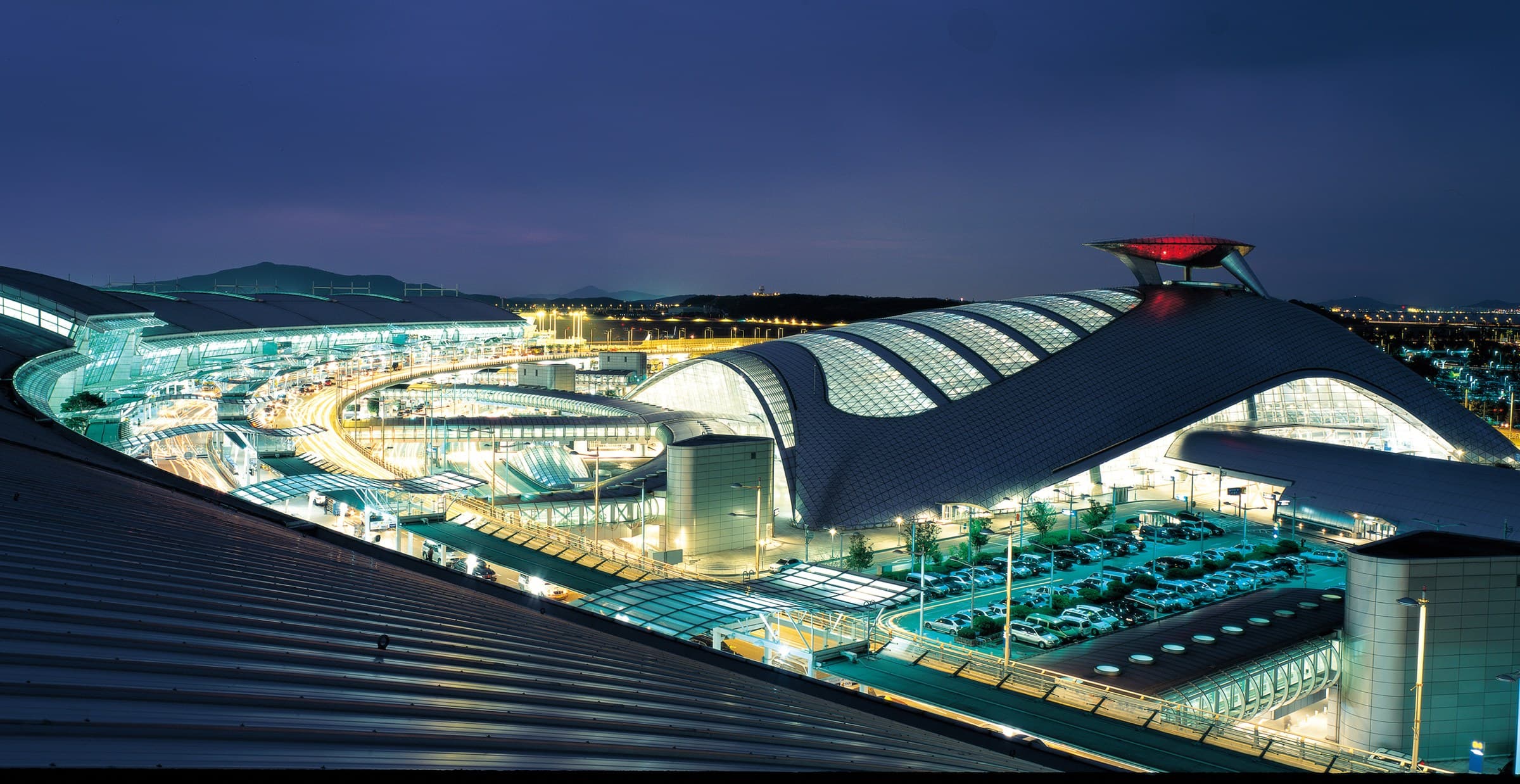
Star Alliance expects to open its first branded lounge at Seoul Incheon (ICN) in the fourth quarter of 2026, taking over Asiana Airlines’ Business Lounge West as the Korean carrier prepares to leave the alliance.
Separately, Korea’s Fair Trade Commission approved Korean Air’s Asiana Club mileage integration plan on September 15, 2026, Korea time. Existing miles will sit in a separate balance for 10 years, with members choosing when to convert them into Korean Air SKYPASS.
The short version is that lounge access gets some continuity, and Asiana Club members get a defined path forward. Neither announcement extends the time Canadians have to earn or redeem Aeroplan points on Asiana Airlines.
Asiana’s West Lounge Gets a Star Alliance Successor
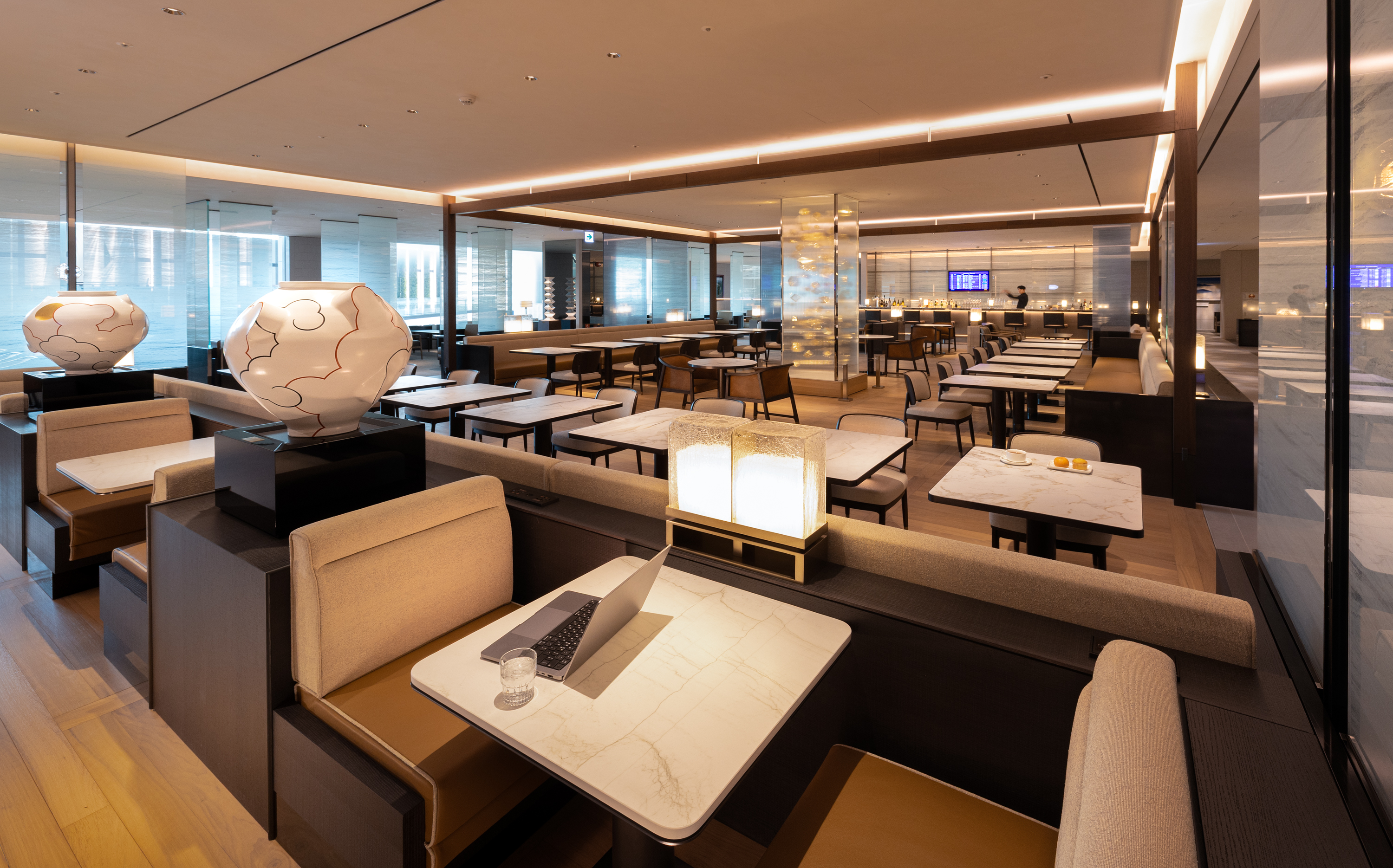
Under a memorandum of understanding signed with Incheon International Airport Corporation on September 8, 2026, Star Alliance will convert the existing West lounge in Terminal 1. It sits on the fourth floor near Gate 42 and currently opens daily from 6am to 12:30am.
Asiana Airlines leaves Star Alliance at 11:59pm Korea time on December 16, 2026. Its brand disappears the following day when it is absorbed into Korean Air, a SkyTeam member, bringing the merger that has been six years in the making to its conclusion.
| Date | Change at Incheon or for Points Collectors |
|---|---|
| October 1, 2026 | Asiana Airlines’ Business Lounge East closes. Central and West remain available during the transition. |
| October 15, 2026 | Last day to earn Aeroplan points or other Star Alliance miles on Asiana Airlines flights. |
| Fourth quarter of 2026 | Expected opening period for the Star Alliance branded lounge in the existing West lounge. |
| December 16, 2026 | Last day to book and fly Asiana Airlines awards with Aeroplan points. |
| December 17, 2026 | Asiana Airlines is absorbed into Korean Air. New mileage earning goes into Korean Air SKYPASS. |
Access will cover business class and first class passengers on Star Alliance flights, along with Star Alliance Gold members bringing one guest. That preserves an alliance lounge option for eligible passengers after Asiana Airlines exits.
Ambar Franco, Star Alliance’s vice president of customer experience, says Incheon “remains an important gateway for the alliance” and describes the aim as keeping “a consistent passenger experience through the coming membership change.” Incheon International Airport Corporation’s chief operating officer, Kim Chang-gyu, says the airport will support the operational and facility requirements as Terminal 1’s airline arrangements evolve.
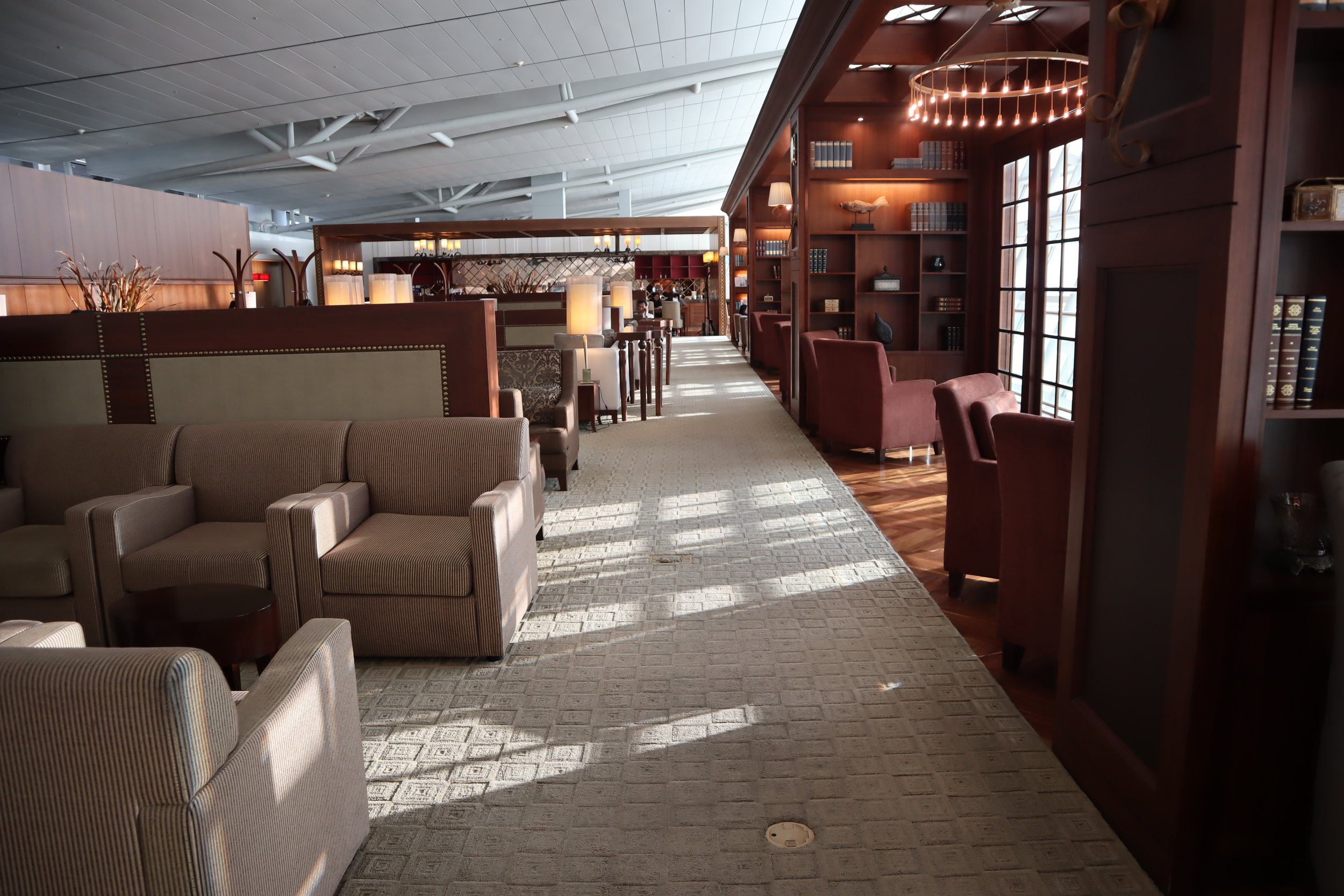
Details about size, design, and dining haven’t been announced, and neither has Priority Pass participation. Given that this lounge inherits an existing floor plan, I’d expect a rebrand before December, with any renovation coming later, although that sequence remains an expectation rather than a confirmed schedule.
Terminal 1 Loses the East Lounge in October
Asiana Airlines moved all its flights to Terminal 2 on January 14, 2026, alongside Korean Air, but kept its Terminal 1 lounges open for partner passengers. Every other Star Alliance airline at Incheon uses Terminal 1, so those rooms still serve the alliance’s remaining flights.
From October 1, passengers who would have used Business Lounge East will be redirected to Central or West. Central is on the fourth floor near Gate 26 and opens from 6am to 10pm, while West’s longer hours run until 12:30am.
Both admit Star Alliance business class passengers, Star Alliance Gold members with a guest, and Priority Pass cardholders through the transition. Central’s future after December hasn’t been announced, so the West conversion is the only confirmed longer-term plan for these Asiana Airlines lounges.
Singapore Airlines’ SilverKris Lounge also remains available on the fourth floor of Terminal 1, with access for Star Alliance Gold members and premium cabin passengers on any Star Alliance flight. It’s generally considered the nicer room, although its hours follow Singapore Airlines departures in three blocks, roughly 6am to 12pm, 2pm to 4:30pm, and 8pm to 11pm.
Incheon Gets a Response Scandinavia Never Did
For an alliance founded in 1997, a seventh branded lounge is a surprisingly small tally. Star Alliance normally relies on member airline facilities and contract lounges across a network of more than 1,000 lounges worldwide.
Its existing branded locations are Los Angeles (LAX), Amsterdam (AMS), Paris (CDG), Buenos Aires (EZE), Rio de Janeiro (GIG), and Guangzhou (CAN). Paris and Los Angeles were purpose-built, which is another reason to keep expectations for the inherited Incheon space in check.
Scandinavian Airlines’ move to SkyTeam in 2024 offers the useful comparison. Star Alliance passengers in Copenhagen (CPH), Stockholm (ARN), and Oslo (OSL) were left with whatever contract lounges could be arranged, and no branded replacement was built.
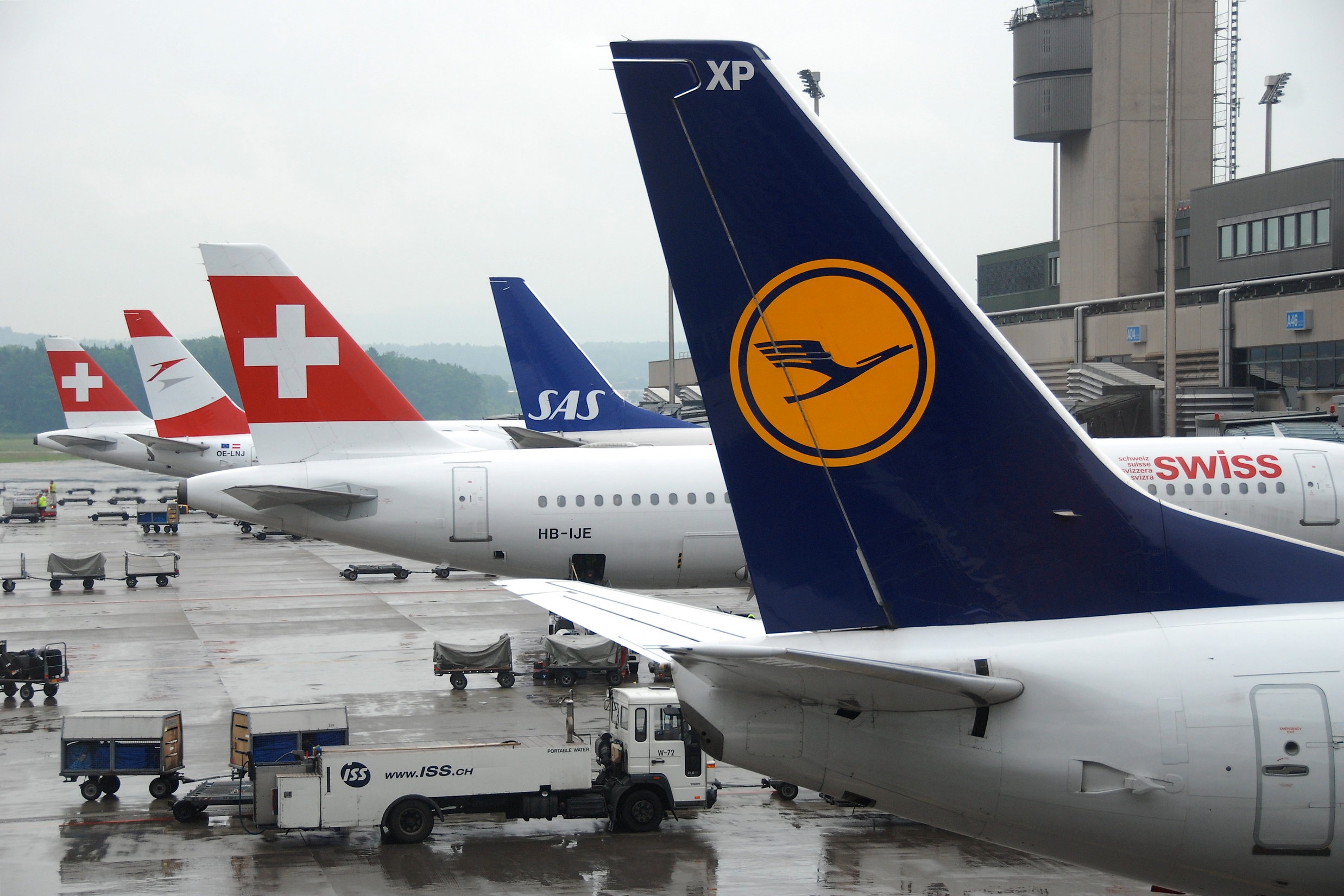
Incheon has scale on its side. Even after Asiana Airlines leaves, 14 Star Alliance airlines will connect the airport with 29 destinations, while its 38.39 million international passengers in the first half of 2026 put it first worldwide on provisional ACI figures.
Credit where it’s due, Star Alliance is putting a successor in place before its local member disappears. My honest take is that the value here rests in having an alliance lounge passengers can keep using, even if the first version looks familiar.
Korean Air’s Seven Lounges Stay Across in Terminal 2
Korean Air has already finished the more ambitious lounge project across in Terminal 2. Its 42-month overhaul concluded in April 2026, leaving seven lounges with total floor space expanded from 5,105 to 12,270 square metres and seating increased from 898 to 1,566.
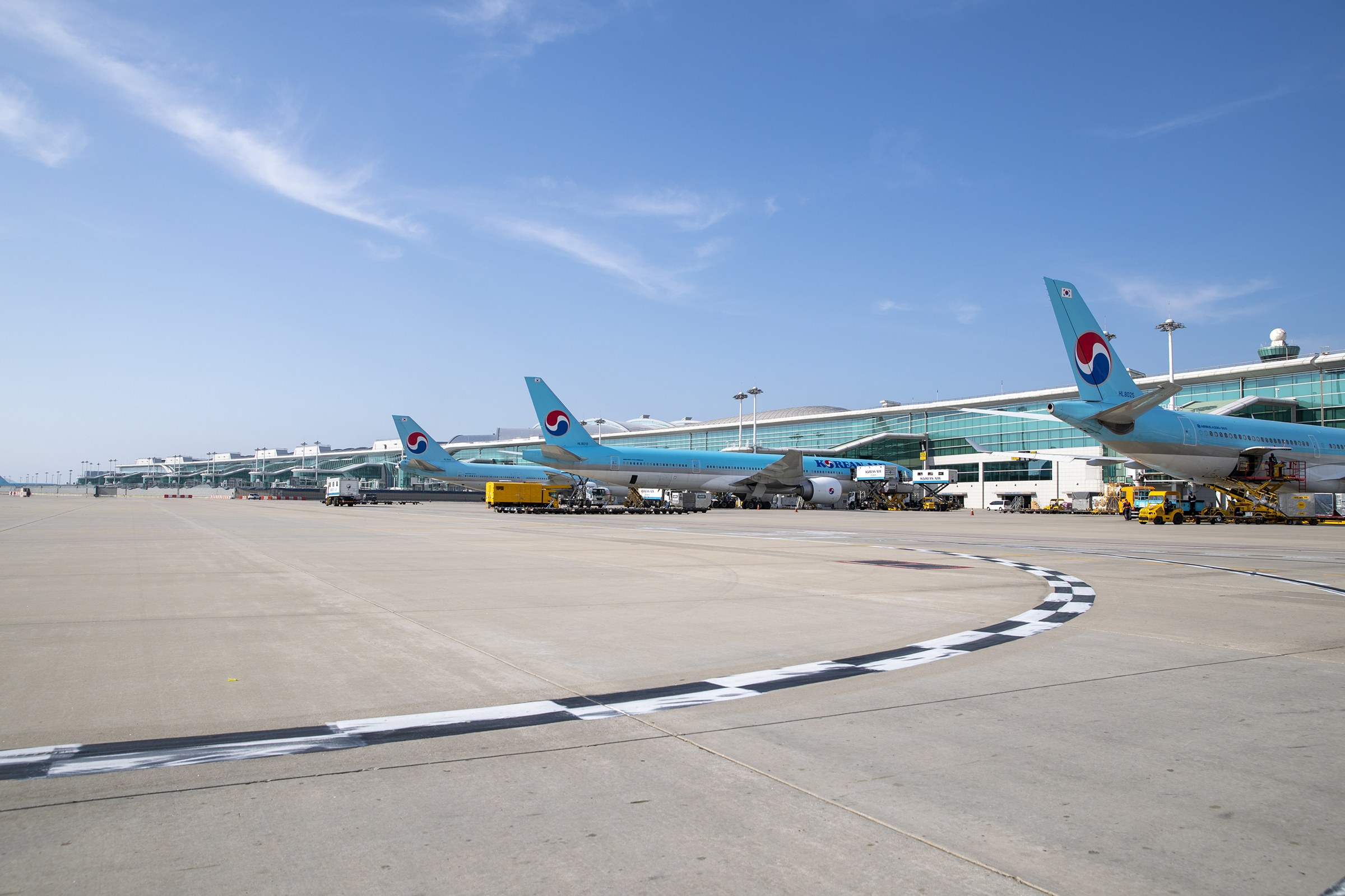
Our April look at Korean Air’s new lounges covered the First Class Lounge’s 11 private suites and the Prestige Class West Lounge. The latter spans 2,615 square metres with more than 420 seats, making it Incheon’s largest individual lounge.
Those facilities serve Korean Air business class passengers and SkyTeam Elite Plus members flying a SkyTeam carrier, with the First Class Lounge reserved for Korean Air first class. Asiana Airlines’ premium passengers will use them from December 17, but Star Alliance passengers don’t get access.
To be fair to Korean Air, the investment is substantial. For an Air Canada passenger, though, those extra seats sit on the other side of the alliance divide, which is why retaining a lounge in Terminal 1 matters.
Asiana Club Miles Get a Separate 10-Year Balance
Approval of the mileage plan follows a 15-month review after Korean Air submitted it on June 12, 2025. The regulator sent two earlier versions back, and the approved structure matches the September 2025 outline with added commitments.
On December 17, 2026, existing Asiana Club miles move into the member’s Korean Air account as a separate balance, while all newly earned miles go into Korean Air SKYPASS. Members can retain the former Asiana Club balance for 10 years and redeem under its existing award chart and expiry rules.
Alternatively, members can convert the entire balance at once during that window. Flying miles convert one for one, while each mile earned through credit cards or other partners becomes 0.82 Korean Air SKYPASS miles. Anything left unconverted after 10 years converts automatically at those ratios.
Keeping miles separate still gives members Korean Air redemption options. Asiana Airlines’ integration guide permits economy and Prestige Class award tickets, upgrade awards, cash-and-miles, and Mileage Mall purchases, but excludes first class award tickets using unconverted miles.
Crucially, the 10-year separate balance doesn’t replace the existing expiry rules. I’d compare an actual redemption under each program before converting, particularly with partner-earned miles, where the conversion reduces the number of miles available.
Korean Air must maintain long-haul award and upgrade seat supply across the Americas, Europe, and Oceania at or above the combined carriers’ 2023 peak level for 10 years. Mileage redemption targets rise 6% above the 2025 baseline through 2028, 12% above in 2029, and 21% above from 2030 through 2036.
Those commitments give the preservation window more substance, although aggregate seat supply doesn’t promise availability on the flight you want. Korean Air says it plans to manage mileage usage at roughly 20% above the programs’ combined annual pre-merger total.
Elite status also carries over automatically. Asiana Club Diamond Plus and Platinum members move into Korean Air SKYPASS Morning Calm Select, a new tier with SkyTeam Elite Plus benefits, while lower tiers map to their Korean Air SKYPASS equivalents.
Air Canada Passengers Keep a Terminal 1 Lounge Option
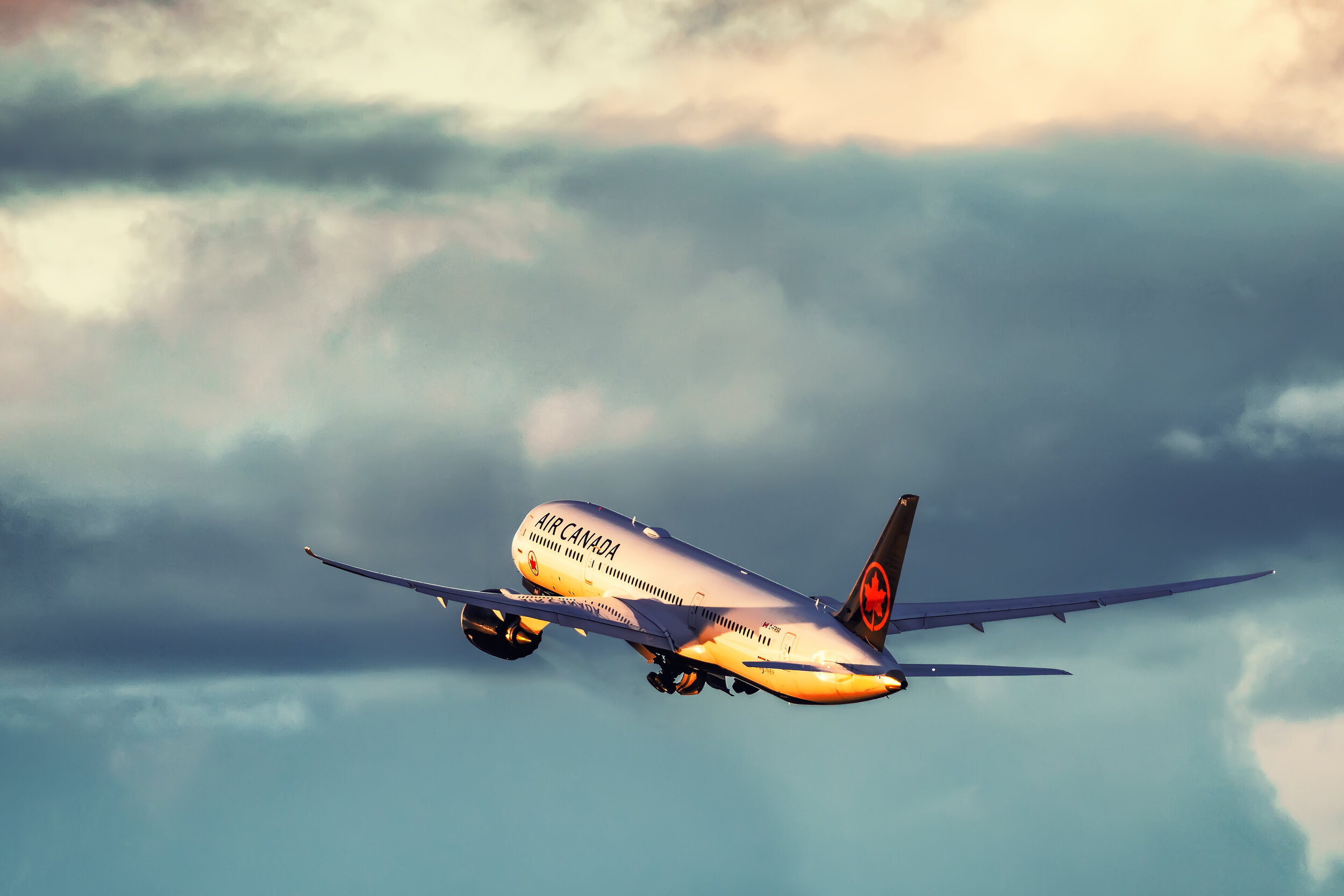
Air Canada flies nonstop to Incheon daily from Vancouver (YVR) and Toronto (YYZ), and a few times weekly from Montreal (YUL) on the Boeing 787-9. All of those flights use Terminal 1, putting the future Star Alliance lounge in the terminal Canadians actually depart from.
Aeroplan 50K, 75K, and Super Elite members hold Star Alliance Gold, which brings lounge access plus one guest. Our Aeroplan elite status guide explains the tiers, while the best ways to earn Star Alliance Gold cover other routes to the same alliance benefits.
Air Canada Signature Class passengers have access through their business class ticket. Aeroplan 25K and 35K confer Star Alliance Silver, which has never included lounge access, so the new branding doesn’t add a benefit at those levels.
Priority Pass remains the unresolved access question. Asiana Airlines accepts it today, but Star Alliance hasn’t confirmed it for the replacement lounge, so I wouldn’t count on a credit card lounge membership getting me through that door after the conversion.
Meanwhile, the Aeroplan dates in our June coverage of the merger remain unchanged. October 15 is the last day to earn Aeroplan points on Asiana Airlines, and December 16 is the last day to book and fly its Aeroplan awards before that inventory disappears from Star Alliance award engines.
Conclusion
My playbook for an Air Canada departure would be to check the Singapore Airlines SilverKris Lounge’s opening blocks, with West as the longer-hours option. Once the Star Alliance lounge opens, I’d judge it on the room and service actually delivered.
If I held Asiana Club miles, I’d compare redemption options before converting the entire balance and keep the original expiry rules in view. A decade to choose is useful, provided the miles themselves remain valid.
Anyone planning an Asiana Airlines redemption with Aeroplan still needs to book and fly by December 16. The lounge handover preserves a place to wait for a flight, while the mileage approval preserves choices for Asiana Club members. Neither preserves Asiana Airlines as an Aeroplan partner.



Member Discussion