
Korean Air and Asiana to Merge on December 17

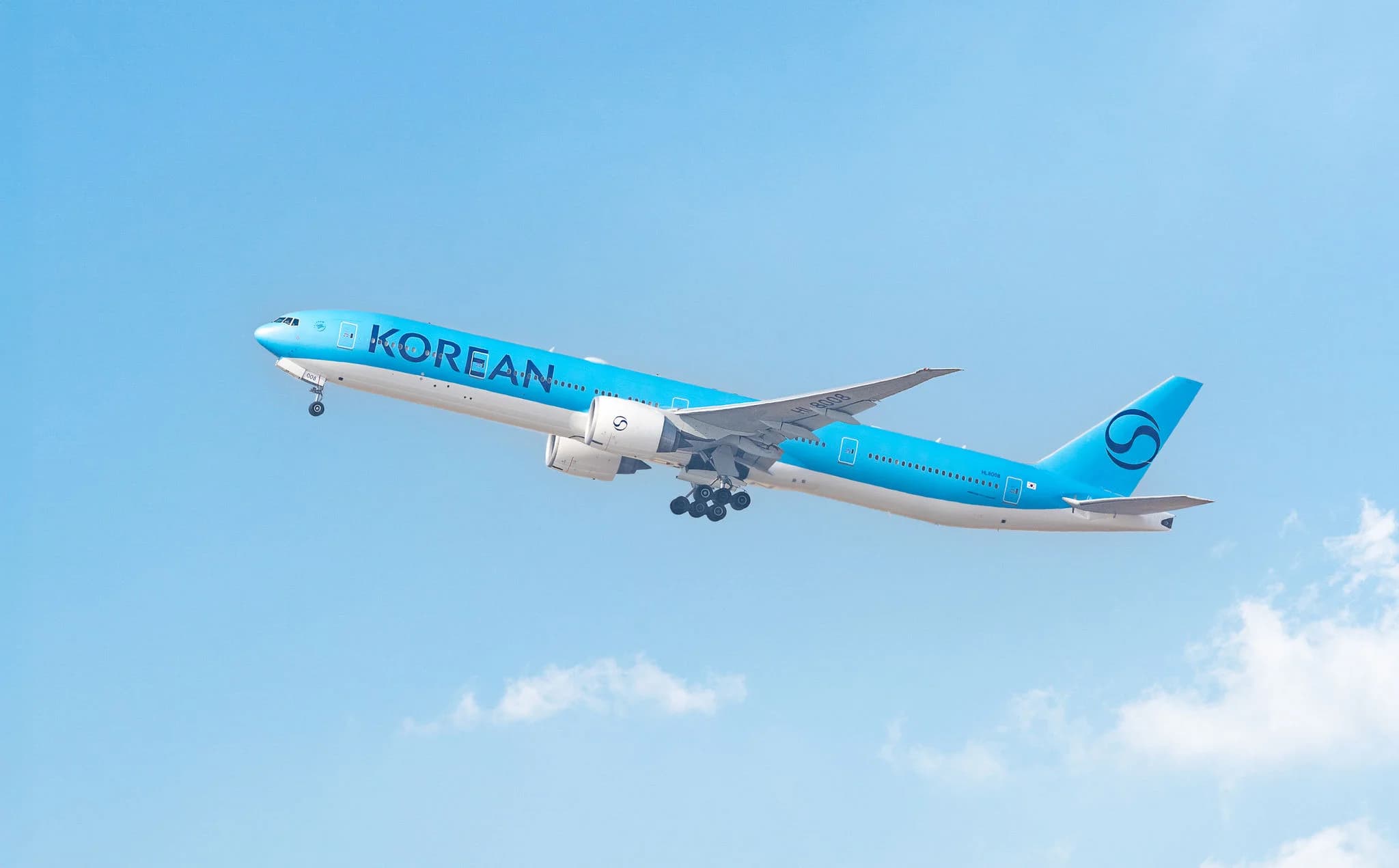
Six years of regulatory limbo, and Korean Air’s takeover of Asiana finally has a date. On December 17, 2026, the Asiana brand ceases to exist and the combined airline flies under one set of colours.
I have been watching this one drag for a while, more out of points-collector self-interest than any deep interest in the Korean aviation market. The merger calendar matters because it carries a deadline that affects every Aeroplan member.
Star Alliance has now confirmed the full timeline. On June 22, it published the exact dates for Asiana’s departure, and there are two that every Aeroplan member should write down.
The Two Dates That Matter
The first is October 15, 2026. That is the last day you can earn Aeroplan points, or any Star Alliance program’s miles, on an Asiana-operated flight. Fly Asiana on October 16 or later and the miles will not post.
The second, and the bigger one for award travellers, is December 16, 2026. Aeroplan and other Star Alliance partners can book and fly award tickets on Asiana metal only for travel completed on or before that date. After December 16, Asiana leaves Star Alliance and partner award engines stop showing its inventory.
Earlier coverage, including our own, had the Aeroplan booking deadline pegged at December 1. Star Alliance’s confirmation moves it to December 16, so you have a bit more runway than the earlier reporting suggested.
One detail worth flagging is that these are Korea Standard Time deadlines. December 16 at 23:59 KST lands at roughly 10am Eastern and 7am Pacific that same morning, so in practice Canadians lose Asiana access on the morning of December 16, not at the end of the day. Don’t leave a booking for the final hours.
Here is how the full timeline shakes out for Aeroplan members.
| Date | What happens |
|---|---|
| October 15, 2026 | Last day to earn Aeroplan points (and any Star Alliance miles) on Asiana-operated flights |
| December 16, 2026 | Last day to book and fly Asiana award flights with Aeroplan points. Star Alliance Gold and Silver benefits on Asiana also end, and Asiana exits the alliance at 23:59 Korea Standard Time |
| December 17, 2026 | Asiana fully integrates into Korean Air. The brand disappears and the airline operates within SkyTeam |
Both boards approved the deal on May 13, Korean Air signed the merger contract the next day, and Asiana shareholders meet in August to ratify the share exchange. None of that is going to slip the December 17 date at this point.
In effect, you have until mid-December to ticket and fly any Asiana award redemption you have been sitting on, and only until mid-October if you were planning to credit a paid Asiana flight to Aeroplan.
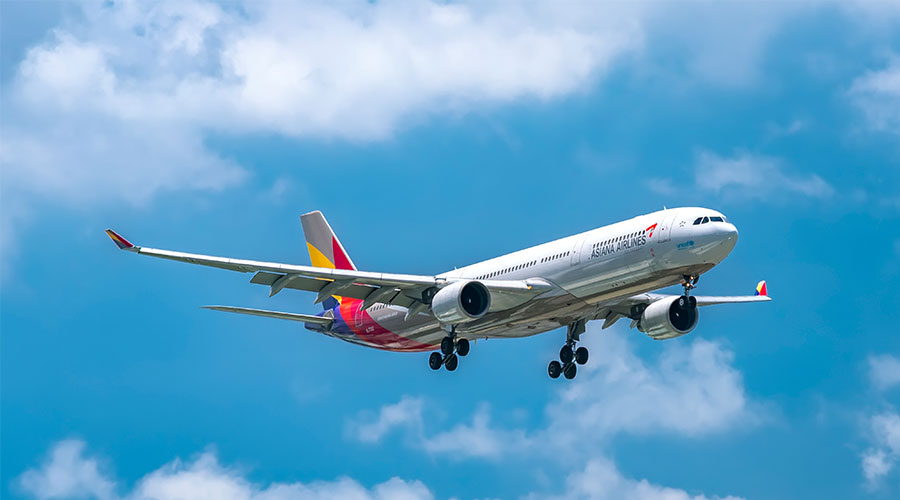
Last Call to Book Asiana with Aeroplan Points
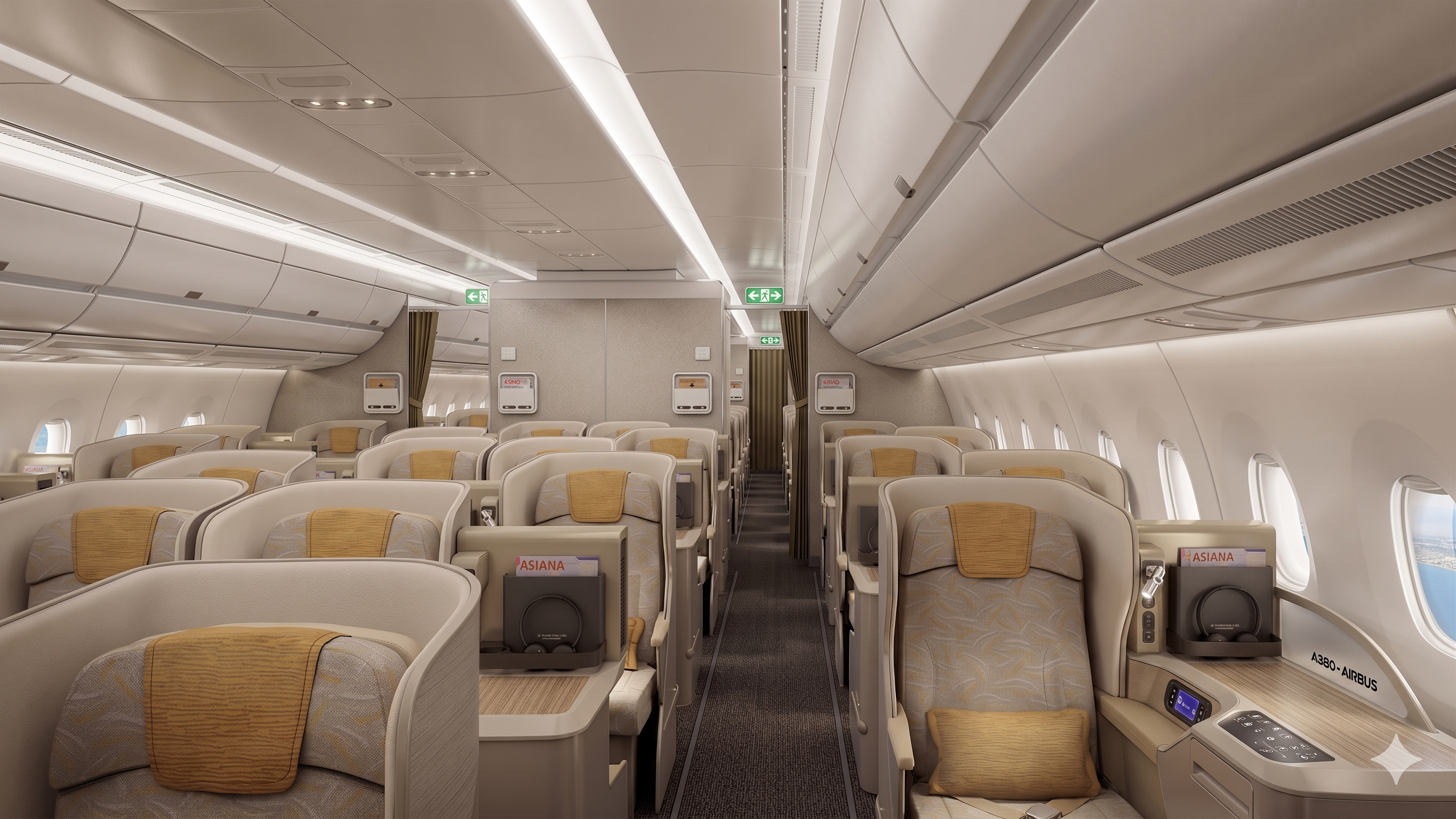
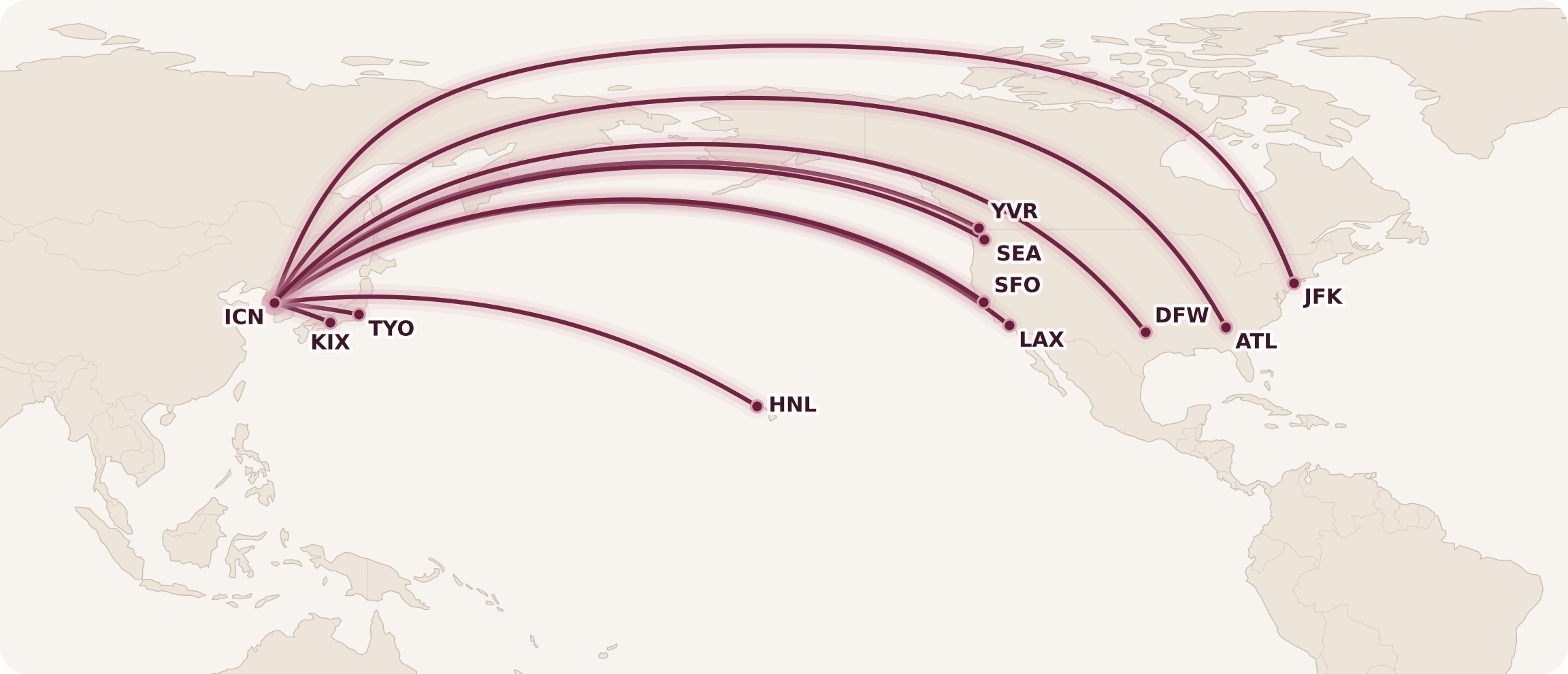
Asiana operates daily flights between Seoul Incheon and a handful of North American cities that matter to Canadians: Seattle, San Francisco, Los Angeles, New York, and Honolulu. Most of those routes use the Airbus A350 with a 1-2-1 business class layout that is among the more spacious products in the Star Alliance fleet.
Aeroplan partner business class to Seoul prices at 75,000 points one-way from any North American gateway, since every realistic Canadian routing falls inside the 5,001-to-7,500-mile distance band. Aeroplan’s June 2026 chart changes left this band untouched, so the 75,000-point price still holds. The +17% bump that has been making the rounds online applies to the next band up, which covers North America to Southeast Asia rather than Korea.
Vancouver does not get a direct Asiana flight, so the practical pairings for Western Canadians are positioning to Seattle or San Francisco and connecting onto the trans-Pacific leg. Eastern Canadians can route through New York on Asiana’s A350.
Asiana award availability through Aeroplan has historically been more open than All Nippon Airways, Singapore Airlines, or Lufthansa, especially in the six-to-11-month window. The airline did not adopt the heavy partner restrictions that the big Star Alliance flag carriers leaned on over the past few years, so finding business class space inside this booking window is usually doable on a flexible date search.
If the schedule lines up, this is a reasonable Aeroplan redemption to commit to before December 16. Asiana’s in-flight product is competent rather than special. Good A350 hardware and solid Korean cuisine, but nothing that would make me restructure a trip around it. Aeroplan partner award search works the same way it always has; Asiana inventory will simply disappear from results after December 16.
If your dates do not work on Asiana, EVA Air via Taipei is the cleanest Star Alliance fallback to Seoul. EVA flies the 777-300ER with Royal Laurel business class from Vancouver, Toronto, and most major US gateways to Taipei Taoyuan, with multiple daily Taipei to Seoul Incheon connections on its own metal. Routing through Taipei adds a couple of hours, but EVA tends to release partner business availability more reliably than Asiana ever did, and Royal Laurel holds up well as a transpacific business class product.
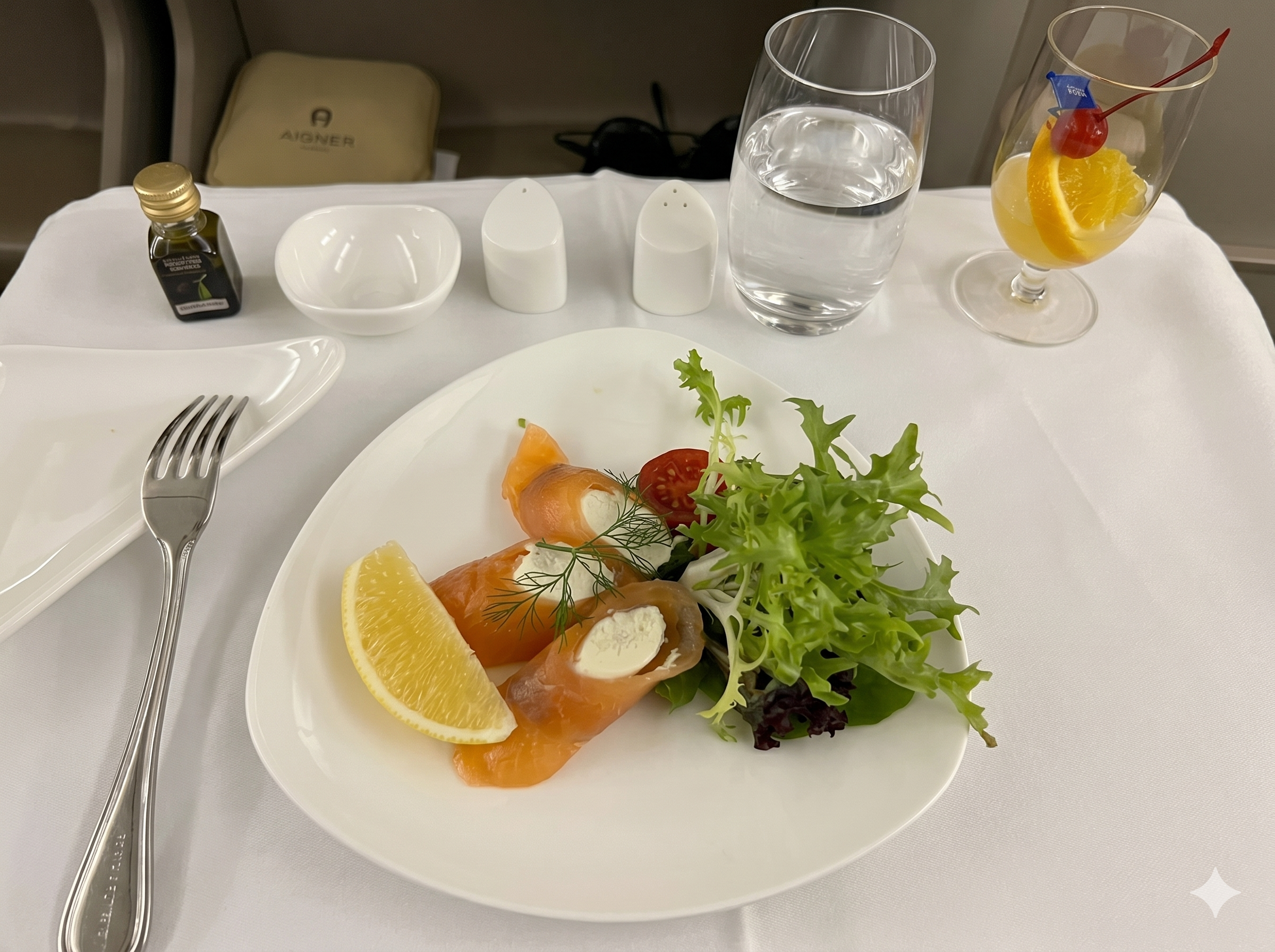
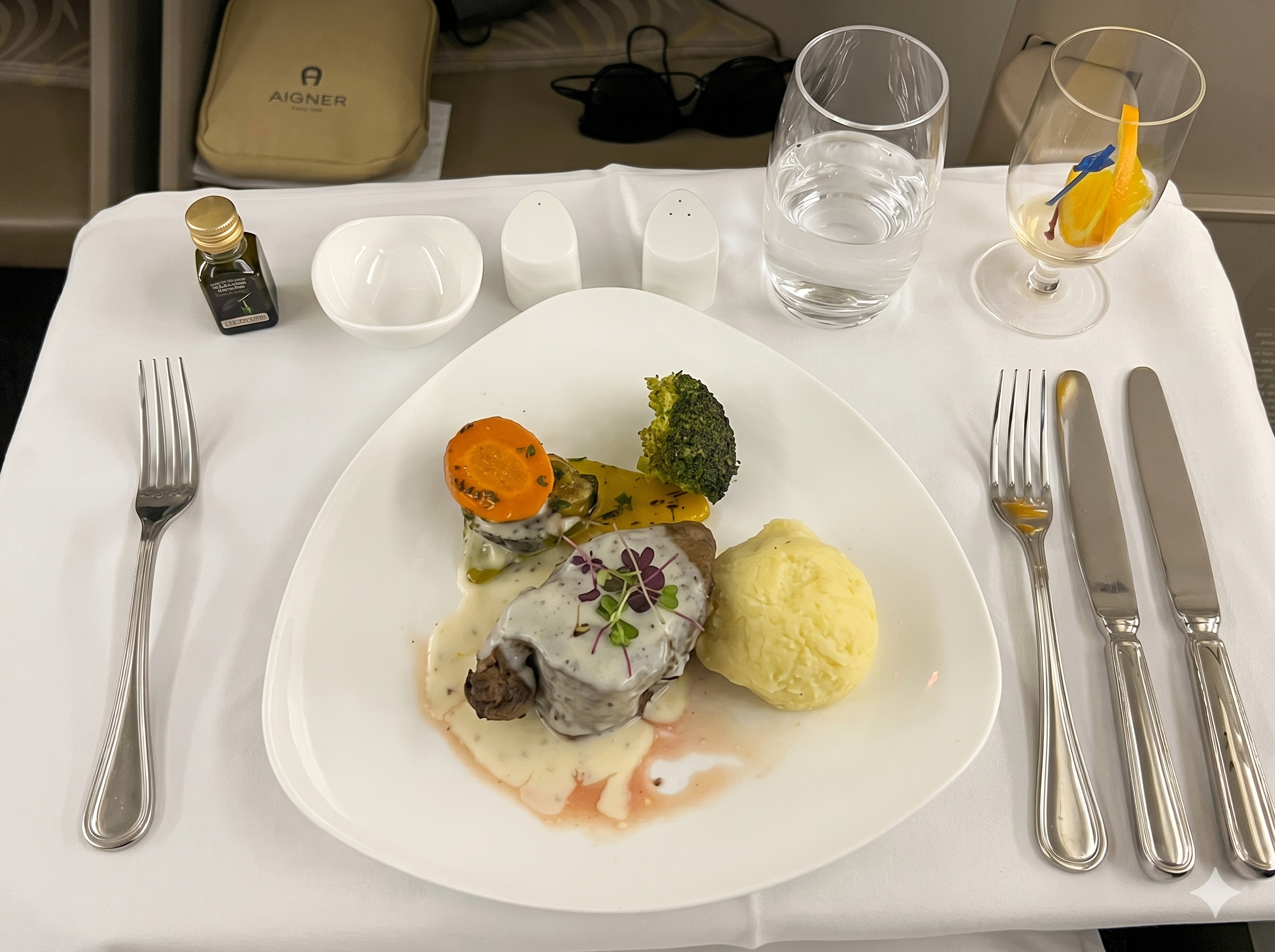
Smoked salmon starter and beef main. Solid Korean and continental fare, if not exactly a destination-in-itself dining experience.
What Happens to Your Asiana Club Miles
If you have an Asiana Club balance, the short answer is your miles survive, but they convert into Korean Air SKYPASS at different ratios depending on how you earned them.
Miles earned on Asiana flights transfer at 1:1. Miles earned through Asiana partners (credit card transfers, hotel partners, or other airlines crediting to Asiana Club) convert at 1:0.82. A 100,000-mile Asiana balance with 60,000 from flying and 40,000 from partners would land at roughly 92,800 SKYPASS miles after the merger.
Korean Air has committed to maintaining the converted miles for 10 years from the integration date, with their original expiry rules. That is a more generous safety net than most airline mergers offer, and worth flagging if you have been tempted to burn miles for poor-value redemptions just to clear the balance.
Elite status carries over automatically. Asiana Club Diamond Plus and Platinum holders slot into a new SKYPASS tier called Morning Calm Select, designed to match the SkyTeam Elite Plus benefits that the top Asiana tiers held under Star Alliance. Lower Asiana tiers map to their SKYPASS equivalents.
Korean Air SKYPASS Becomes the Only Game in Town
Post-merger, the airline operates entirely within SkyTeam, the alliance Korean Air co-founded back in 2000. For Canadians, that changes the math on Seoul redemptions in two big ways.
Aeroplan and other Star Alliance partners are out as redemption options for the new Korean Air. The way in becomes SkyTeam: Delta SkyMiles, Air France KLM Flying Blue, Virgin Atlantic Flying Club, and Korean Air’s own SKYPASS program. We have a deeper guide to the best SkyTeam programs for Canadians if you want the full picture.
For most Canadians, Air France KLM Flying Blue is the most accessible of those. It transfers from Amex Membership Rewards at 1:1, runs frequent transfer bonuses on a rolling basis, and prices Korean Air business class between North America and Seoul more reasonably than Delta’s dynamic chart usually does. Virgin Atlantic Flying Club also prices Korean Air business class at 85,000 miles one-way from Vancouver, which is decent value if you happen to have a Virgin balance.
SKYPASS itself remains worth knowing. Korean Air first class is bookable only through SKYPASS. SkyTeam partners like Delta and Flying Blue cannot issue first class awards on Korean Air metal.
A Seoul to North America one-way costs 80,000 miles off-peak, 95,000 miles peak, with fairly consistent availability on Vancouver, Los Angeles, and New York routes.
Earning SKYPASS as a Canadian is the awkward part. No Canadian credit card transfers, and the hotel partners that do exist (Accor, Shangri-La Circle, World of Hyatt) all transfer at ratios that make them unattractive.
Realistic on-ramps are flying Korean Air or its SkyTeam partners, buying miles directly when a redemption lines up, or, starting December 17, converting an Asiana Club balance.
Korean Air’s recently overhauled First Class and Prestige Lounges at Incheon at least make the SKYPASS first class experience worth chasing if a sweet spot opens up.
Conclusion
If I had Aeroplan points, a Korea trip on the wishlist, and dates that matched Asiana’s schedule, I would book before the December 16 deadline. If the schedule did not cooperate, I would not lose sleep over it. EVA Air via Taipei is the cleaner backup with generally better award space, and the replacement options on Korean Air metal in 2027 only really hurt on the surcharge side rather than the points side.
If I had an Asiana Club balance, I would not rush to torch it. The 10-year preservation window and automatic conversion makes hoarding the safer move than spending miles on a forced redemption.
For most points collectors, the bigger picture for South Korean aviation matters less than the booking deadline does. Mark December 16 on the calendar, and October 15 too if you have a paid Asiana flight you want to credit to Aeroplan. The rest sorts itself out from there.

Jason thrives on connecting with the heart of a destination, seeking out experiences that go beyond the guidebooks.

First-year value
$336
Monthly fee: $15.99
• Earn 1,250 points per month upon spending $750 per month for 12 months


Member Discussion