
The Centurion Lounge Just Got Stricter. Will It Feel Any Less Crowded?

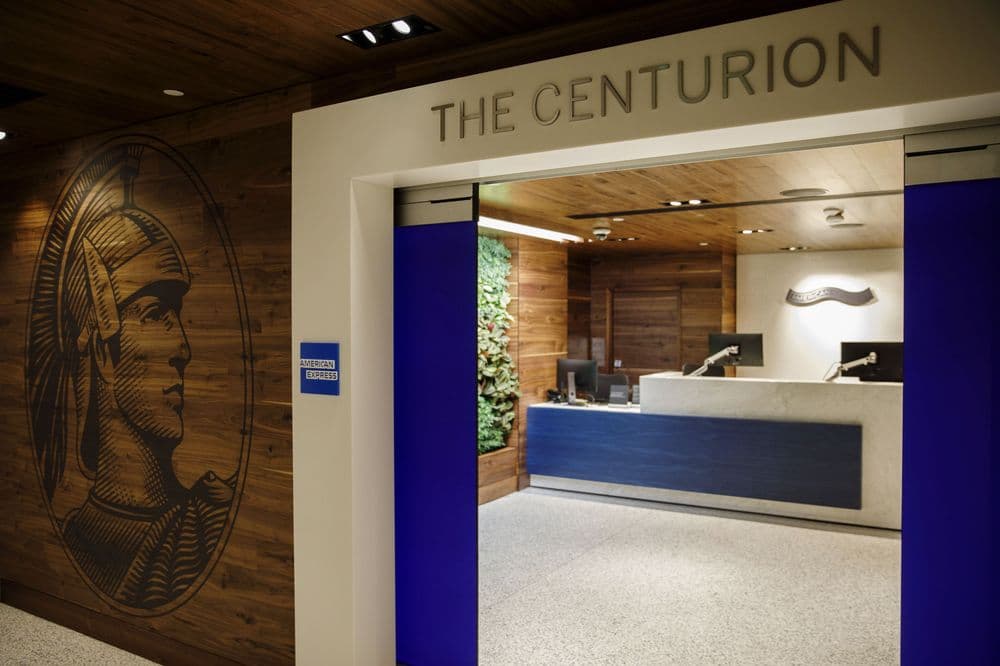
American Express has tightened the guest and layover rules at its Centurion Lounges, and the changes went live on July 8, 2026.
Two things are different now. Your guests have to be booked on the same flight as you, and if you're connecting, you can only get in within five hours of your onward departure.
Honestly, this won't change much for most people. It matters a little more for us Canadians, and it closes off a good-samaritan move that used to be fair game.
The Kind of Moment This Rule Just Ended
Say you're waiting in line at a Centurion Lounge, and the family of four in front of you is one pass short.
Mom, Dad, and one of the kids can get in, but the other is about to spend the layover sitting on the terminal floor.
You're travelling solo, sitting on two guest privileges you aren't going to use. So you offer to bring her in on your pass, and a couple of minutes later she's inside with a plate of food while you find your own corner of the lounge.
Under the new same-flight rule, you couldn't do that today. That small favour is now against the rules, and it's worth understanding exactly what Amex changed and why.
What Actually Changed
Both changes are aimed squarely at guests and connections.
The first is the same-flight rule. Until now, a guest just had to be flying somewhere that day. Now they have to be on your specific flight.
The second is a five-hour cap on layovers. Connecting passengers used to face no time limit, but now the door only opens within five hours of your departing flight.
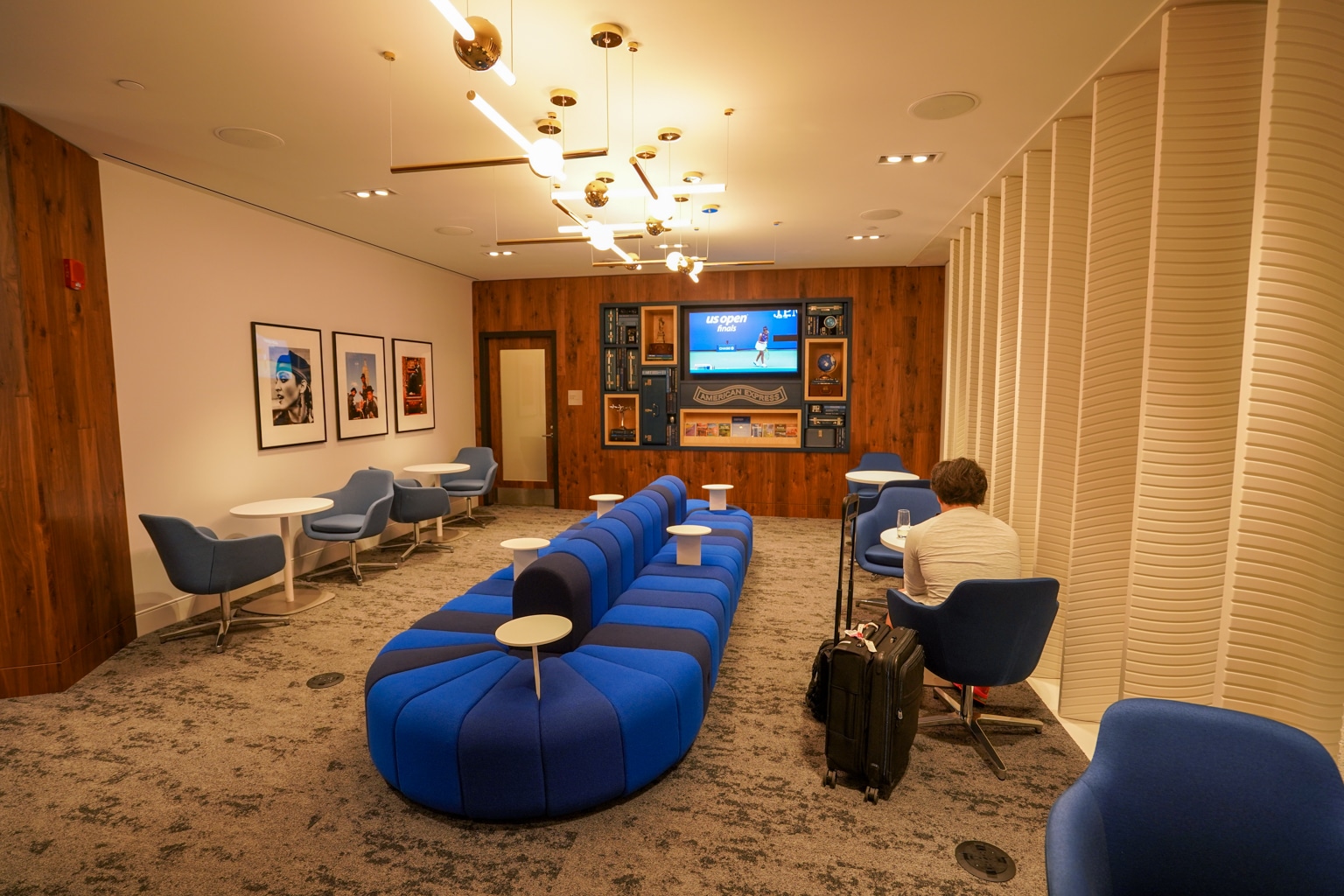
Nothing changed for origin departures, which were already held to the existing three-hour window. The new rules apply at Centurion Lounges across the United States, plus London Heathrow (LHR), Tokyo Haneda (HND), Hong Kong (HKG), Sydney (SYD), and Melbourne (MEL).
They cover the Platinum Card, Business Platinum, Corporate Platinum, and Delta SkyMiles Reserve.
Why This Affects Canadians Slightly More
Start with the fact that shapes everything for us. There isn't a single Centurion Lounge in Canada.
Not in Toronto (YYZ), not in Vancouver (YVR), not in Montreal (YUL). Every Centurion Lounge a Canadian will ever set foot in sits on the far side of a border, usually at a connecting hub like Las Vegas (LAS), Dallas (DFW), or Seattle (SEA).
That geography decides which half of this policy actually touches us. We almost never begin a trip at a Centurion Lounge, because there isn't one to begin at, so we reach them on the way through, as connecting passengers.
The connecting passenger is exactly who the layover cap targets. Origin departures were always held to a three-hour window, so that part is old news. The connection with no time limit was what made a long layover comfortable, and it's what just disappeared.
To be fair, most connections run one to four hours, and those still fit inside the new five-hour window. The travellers who lose out are the ones with long layovers, the six- and eight-hour waits where settling into a lounge was the entire plan.
That's a smaller group, but it's a disproportionately Canadian one, because the long haul through a hub is a routing we live with far more than most.
Is This to Fix the Crowding Issue?
Amex is framing this as a crowding fix. I'm not sure it'll work out that way.
Think about who actually brings guests into a lounge. The overwhelming majority are families and couples travelling together on one booking, on the same flight. This rule doesn't touch them at all.
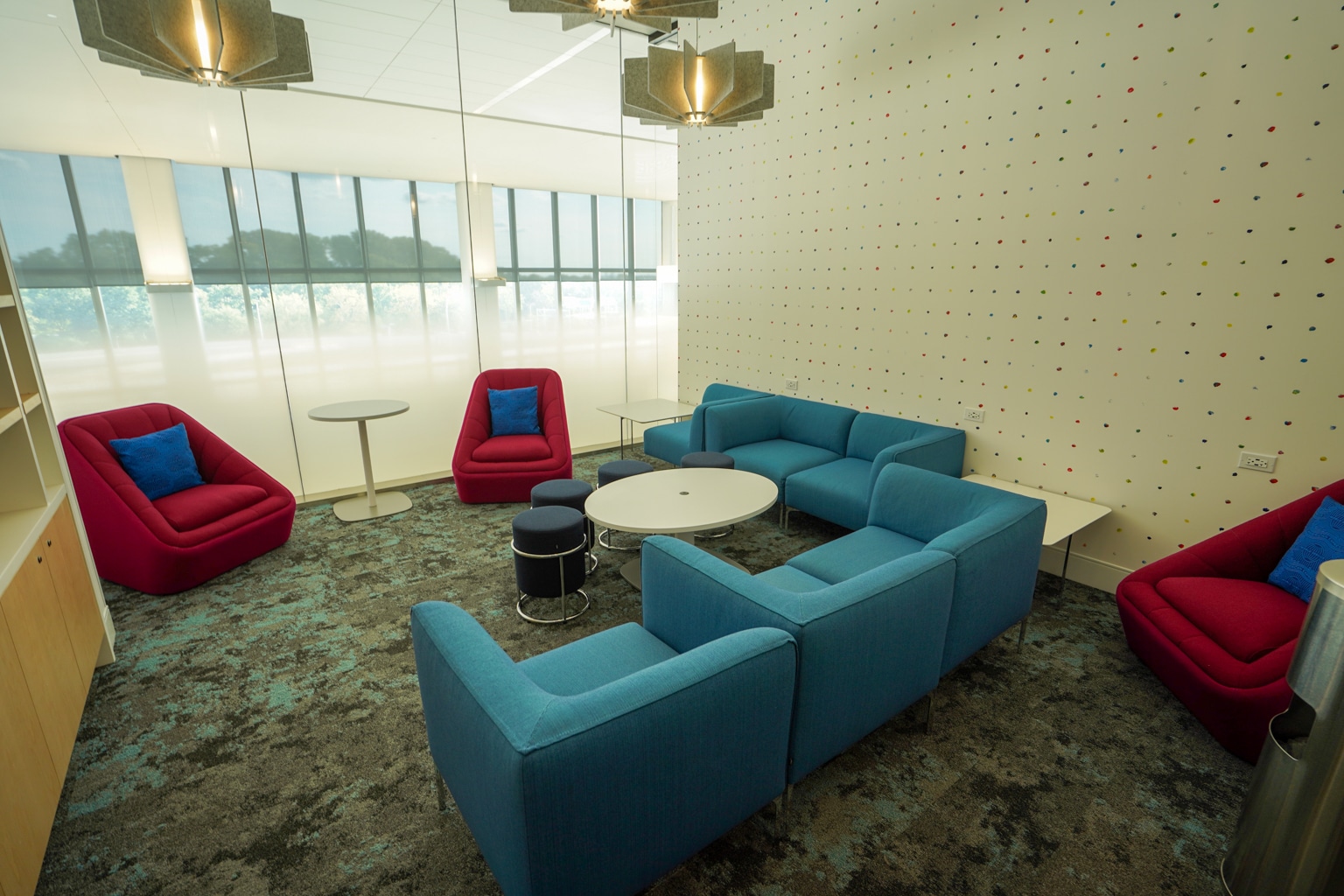
What the same-flight rule kills isn't crowding. It's the social side of guest access, the part that let you help someone outside your own itinerary.
That includes the good-samaritan scenario I opened with. It also includes something more common than you'd think, which is groups travelling together on separate tickets.
I once went on a festival trip where our group booked our flights independently, departing within an hour of each other, and covered one another into lounges along the way. We really were travelling together. Under the new rule, we're strangers.
The behaviour Amex is actually responding to is far more visible than any of this. Over the past year a wave of social media creators turned lounge access into content, walking up to strangers at the gate and inviting them in to film the moment for their followers.
In raw numbers that's almost certainly a rounding error against total traffic. Yet visibility forces policy, and a viral video of strangers piling into a Centurion Lounge is exactly the kind of thing that gets a rule written.
There's an irony in all of this. Some of those strangers probably loved it and walked out to sign up for a Platinum of their own.
That's how a couple of my friends got theirs. I brought them into a lounge years back, their jaws dropped, and they applied before we'd even left. The lounges were more impressive then, I'll admit, but the behaviour Amex is clamping down on used to double as its best sales pitch.
The trouble is that the sympathetic cases and the abusive ones now get treated as one thing. That raises a more interesting question, which is why Amex reached for the tool it did.
A Rule the Front Desk Can Actually Enforce
What's telling is that Amex could've left some options open.
The company already runs a paid-guest system. At most US lounges, extra guests can come in for US$50 a head, so the machinery to charge for access is already there.
Amex could have simply priced different-flight guests at a reasonable fee and let people pay for the privilege. It chose not to, and the reason comes down to what a desk agent can verify in real time.
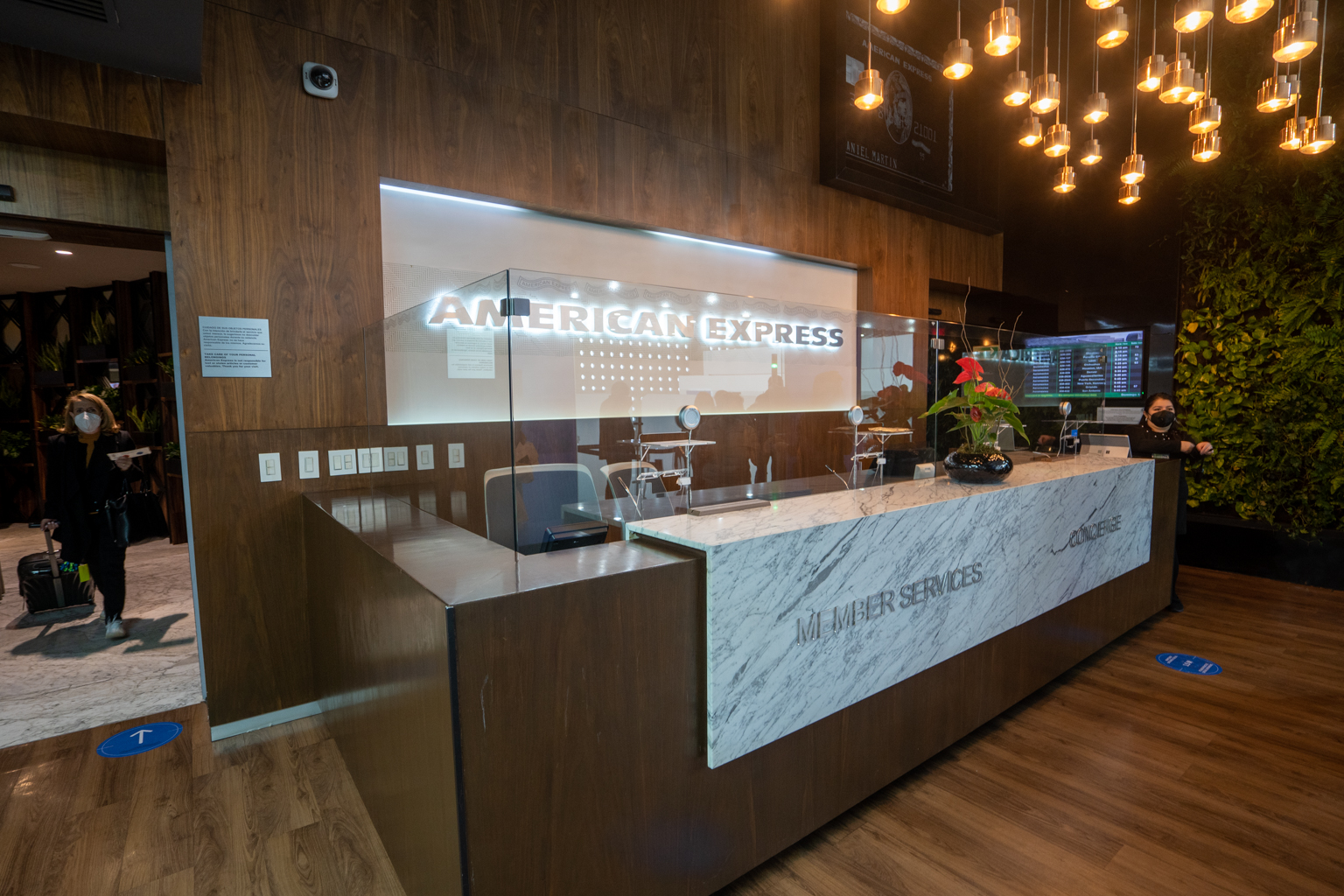
A gate agent can confirm that two people are on the same flight number in about two seconds. What they can't do is judge whether two travellers on different tickets are really together or total strangers.
Bright-line rules survive at the podium. Fuzzy ones don't, because a policy that depends on a tired agent making a judgment call at 6am is a policy that falls apart in practice.
So Amex picked the rule it could actually enforce, even though that rule can't tell a good-samaritan gesture apart from a stunt staged for social media. At the door, the two look identical, and that's why both had to go.
This is the part I keep coming back to. A rule written to be read by a machine doesn't need a person to interpret it, and as AI and automation spread through every service counter, the human at the desk starts to look like a cost worth automating away.
A few years from now, I wouldn't be surprised to find no agent at an airport lounge front desk at all, just a gate that scans your boarding pass and decides. The trouble is that the agent was also the one who could bend the rule a little, and automating the door locks the bright line in for good.
Too Many Cardholders, Not Enough Lounges
Let's step back a bit, and this fits a pattern that's been building for years.
The Platinum Card isn't an elite product anymore. Just by looking around me, the number of people holding one has clearly shot up over the last few years, and that's exactly what Amex was going for.
The problem is that cardholder growth compounds while lounge square footage grows in a straight line, if it grows at all. You can add members far faster than you can build lounges, so the ratio of eligible travellers to available seats only moves one way.
When the math stops working you ration, and that's what Amex has been doing for years, one turn of the screw at a time.
First came tighter entry windows. Then guest fees, then spend thresholds to unlock complimentary guests in the US.
Each step is individually defensible. Together they trace a clear direction, and it isn't toward more access.
So let me plant a flag. The next turn is visit caps or spend-tiered entry on the Centurion Lounges themselves, a set number of free visits a year with unlimited access reserved for whoever spends enough to earn it.
If that sounds far-fetched, look at what Amex Canada has already announced. Starting January 1, 2027, Canadian Platinum cardholders get just six Priority Pass visits and six Plaza Premium visits a year, unless they spend $20,000 (CAD) to buy back unlimited access.
Centurion access stays unlimited for now, but the mechanism is already written into the Canadian terms. Count your visits, or spend your way past the cap. Applying that to Centurion would be a copy-paste job, not a leap.
This Is Partly an Airport Problem, Not an Amex One
Now for the part I'll defend even though it lets Amex partly off the hook. A lot of this is really about the airports.
Fly through Seoul (ICN), Singapore (SIN), or Tokyo Haneda (HND) and the terminal itself gives you somewhere to be. There are food halls, gardens, showers, quiet zones, and comfortable public seating that doesn't cost a thing.
The lounge is one option among many, so demand spreads out across the building on its own.
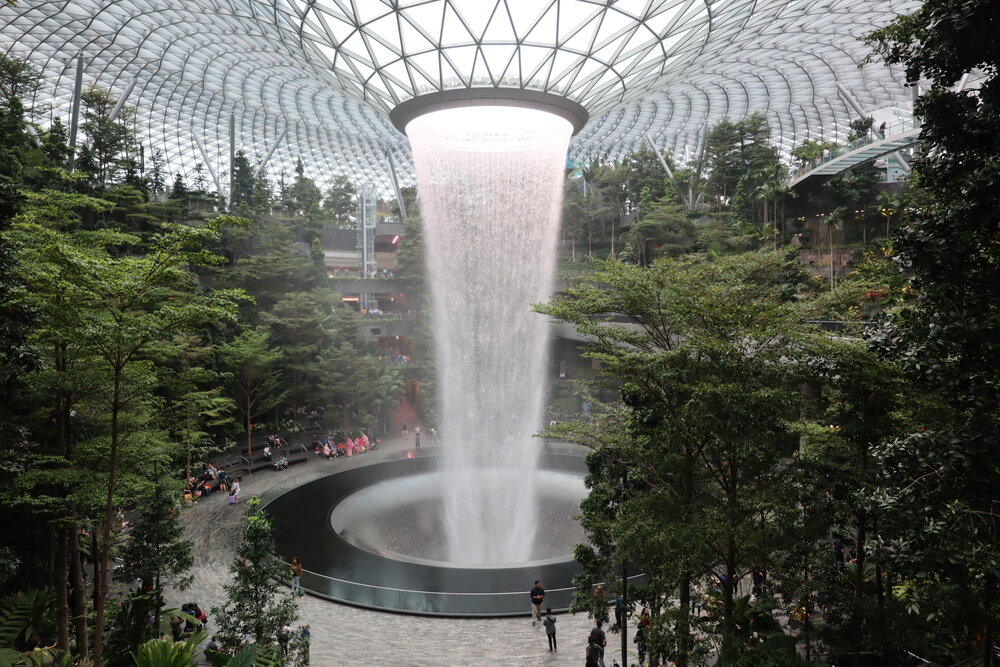
Now picture a typical US terminal. The public seating is a row of hard chairs bolted to the floor, the food is a news-stand sandwich, and the only civilized place to sit is behind the lounge door.
When the lounge is the single tolerable space in the building, every eligible traveller funnels toward the same entrance. No guest rule fixes that, because it's a terminal-quality problem, and Amex doesn't own the terminals.
None of that excuses the change. It does explain why the crowding is worst in exactly the markets where these rules are landing.
Conclusion
The crowding won't ease much. Most of the people filling the Centurion Lounges were always on the same flight as their guests, and they still are.
What actually changed is smaller and sadder. Amex drew a line that a desk agent can enforce in two seconds, and in doing so it ended the version of lounge access where you could do a stranger a good turn.
That family in the queue would still get stopped today, one pass short, and you'd have no way to help. The rule that stops the social-media stunt stops that too.
That's the trade Amex made. Whether it feels worth it probably depends on how often you were the person in line who needed someone else's second guest pass, or the person with a spare one to give.



Member Discussion