
Air Canada Launches Premium Economy Basic and Business Class Basic Fares

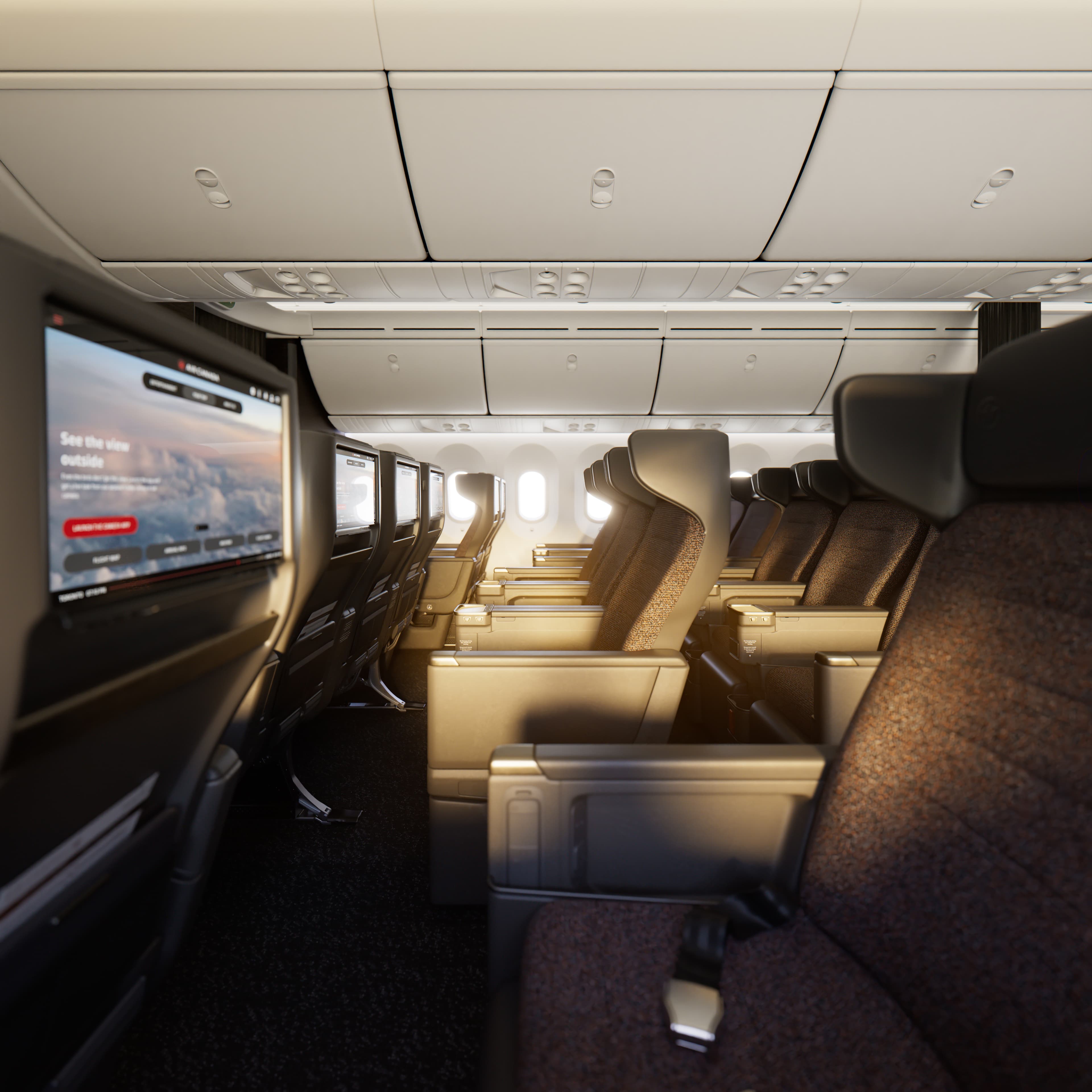
Booking a premium cabin with Air Canada now comes with a lower-priced entry point. As of July 28, 2026, two new fare brands are joining the bottom of the premium fare ladder on select international routes, called Premium Economy Basic and Business Class Basic.
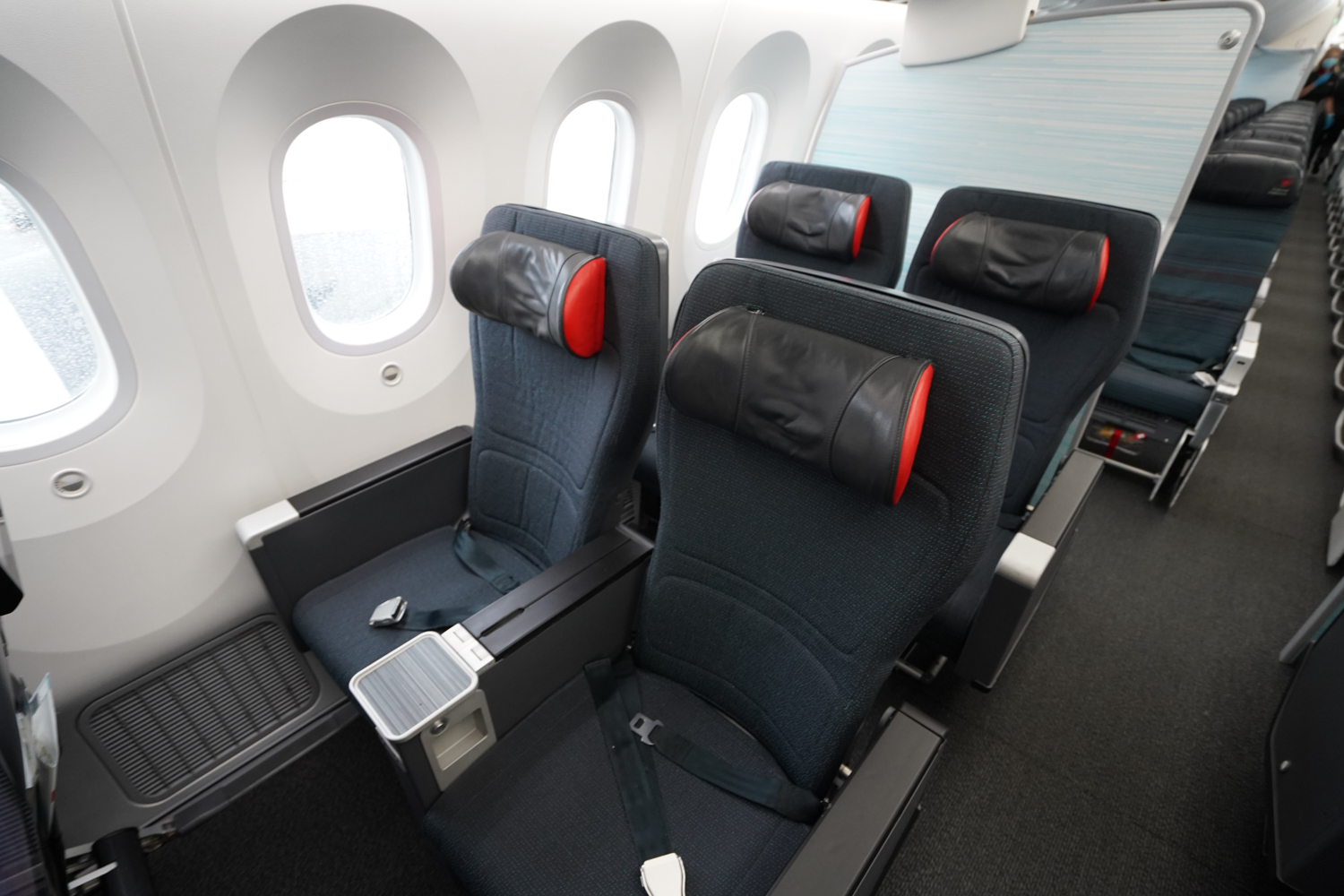
The new fares are priced below the existing premium options, with the same seat, meal service, and priority airport services. In exchange, travellers give up refunds, free seat selection, a second checked bag, and the use of eUpgrades.
These are paid fares, so nothing changes about booking premium cabins with Aeroplan points. Award pricing and availability are unaffected.
How the Basic Fares Are Structured
Air Canada is positioning these as a way to pay only for the benefits you value. The core premium experience stays intact, while the flexible extras move behind a fee or are removed.
| Attribute | Premium Economy Basic | Business Class Basic |
|---|---|---|
| Refunds | Not refundable | Not refundable |
| Changes | Permitted, for a fee | Permitted, for a fee |
| Advance seat selection | For a fee | For a fee |
| Checked bags | 1 complimentary | 1 complimentary |
| Carry-on bag | Permitted | Permitted |
| Lounge access | Not included | Maple Leaf Lounge, but not the Signature Suite |
| Priority boarding | Included | Included |
| Priority baggage | Included | Included |
| Onboard meal | Included | Included |
| Aeroplan earning | Aeroplan points and SQC | Aeroplan points and SQC |
| eUpgrades | Not eligible | Not eligible |
Paying a fee for seat selection is likely to be the most noticeable change. It matters more in premium economy than in business class, since business class seats are relatively consistent throughout the cabin, while premium economy has bulkhead and window seats that many travellers prefer.
On the other hand, travellers who never select a seat in advance are no longer paying for a benefit they don't use.
The size of the discount remains to be seen, as fares are still loading into the booking engine. We'll update this story with pricing examples once the rollout settles.
You Still Earn Full SQC on Basic Fares
Unlike Basic fares in economy, which earn zero SQC toward Aeroplan Elite Status, the new premium fares earn 4 SQC per dollar on the base fare and carrier surcharges. That's the same rate as every other premium economy and business class fare.
On a hypothetical $2,000 base fare, that works out to 8,000 SQC from a single booking, nearly a third of the 25,000 SQC needed for Aeroplan 25K status.
Redeemable points earning is unchanged as well. Members earn 1 Aeroplan point per dollar on the base fare and carrier surcharges, and Elite Status members earn between 2x and 6x depending on their tier.
As a result, these are the lowest-priced paid premium cabin fares that still earn full SQC, which may appeal to travellers pursuing Aeroplan Elite Status.
No eUpgrades and No Signature Suite
The most significant change for frequent flyers is eUpgrade eligibility. Basic fares can't use eUpgrades at all, while Aeroplan award tickets on Air Canada flights remain eUpgrade-eligible, making an award booking more flexible than a paid Basic fare in this respect.
The exclusion also affects upgrade strategy. Premium economy passengers rank ahead of every economy passenger on the eUpgrade waitlist, regardless of status, so lower-priced premium economy fares have often been used to improve upgrade odds. Basic fares no longer offer that option.
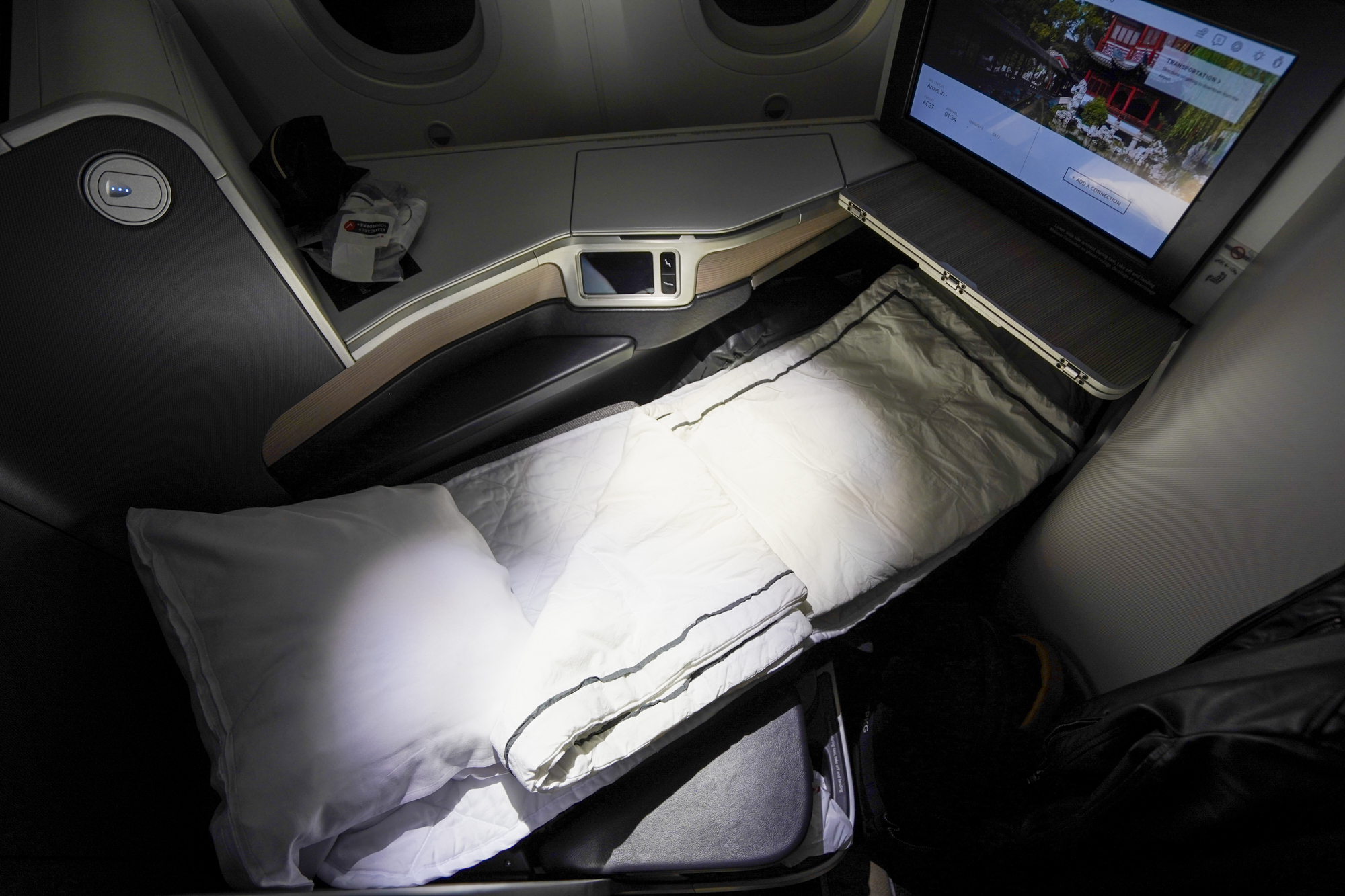
Business Class Basic also excludes the Signature Suite. The fare includes Maple Leaf Lounge access, but the flagship dining experience requires a Standard fare or higher.
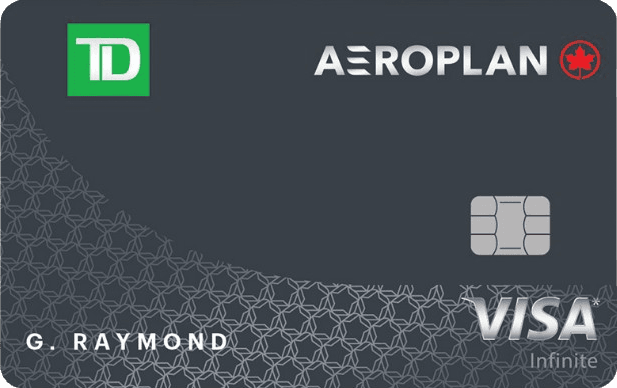
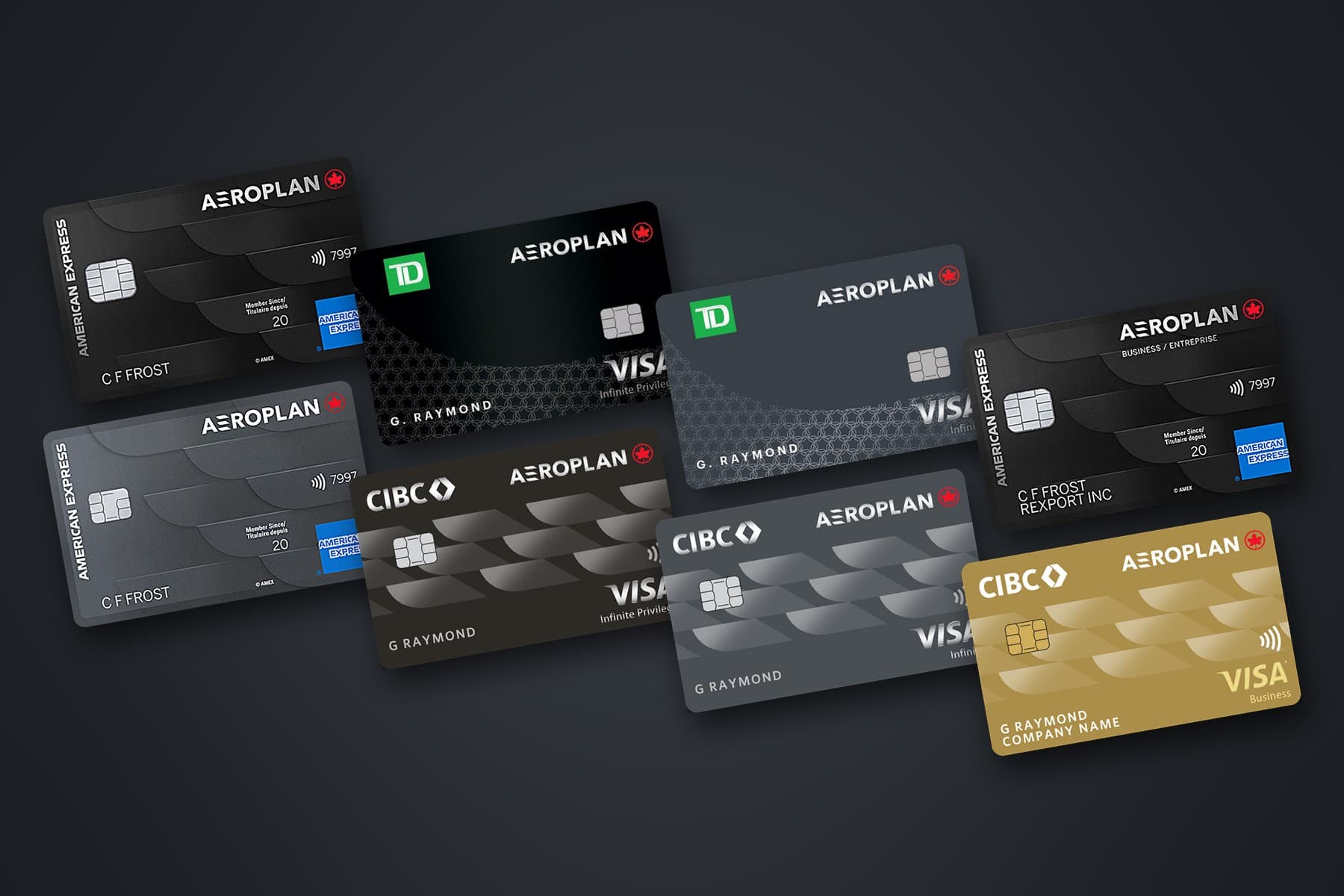
Other status benefits are unchanged. Priority services, status-based lounge access, and free baggage allowances all apply on Basic fares, as do the benefits of Aeroplan co-branded credit cards.
That creates a useful overlap for travellers who already hold Aeroplan Elite Status or a premium Aeroplan credit card. A cardholder with unlimited Maple Leaf Lounge access gives up less by booking Premium Economy Basic, since the lounge benefit is already covered from another source.
The same logic applies to baggage. Elite members with a complimentary checked bag allowance won't feel the single-bag limit as much, narrowing the real trade-offs down to seat selection fees, refundability, and eUpgrades.
Renamed Fares and Eligible Routes
Alongside the launch, Air Canada renamed its existing premium fares to match the economy structure. Premium Economy Lowest and Premium Economy Flexible are now Standard and Latitude, and business class follows suit.
Air Canada says nothing else about those fares changes beyond the name. The result is one consistent ladder across all three cabins, and our guide on how to choose the right Air Canada fare breaks down the full picture.
The rollout is limited to a defined set of markets for now. Air Canada lists the Caribbean, Mexico, Latin America, and South America, plus transatlantic joint venture routes operated alongside United Airlines and Lufthansa Group.
Flights to Iran, Israel, and the United Arab Emirates are excluded on the transatlantic side. Domestic, US transborder, and transpacific routes don't have the new fares at all.
Conclusion
These fares suit travellers with fixed dates who rarely change or cancel their plans. If you're comfortable selecting a seat at check-in, aren't particular about lounge access, and travel light with a single checked bag, Basic offers the same seat and service for less money.
Travellers pursuing Aeroplan Elite Status may also find value here, since the fares earn the full 4 SQC per dollar. For most others, refunds, seat selection, and eUpgrade eligibility will likely justify a higher fare, depending on the size of the discount.
Premium cabin unbundling has been spreading across the industry, and with the fare ladder now consistent across all three cabins, an expansion to additional markets wouldn't be a surprise.
We'll be publishing a full analysis of the new fares in the near future, once the pricing is consistently live across these markets.

Jason thrives on connecting with the heart of a destination, seeking out experiences that go beyond the guidebooks.


Member Discussion