Hotels.com Is Reversing Its One Key Program, and That's Rare


Companies almost never admit that hollowing out a loyalty program was a mistake. They tweak, they spin, they quietly devalue, and they hope nobody runs the numbers.
So I did a double take when Hotels.com confirmed it was walking back One Key and bringing back the old Hotels.com Rewards program that people actually loved.
That's rare in travel, and it deserves more attention than the average points devaluation. A big company looked at a change it had made, decided the backlash was fair, and undid it.
It also says something we tend to forget. A loyalty program isn't a marketing afterthought. It's often the whole reason you pick one booking site, airline, or hotel over an identical competitor.
The Program People Actually Loved
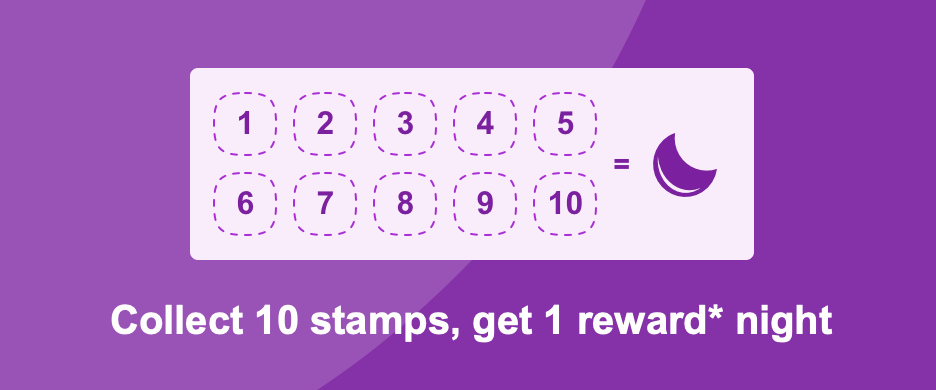
The old Hotels.com Rewards program was about as simple as loyalty gets. You booked 10 nights, and you earned one free night in return.
That free night was worth the average price of the 10 you'd already paid for, before taxes and fees. Stay 10 nights at $200 (CAD) each, and your reward night was worth roughly $200.
In effect, it handed back about 10% of your hotel spending. No status tiers, no points math, no award charts. Just a stamp card you could actually understand.
That simplicity is why people stuck with it. It held up well against chain programs like Marriott Bonvoy, especially for travellers who favour independent hotels that earn nothing elsewhere. It was also a quiet favourite among people hunting for smarter ways to pay for hotels.
Then One Key Arrived
In July 2023, Expedia Group merged the loyalty programs of Expedia, Hotels.com, and Vrbo into a single program called One Key, built around a shared currency called OneKeyCash.
Expedia Group pitched it as freedom, one balance you could earn and spend across flights, hotels, vacation rentals, cars, and cruises. One program across three brands sounds convenient on paper. In practice, it slashed what Hotels.com loyalists earned.
One Key pays about 2% back in OneKeyCash on eligible hotels, vacation rentals, car rentals, cruises, and packages. Flights earn a token 0.2%.
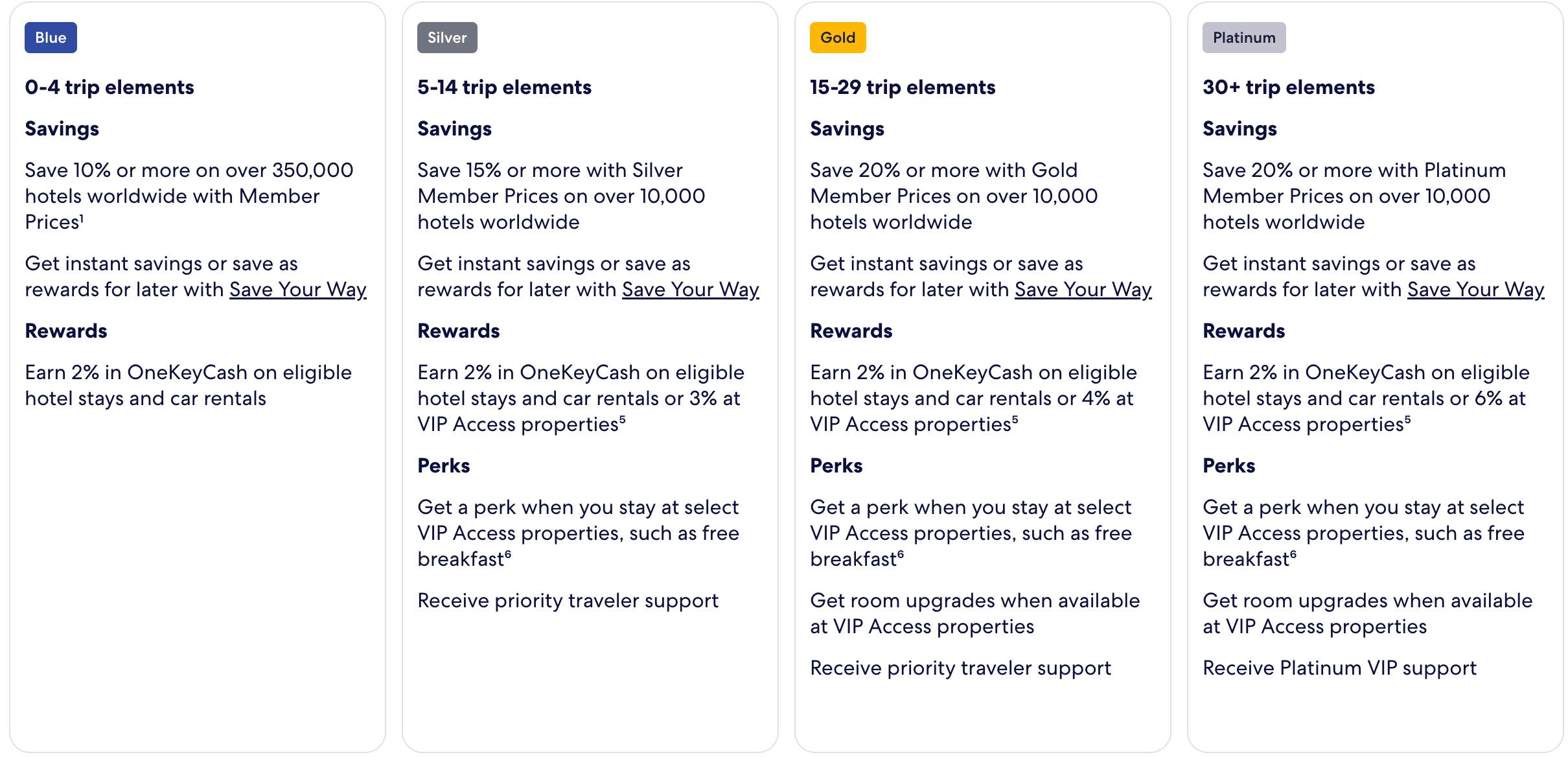
Go back to that 10-night example. Under the old program, 10 nights at $200 earned a free night worth around $200. Under One Key, the same $2,000 in bookings returns roughly $40 in OneKeyCash.
That's a drop from about 10% back to about 2% back. Same stays, same spending, one fifth of the reward.
The reaction was exactly what you'd expect. Customers were furious, and the Miles & Points community panned it. The downgrade was obvious the moment it landed, and the verdict hasn't improved with time.
One quick word of comfort if you book from Canada. The worst of this never actually landed here, because Expedia Group abandoned the global rollout before it reached us. I'll get into what that means shortly.
Hotels.com Isn't the First to Feel the Heat
Hotels.com isn't the first program to learn this the hard way. The last few years are full of loyalty programs that pushed too far, and a surprising number of them had to retreat.
Delta Air Lines is the clearest example. In 2023, it announced that elite status would be earned purely on how much you spent, scrapping the old paths that rewarded flying plenty of miles or segments. The spending targets jumped sharply, with top-tier Diamond status alone calling for $35,000 (USD) in qualifying spend a year.
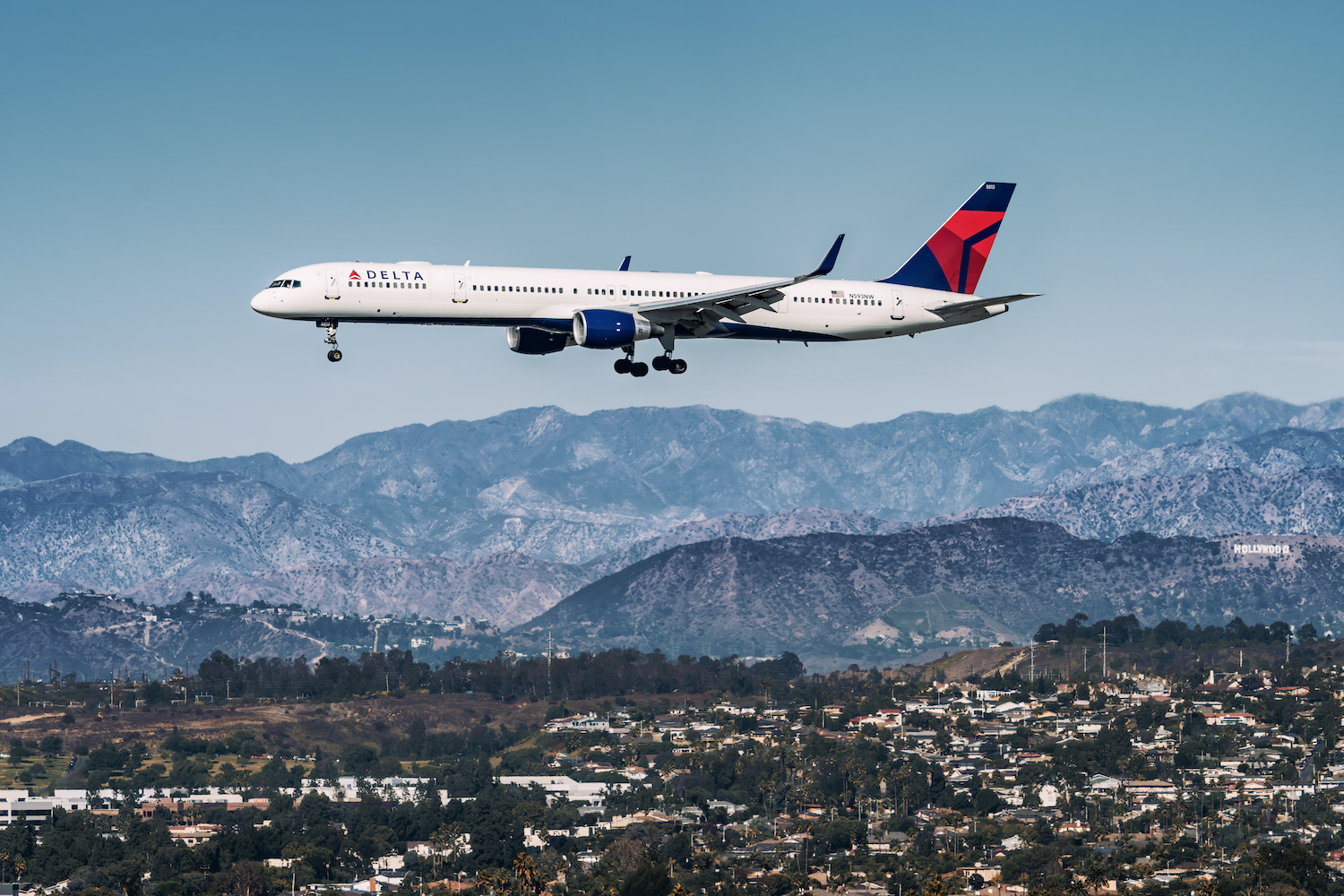
Sky Club lounge access took a hit at the same time. Delta capped its co-branded American Express cardholders at 10 visits a year, and reserved unlimited entry for those spending $75,000 (USD) on the card.
The backlash was loud enough that chief executive Ed Bastian publicly conceded the airline "probably went too far." Within weeks, Delta walked back the worst of it, lowering the status thresholds and restoring some lounge visits. A public near-apology over a loyalty program isn't something you see often.
Korean Air has done it twice. When it first added expiry to its SKYPASS miles in 2008, it wanted them to lapse after five years, then retreated to 10 years after pushback that reached the government.
It tried again in 2023 with an award chart overhaul that would have pushed a business class seat to New York from 62,500 to 90,000 miles. Customers and government officials objected, and Korean Air shelved the plan.
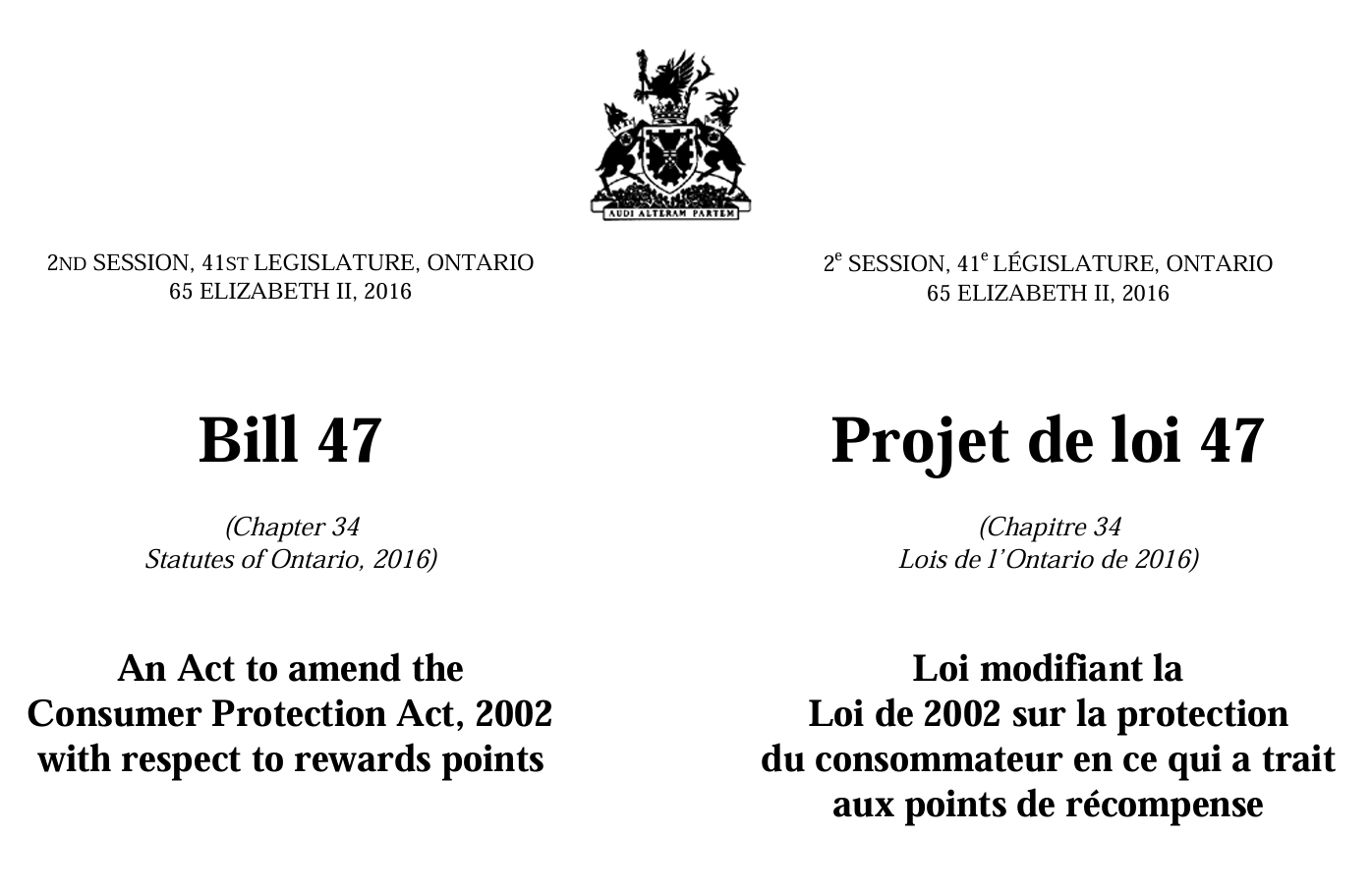
Canada has its own version. In 2016, AIR MILES (now becoming Blue Rewards) announced that points would start expiring after five years. The outcry was severe enough that Ontario passed Bill 47, the Protecting Rewards Points Act, which banned points from expiring by time alone. Quebec moved in the same direction, and AIR MILES cancelled the policy days before it took effect.
The pattern is hard to miss once you start looking. Loyalty programs aren't just marketing line items. People treat their points and perks as something they've earned, and they push back hard when a company claws them away.
What the Rollback Actually Looks Like
The rollback isn't global, and the details depend on where you book.
The United Kingdom was meant to lead the comeback. Hotels.com announced that Hotels.com Rewards would return there, with members moved over between April 8 and May 8, 2026.
Members were promised £100 in Hotels.com Cash after 10 eligible nights, as long as their average rate is at least £75. Any unspent OneKeyCash would convert into Hotels.com Cash, so nothing already banked is lost.
Still, the switch looks slower than promised. When I checked Hotels.com's UK site in mid-June 2026, well after that window closed, I was still seeing One Key.
It could be a phased migration grinding through accounts, or a sign Expedia Group is rethinking the timing. I'm hoping it's the former.
Several European markets that never fully moved to One Key, including Germany, Spain, and the Netherlands, are getting an updated version of the traditional program between July 6 and August 5, 2026. Existing stamp value converts to Hotels.com Cash there too.
The new version also improves on the old stamp card in a few ways. Hotels.com Cash can be split across multiple bookings, it covers taxes and fees on online payments, and there are no blackout dates. The one loss is the old Price Guarantee, which is going away.
Canada sits in a fortunate spot. When Expedia Group abandoned the global One Key rollout, most of the world outside the UK and US held onto the old stamp-based program, Canada included. Canadians never took the full downgrade, and the version being carried forward here is the good one, not the watered-down One Key.

The glaring exception is the United States. As of the middle of 2026, American members are still stuck on One Key, with no rollback announced. The market that arguably drove the whole One Key project is the one still living with it.
Why Admitting It Deserves Credit
It's easy to be cynical about a company undoing its own mistake. Hotels.com created this problem, after all, and the rollback is only partial.
My honest take is that the reversal still deserves real credit, and not the backhanded kind.
Most companies, faced with the same backlash, would've ridden it out. They'd count on customers forgetting, or on the inertia that keeps people booking where they always have.
Walking back a major loyalty change is an admission that you were wrong, in public, where investors and competitors can see it. That takes a kind of corporate humility the travel industry rarely shows.
There's a practical lesson buried in here too. Stripping a loyalty program of value doesn't just cost you a line on a rewards chart. It chips away at the reason people chose you in the first place, and that trust is far harder to win back than it is to lose.
Hotels.com seems to have worked that out. Bringing back a program people loved, and improving it, is the right call even if it took a detour through One Key to get there.
Conclusion
If you book hotels in Canada, the news is good. The stamp-based Hotels.com Rewards program is alive and worth using again, especially for independent properties that earn you nothing through the big chains.
I wouldn't write off Hotels.com over the One Key era, because the version Canadians can use is the one worth having.
Whether the United States follows is the open question, and I'm honestly not sure it will. One major market reverting builds the case, but Expedia Group has left its biggest market on One Key so far, with no sign that's about to change.
The bigger lesson is for every other loyalty program watching this unfold. Customers remember how you treat the points they've earned. The ones that respect that will keep them, and the ones that don't will end up writing their own rollback announcements.

Jason thrives on connecting with the heart of a destination, seeking out experiences that go beyond the guidebooks.

First-year value
$336
Monthly fee: $15.99
• Earn 1,250 points per month upon spending $750 per month for 12 months

Member Discussion