The Complete Guide to Korean Air Business Class
Last updated February 25, 2026
Korean Air has long been one of the most respected carriers in Asia, and its business class – known as Prestige Class – has been quietly improving to keep pace with the competition.
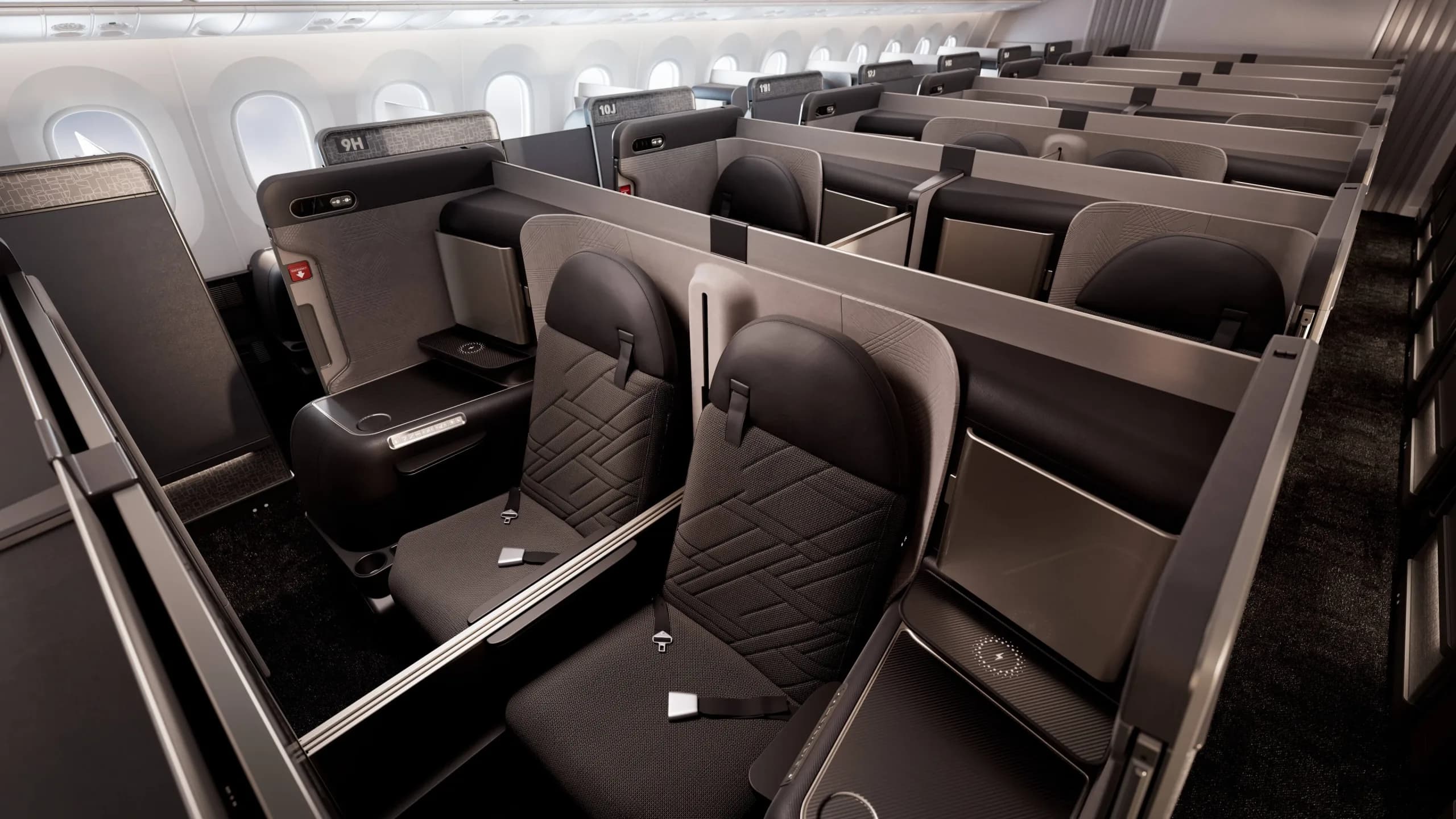
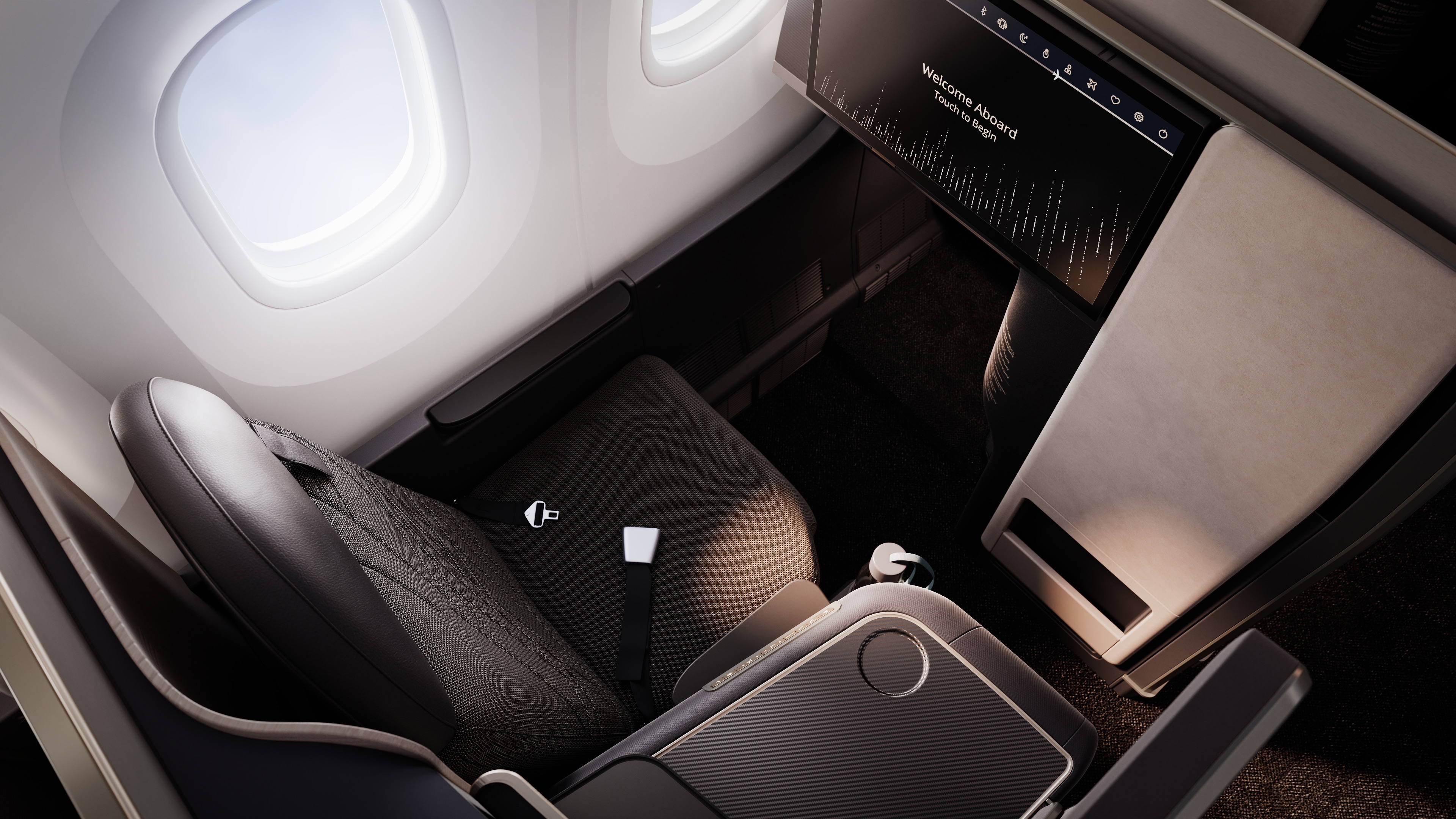
The airline's newest product, the Prestige Suites 2.0 on the Boeing 787-10, features a modern 1-2-1 layout with Collins Aerospace Horizon seats, a 23.8-inch 4K screen, wireless charging, and doors designed into each suite (though not yet activated for all routes).
For Canadian travellers, Korean Air is notable as one of the few Asian carriers offering direct flights between Canada and Northeast Asia. The airline operates nonstop service from Vancouver to Seoul Incheon, with connections to an extensive network spanning Japan, Southeast Asia, China, and beyond.
The recent merger with Asiana Airlines – fully integrating in 2027 – will create the largest carrier in South Korea and expand the route network further.
In this guide, we'll cover the different Korean Air business class seat products, which aircraft serve the Canadian route, how to book with points, and the unique aspects of the SKYPASS loyalty program that make it one of the most intriguing – and challenging – programs for Canadian travellers.
The Korean Air Business Class Experience
Korean Air's Prestige Class delivers a consistently solid experience anchored by attentive Korean hospitality, excellent cuisine, and an improving hard product. Here's what to expect.
Ground Experience
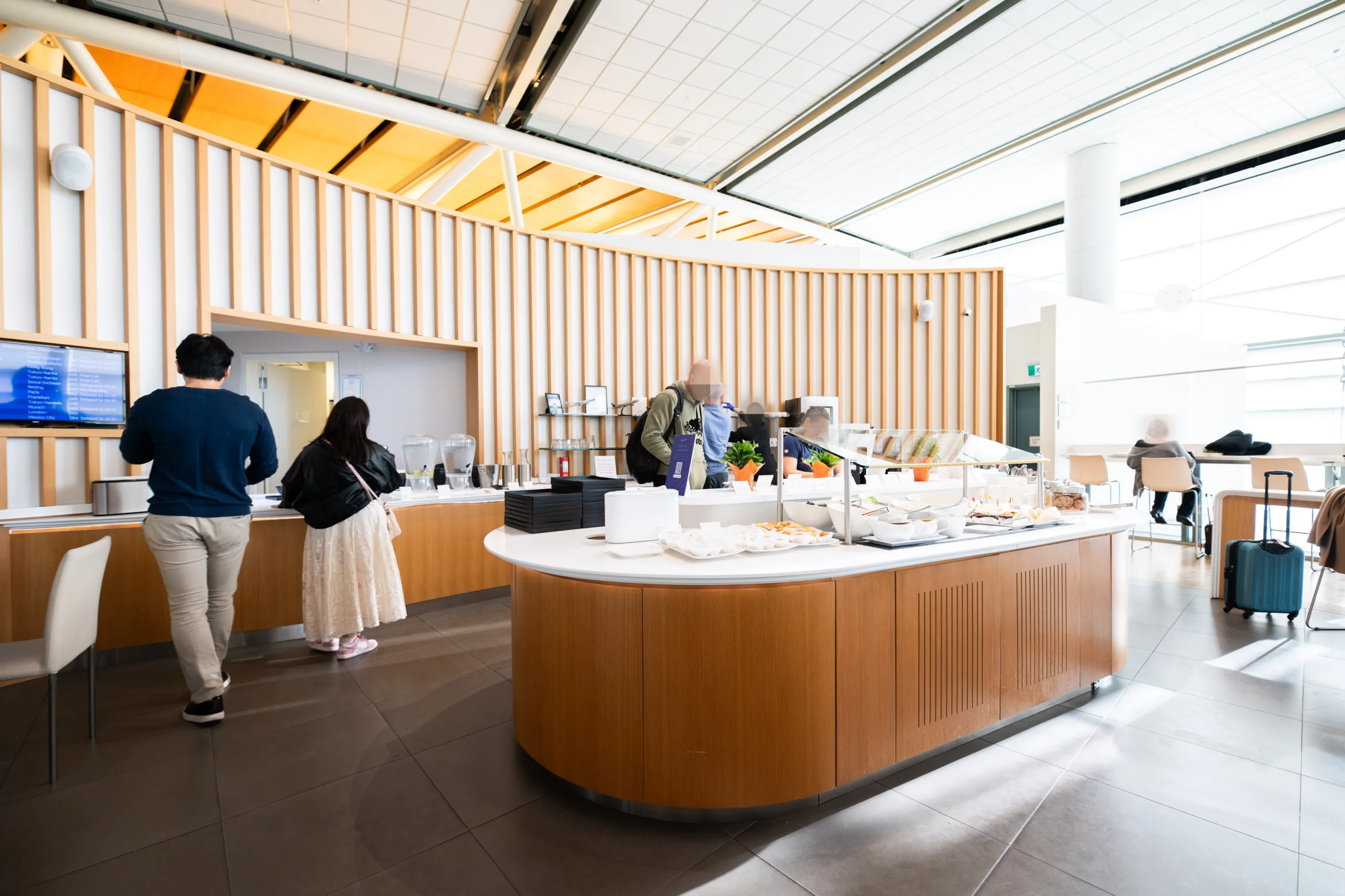
In Seoul Incheon, Korean Air operates its own Prestige Class lounges in Terminals 1 and 2.
The lounges are spacious and well-maintained, with hot and cold buffets featuring Korean dishes alongside international options, a noodle bar, a full bar with Korean beer and spirits, and shower facilities. The Terminal 2 lounge in particular is modern and impressive, with floor-to-ceiling windows overlooking the apron.
From Vancouver, Korean Air business class passengers can access the SkyTeam Lounge at YVR, which is shared among SkyTeam carriers.
The lounge features a made-to-order noodle bar serving complimentary wonton noodles, an extensive buffet, comfortable workspaces, and solid Wi-Fi – a pleasant space to relax before the roughly 11-hour flight to Seoul.
Seat
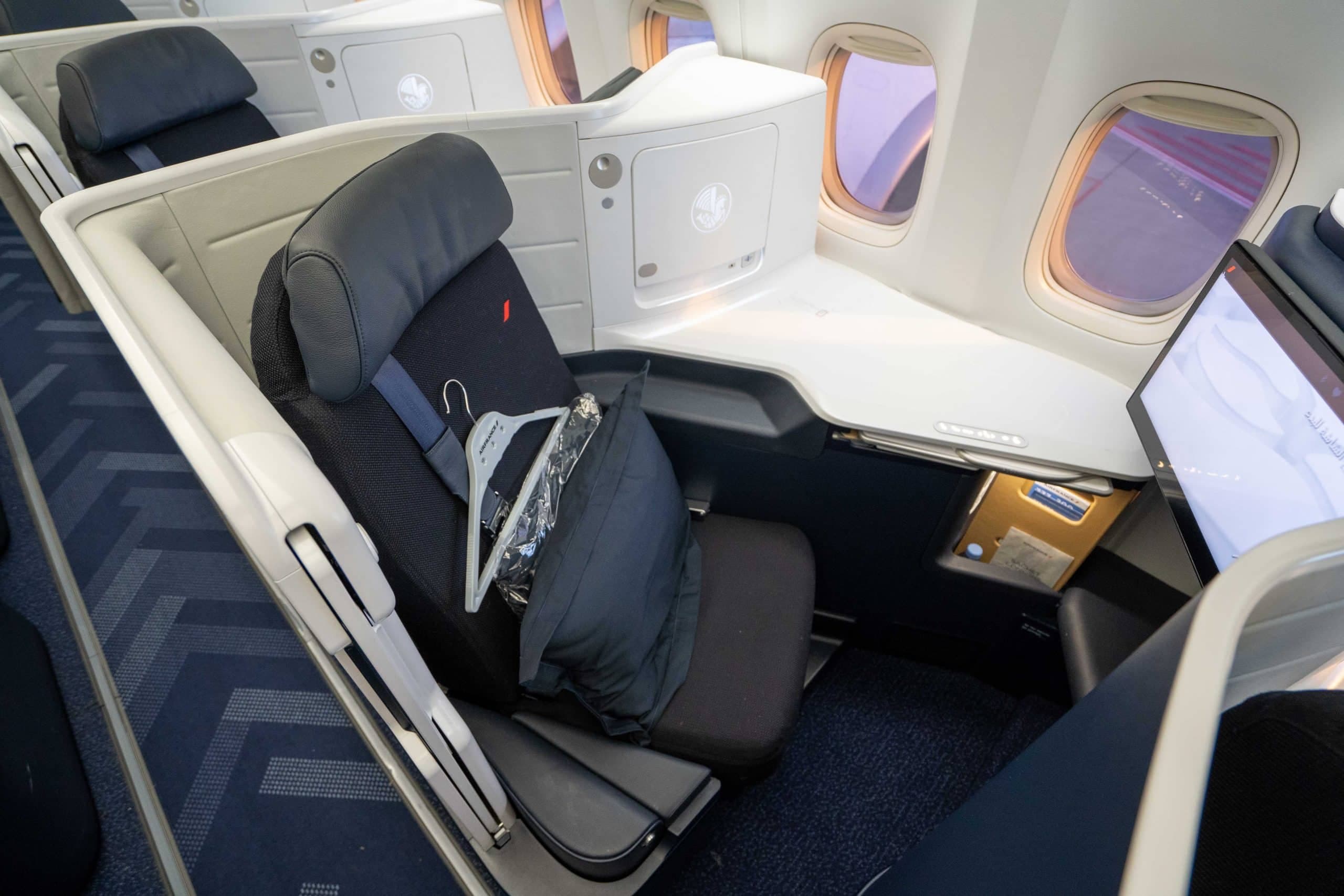
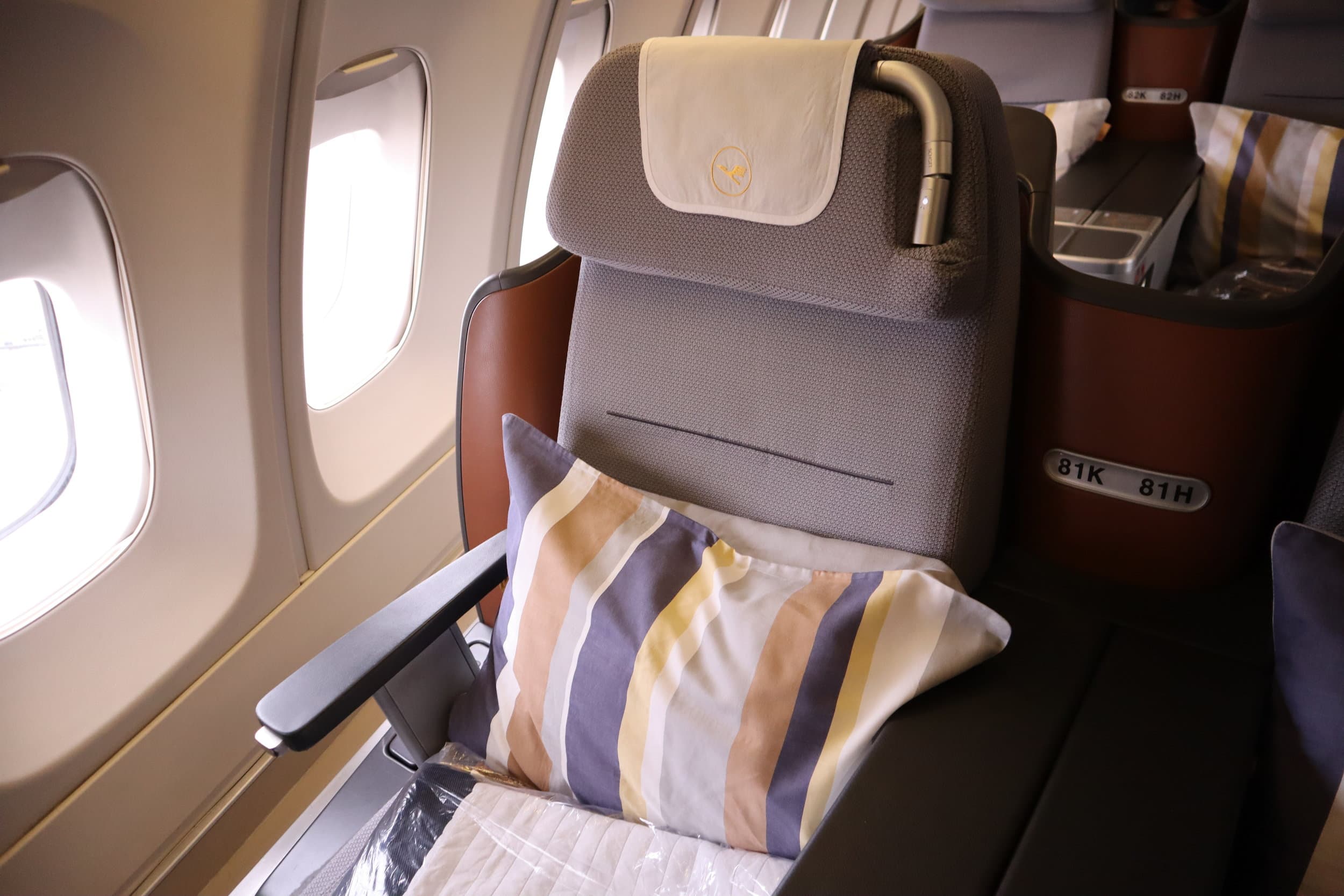
Korean Air operates several distinct business class seat products depending on the aircraft, ranging from the cutting-edge Prestige Suites 2.0 on the 787-10 to older staggered and angled-flat configurations on legacy widebodies. The fleet is in transition, and knowing which aircraft to target makes a significant difference.

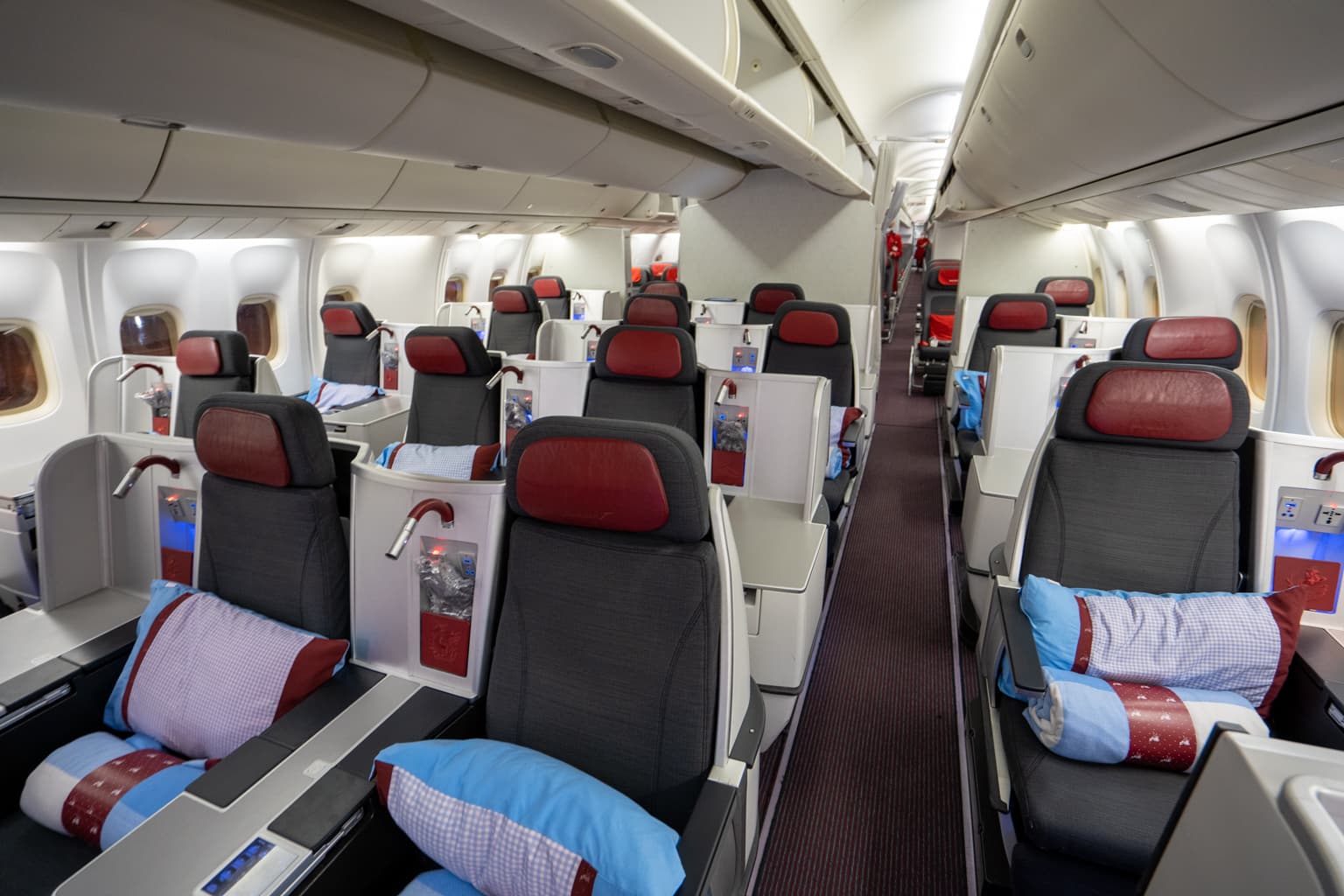
All of Korean Air's current-generation Prestige Class seats are fully lie-flat. The newest products feature 1-2-1 layouts with direct aisle access, while some older configurations – particularly on the 777-200ER and A330 – have 2-2-2 or 2-3-2 layouts that lack direct aisle access for all passengers.
Food and Drink
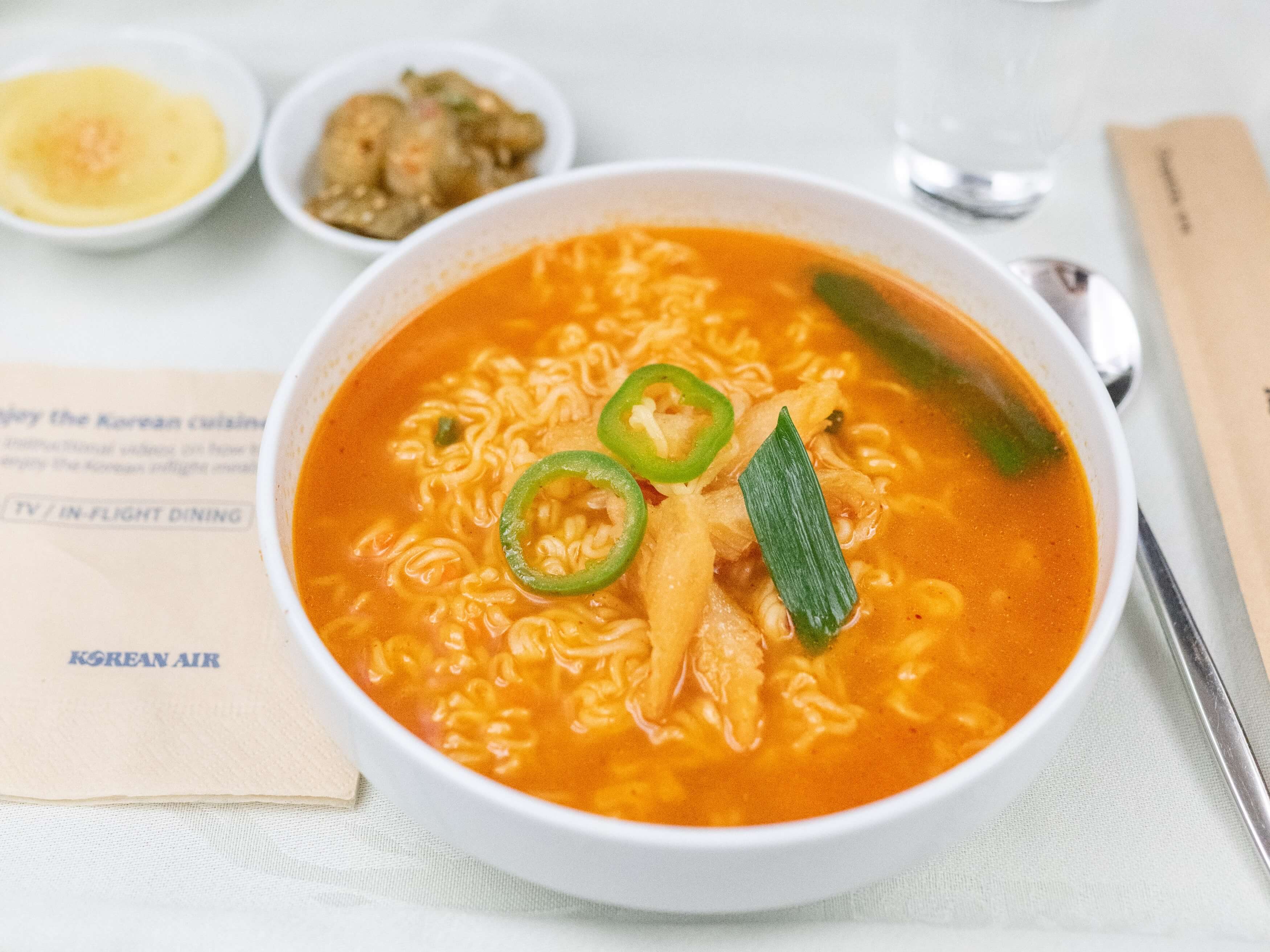
Korean Air's catering is a standout. The airline offers a choice between Western and Korean menus, and the Korean option is where the experience shines. The signature dish is bibimbap – mixed rice with vegetables, beef, gochujang sauce, and sesame oil, served with a warm soup and banchan (side dishes).
It's one of the most iconic business class meals in the sky, and Korean Air executes it beautifully.
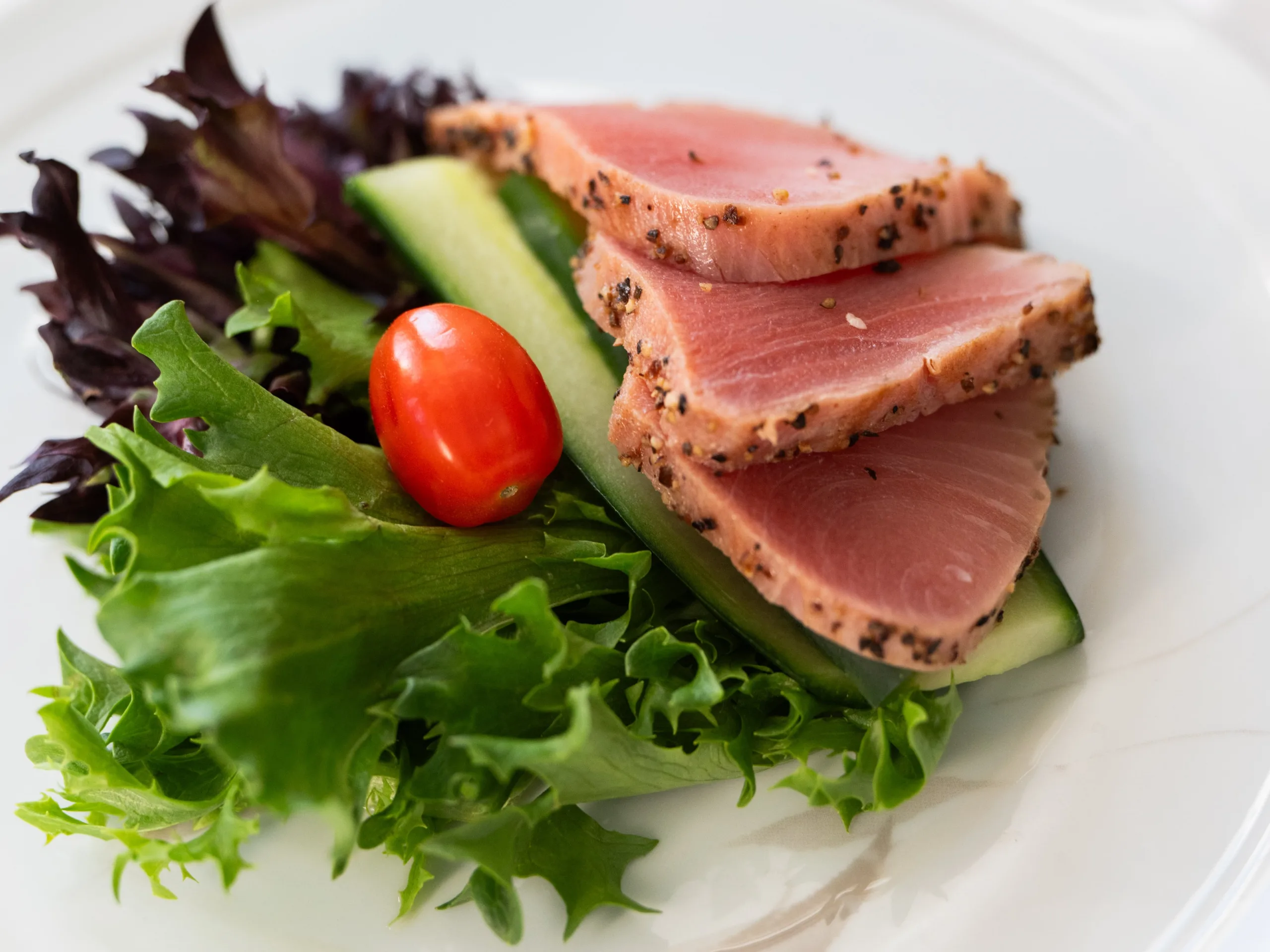
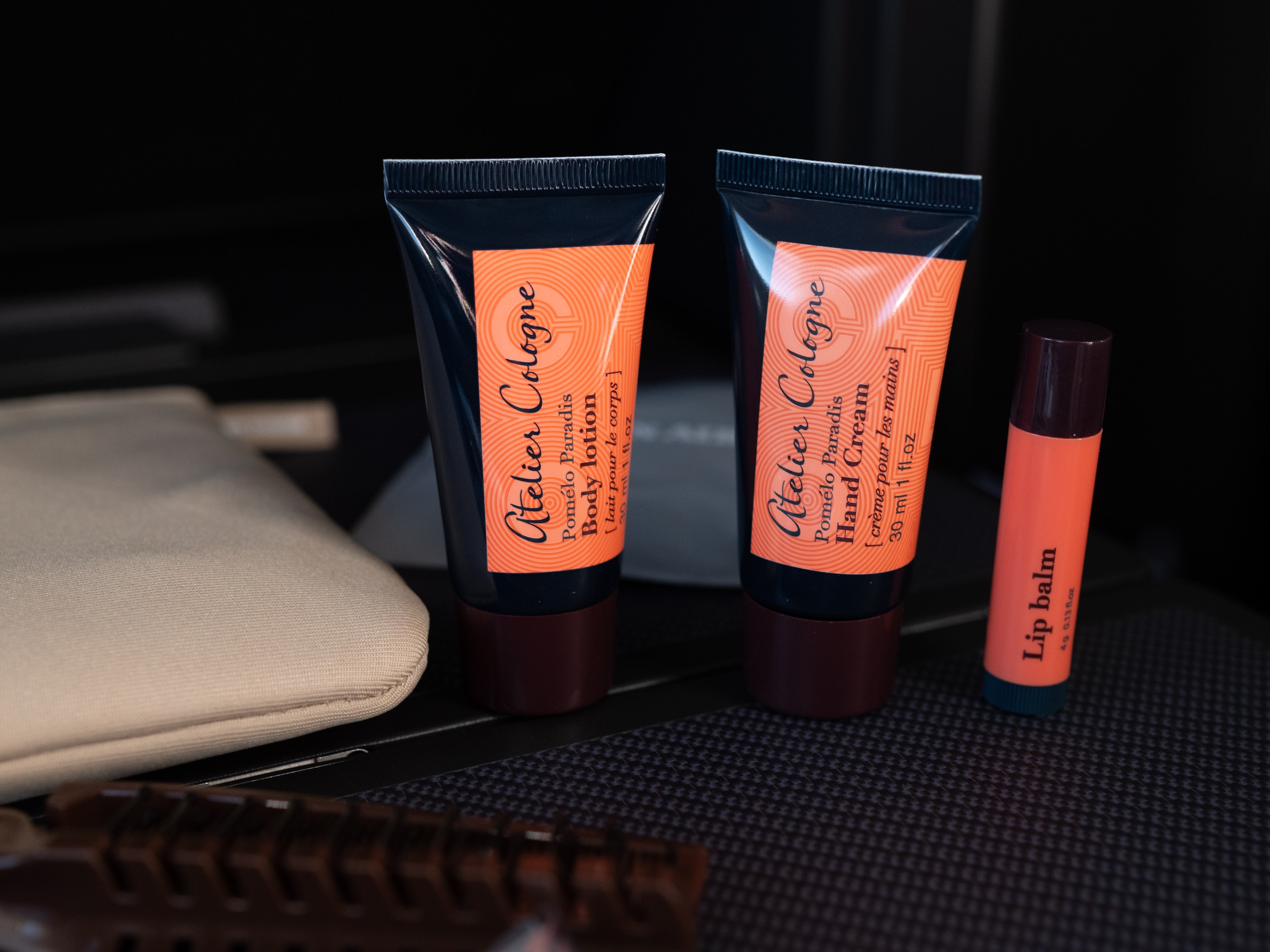
The wine list includes French champagne (Duval-Leroy Blanc de Blancs Brut is a current staple) alongside Korean rice wine, soju, and a selection of international wines. Amenity kits feature Atelier Cologne skincare products in premium packaging.
Korean Air Business Class by Aircraft
Korean Air's fleet is in transition, with the newest products representing a dramatic improvement over the older ones. Here's a breakdown by aircraft, ranked from best to weakest.
Boeing 787-10 (Prestige Suites 2.0)
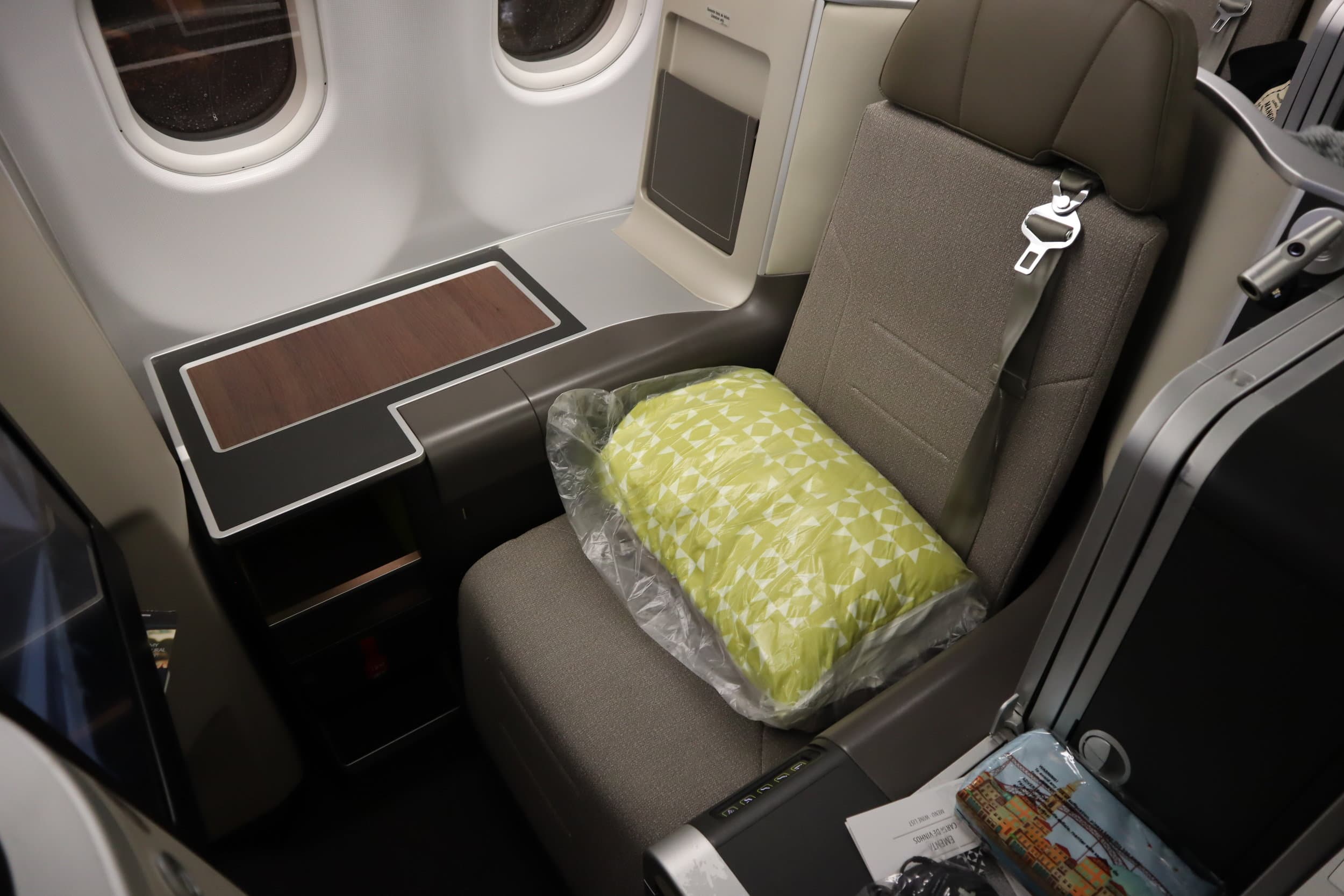
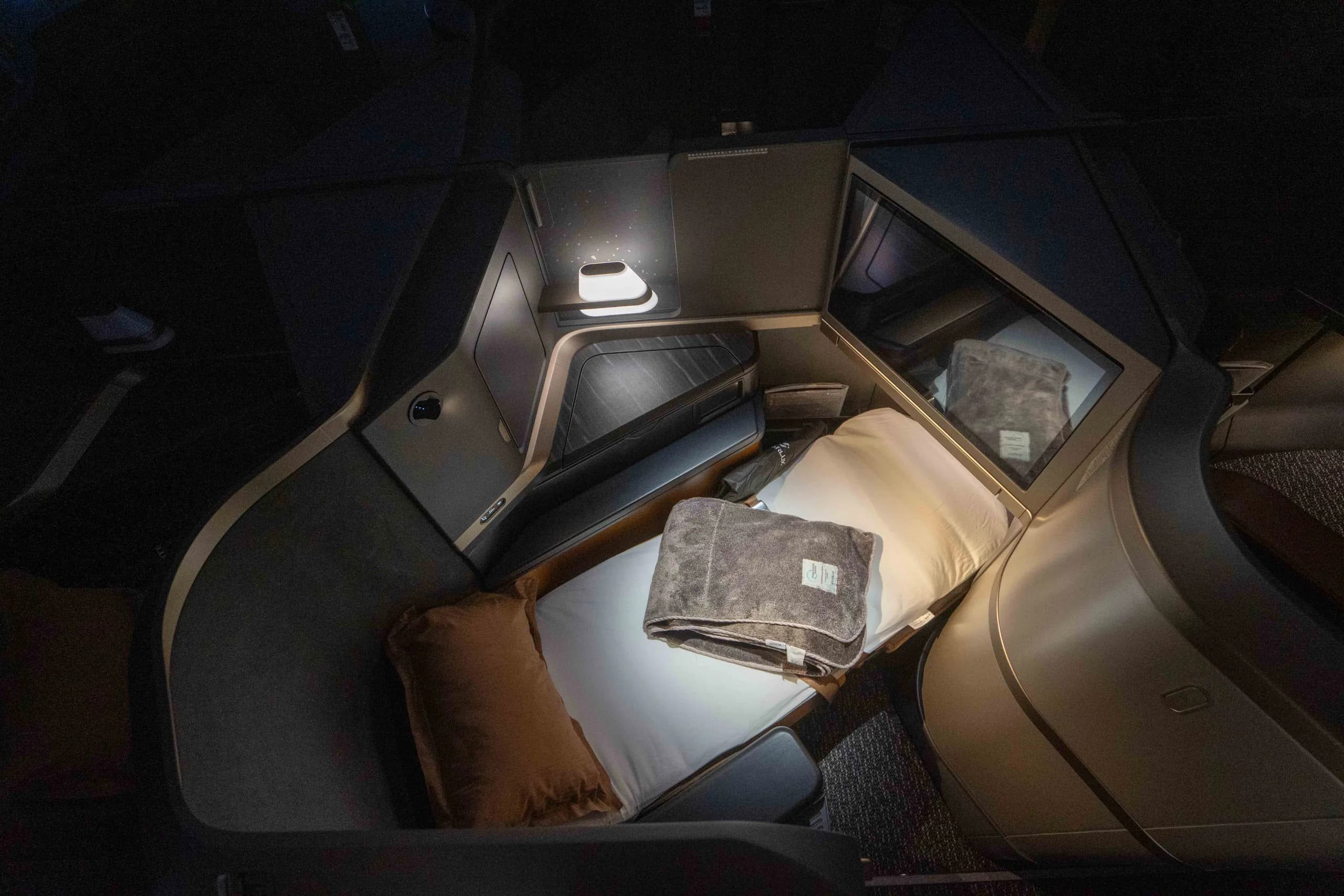
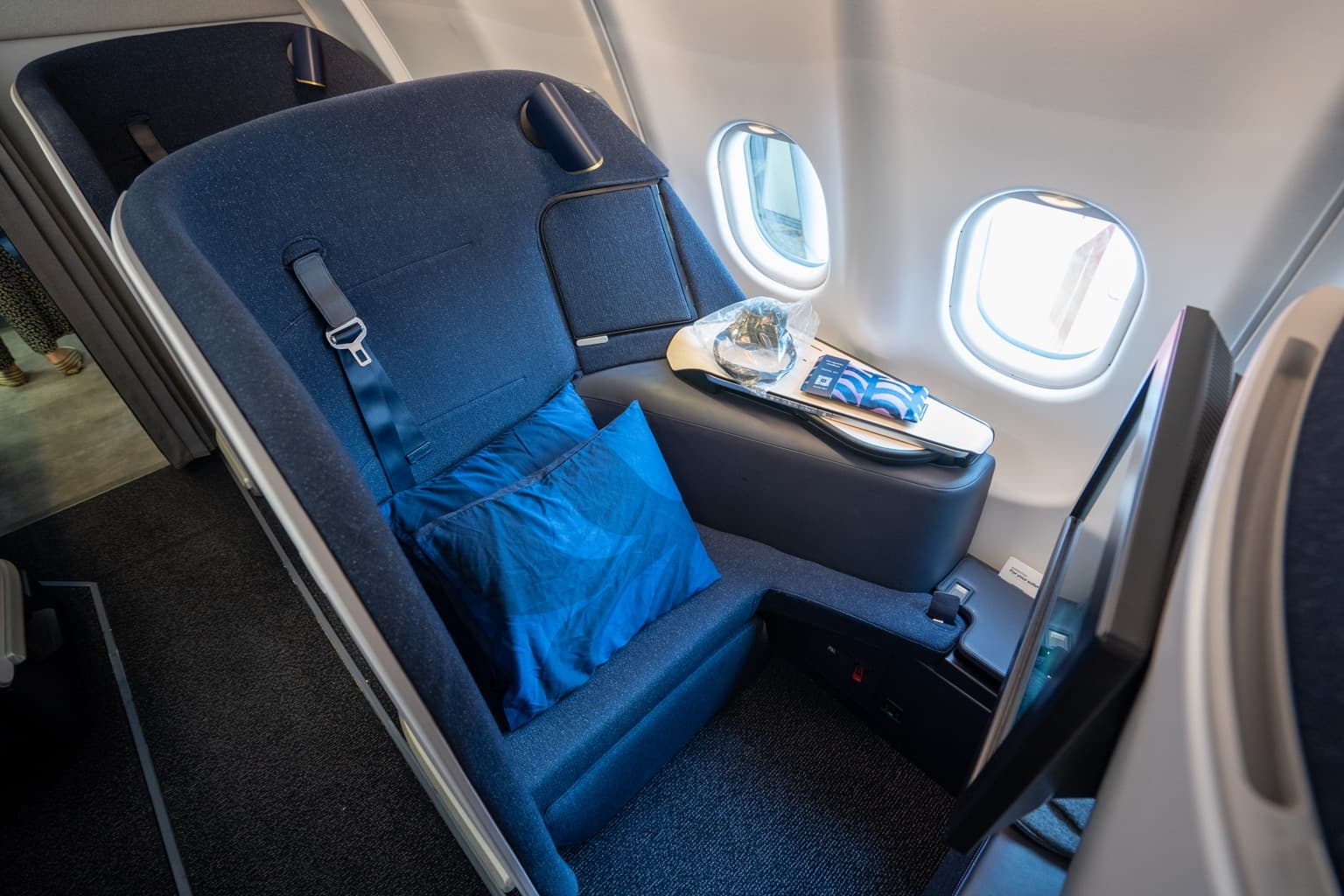
The 787-10 is Korean Air's flagship business class product and the aircraft you want to target. It features the Collins Aerospace Horizon seat – branded as Prestige Suites 2.0 – in a 1-2-1 staggered configuration with direct aisle access for every passenger.
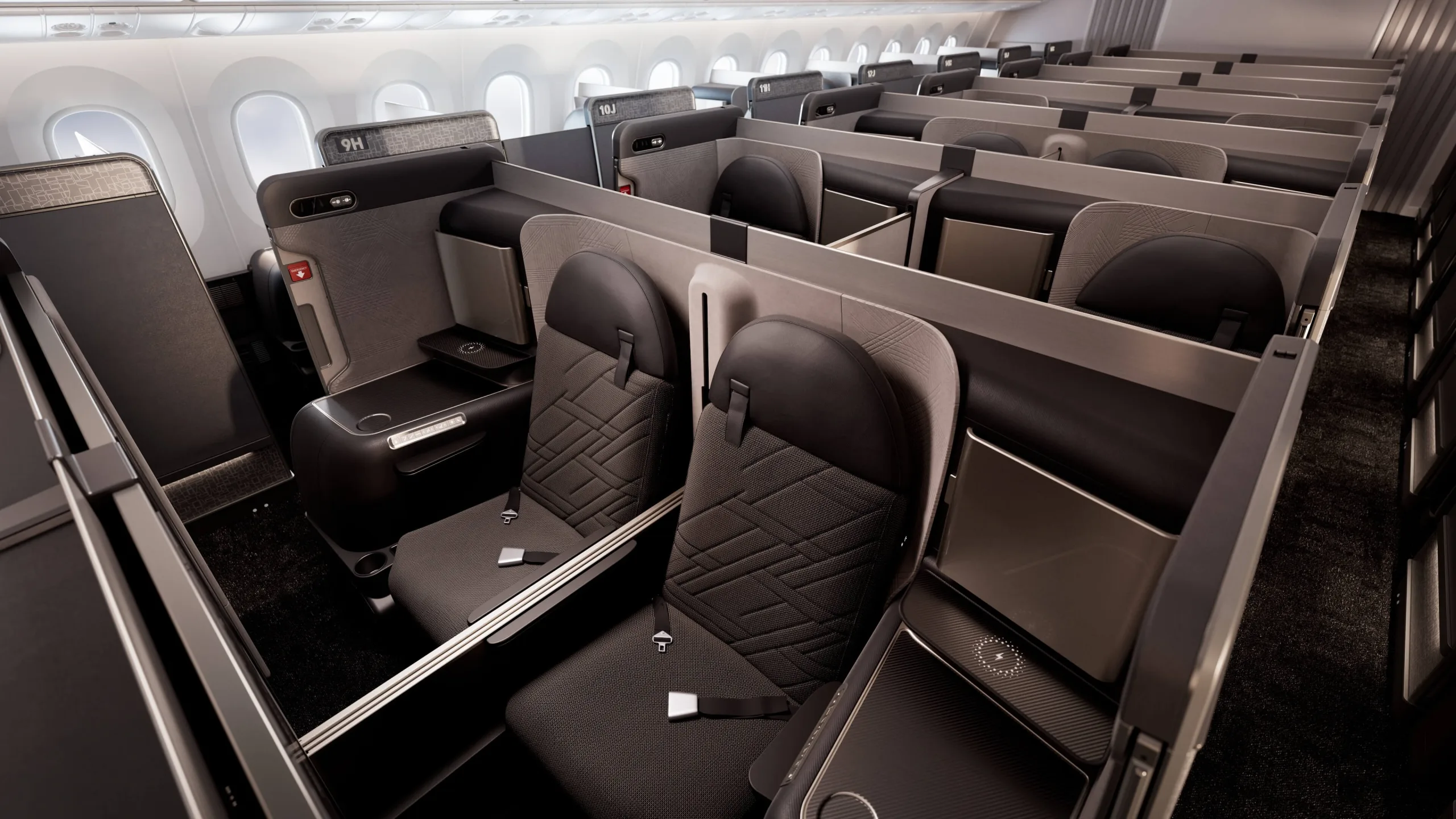
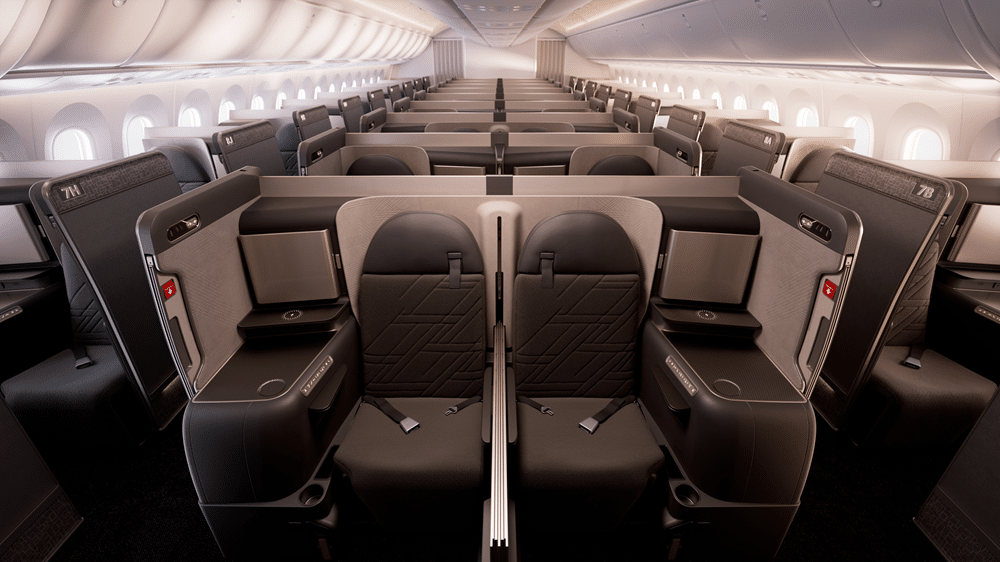
Key specifications include a 78-inch bed length, a 23.8-inch ultra-high-definition touchscreen, wireless charging, 60W USB-C outlets, and Bluetooth audio connectivity for wireless headphones. The suede finishes, brass storage covers, and deep blue upholstery create a visually striking cabin.
Each seat has a sliding door for added privacy. However, as of early 2026, the doors are not yet functional on all aircraft – they're still undergoing FAA evacuation certification on some frames. When operational, they add a meaningful layer of privacy that brings the product in line with leading competitors.
Window seats alternate between being positioned directly against the window (odd-numbered rows, more private) and slightly farther away (even-numbered rows). Centre seats alternate between being far apart (for solo travellers) and close together as "honeymoon seats" with an electronic privacy divider – ideal for couples.
The fold-out tray table deploys with a push of a button and slides into position – a clever design touch. Storage includes a dedicated compartment within the seat shell, perfect for tablets and small essentials.
Korean Air has deployed the 787-10 on its Vancouver–Seoul route, making this the primary product available to Canadian travellers.
Boeing 787-9 (Prestige Sleeper)
The 787-9 features the previous-generation Prestige Sleeper seat in a 1-2-1 staggered configuration. While it doesn't have the latest tech (no wireless charging, smaller screens, no doors), it's still a solid lie-flat product with direct aisle access.
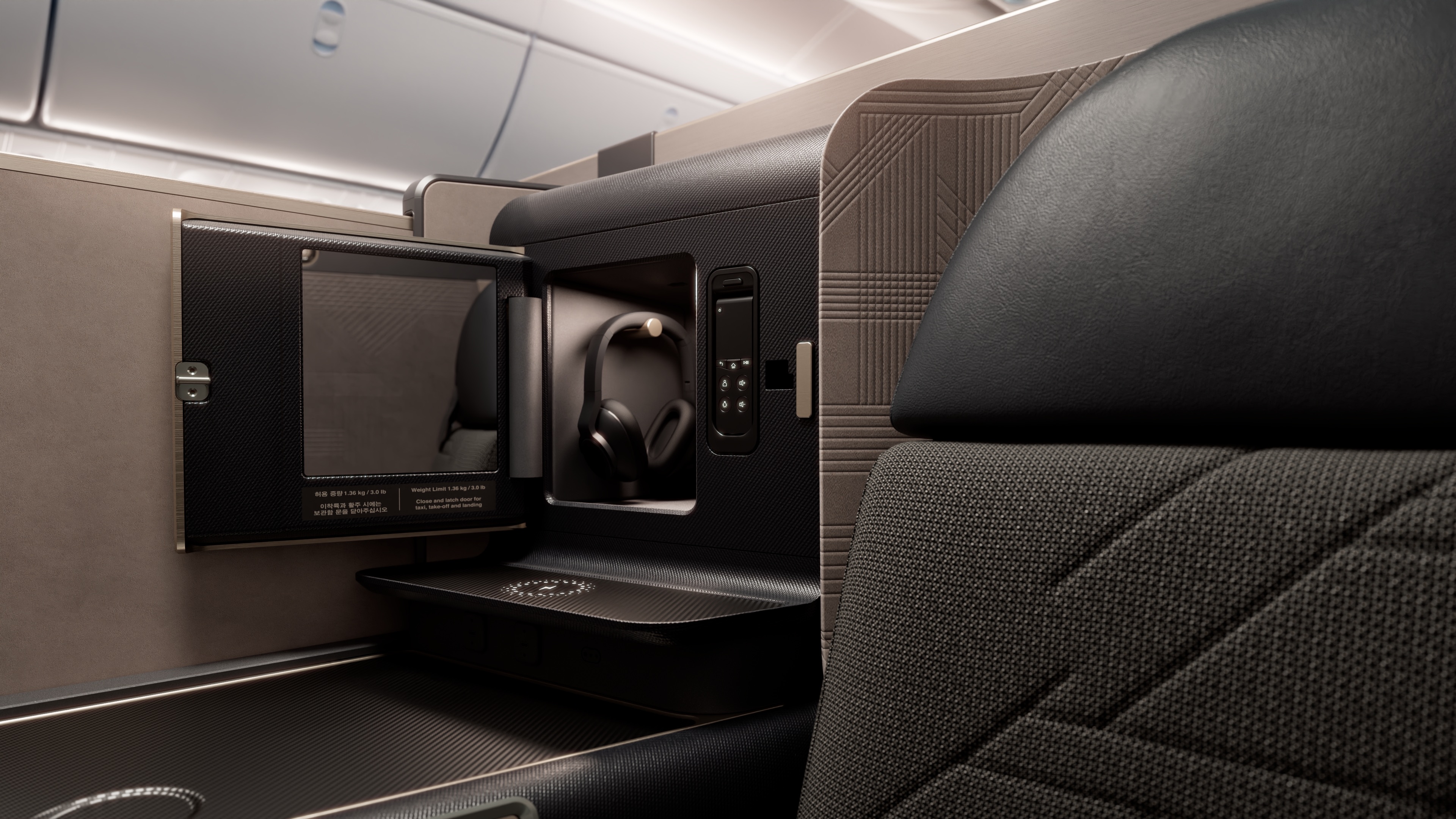
The Prestige Sleeper was one of the earlier staggered business class seats on the market and remains comfortable for sleeping, even if it looks a bit dated next to the Suites 2.0.
Boeing 777-300ER (Prestige Sleeper / Apex Suite)
Korean Air's 777-300ER fleet carries the Prestige Sleeper or Apex Suite seat in a 1-2-1 layout. The Apex Suite, manufactured by Thompson Aero, features a staggered design where window seats alternate between being close to the window (with a private hallway between the seat and the aisle) and closer to the aisle.
The window-side seats with the private hallway offer near-first-class levels of privacy – only about a third of seats are in this premium position, so choose carefully.
The 777-300ER operates Korean Air's major long-haul routes to the United States, Europe, and Australia from Seoul Incheon, including First Class service on select routes.
Airbus A330-300 and Boeing 777-200ER (Older Products)
Some A330-300 and 777-200ER aircraft in the Korean Air fleet carry older business class seats in 2-2-2 or 2-3-2 configurations. These seats are angled-flat or slightly outdated lie-flat designs without direct aisle access for all passengers.
They're being phased out as Korean Air refreshes its fleet, but you may still encounter them on certain regional or secondary routes.
Avoid these configurations if possible – the 787-10, 787-9, and 777-300ER all offer meaningfully better business class experiences.
Korean Air Business Class Routes from Canada
Korean Air currently serves one Canadian city with direct flights to Seoul Incheon.
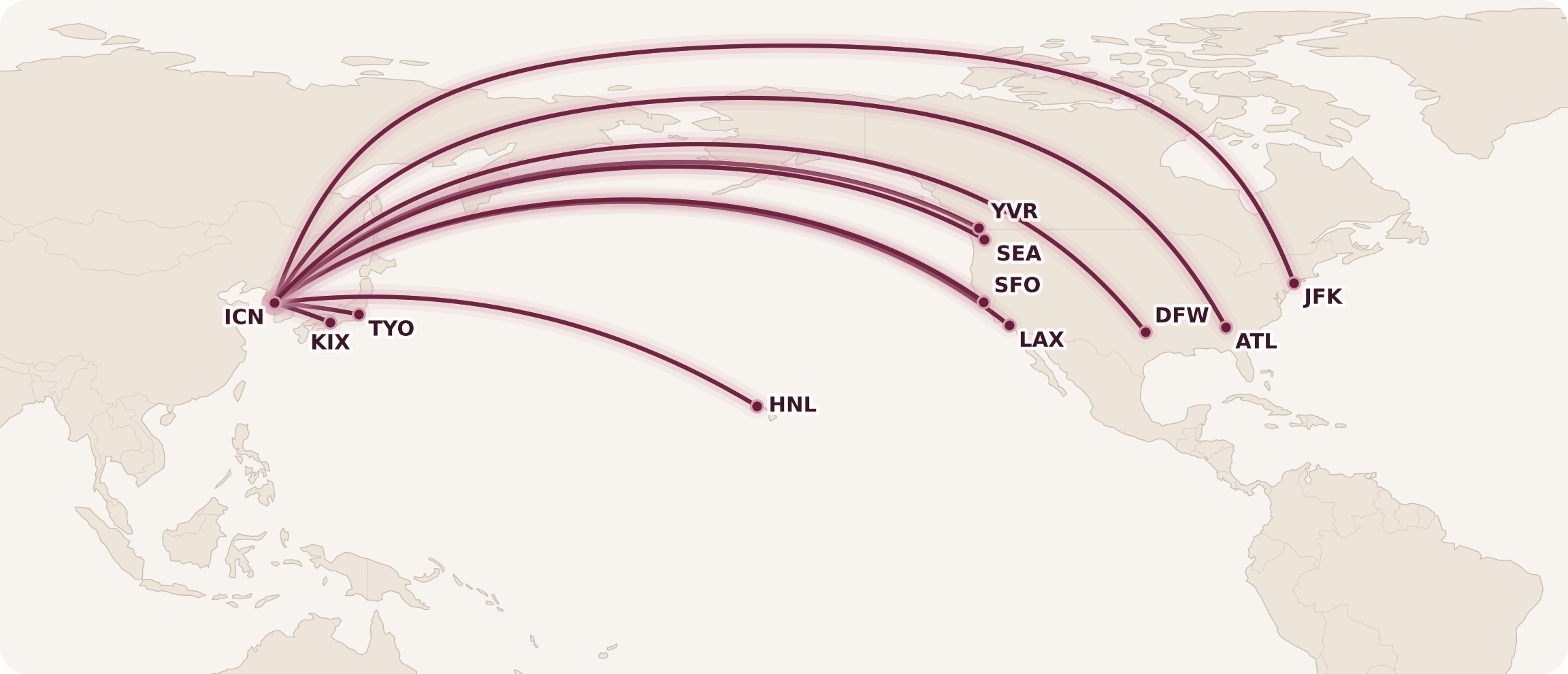
- Vancouver (YVR): Daily nonstop service to Seoul Incheon, operated by the Boeing 787-10 with Prestige Suites 2.0. At approximately 11 hours, this is one of the most convenient ways to reach South Korea from western Canada – and you get the airline's best business class product.
Korean Air previously operated Toronto–Seoul service but has not resumed it since the pandemic.
Travellers from eastern Canada can position to Vancouver, or consider connecting through a US gateway – Korean Air operates extensive service from New York JFK, Los Angeles, San Francisco, Seattle, Atlanta, Las Vegas, Honolulu, and Dallas on a mix of 787-10, 787-9, and 777-300ER aircraft.
Seoul Incheon is one of Asia's premier connecting hubs. From there, Korean Air operates flights to destinations across Japan, China, Southeast Asia, and Oceania. The merger with Asiana Airlines, targeting full integration in January 2027, will significantly expand the combined network and route options from Incheon.
How to Book Korean Air Business Class with Points
Booking Korean Air business class with points is an interesting challenge for Canadians. The most obvious option – the airline's own SKYPASS program – offers excellent pricing but is notoriously difficult to earn into from Canada. Alternative programs offer workarounds.
Through Korean Air SKYPASS
SKYPASS prices Korean Air business class from North America to Korea at 62,500 miles one-way (off-peak) or 92,500 miles (peak). These are competitive rates, and SKYPASS awards on Korean Air metal have no fuel surcharges.
The challenge for Canadians is earning SKYPASS miles. No Canadian bank points program transfers to SKYPASS, and the major US transferable currencies (Chase, Amex, Citi, Capital One) have also dropped their SKYPASS partnerships.
The only remaining earn options are flying Korean Air/SkyTeam, hotel transfers (Hyatt at 5:2, Shangri-La Circle at 1:1, Accor at 2:1), or purchasing miles during promotions.
SKYPASS has some unique features: a 30-day free hold on award bookings, 10-year mile expiry, and a free stopover on round-trip awards (allowing you to visit two cities for one award price). However, partner awards (on non-Korean Air SkyTeam flights) are round-trip only – no one-way bookings.
Through Flying Blue
Flying Blue can book Korean Air flights as a SkyTeam partner. Vancouver to Seoul in business class prices at approximately 85,500 Flying Blue miles one-way.
This is more expensive than SKYPASS, but Flying Blue miles are vastly easier for Canadians to earn – Amex Membership Rewards transfers at 1:1.
The drawback: Flying Blue's availability for Korean Air partner flights can be limited, and some routings may price higher due to the program's dynamic pricing algorithm. Check availability on the Flying Blue website or app.
Through Delta SkyMiles
Delta SkyMiles can book Korean Air business class at dynamic pricing, typically in the range of 80,000–200,000 miles one-way depending on demand.
Pricing has been increasingly unpredictable since Delta moved to fully dynamic partner awards, but occasional sweet spots emerge. The main disadvantage for Canadians is limited access to SkyMiles earning.
Through SKYPASS for SkyTeam Partners
One of SKYPASS's hidden strengths is its fixed-rate SkyTeam partner chart. A round-trip business class ticket from North America to Europe on SkyTeam carriers prices at just 80,000 SKYPASS miles – one of the cheapest transatlantic business class awards in any program. This applies to Air France, KLM, and other SkyTeam airlines.
Similarly, SkyTeam partner first class within North America is priced the same as business class at 45,000 miles round-trip – meaning you can book Delta domestic First Class for the same price as business.
Korean Air Business Class Award Availability
Korean Air releases award space to its own SKYPASS members more generously than to partner programs. If you're using SKYPASS miles, availability on the Vancouver–Seoul route is generally reasonable, especially when booking 3–6 months in advance.
Through Flying Blue and Delta SkyMiles, availability is more limited. Korean Air tends to release fewer seats to SkyTeam partners, and popular routes (particularly Vancouver–Seoul) can be difficult to find through these programs.
A useful strategy: if you can't find direct availability on your preferred date, consider routing via a US gateway. Korean Air's extensive US network (Los Angeles, San Francisco, Seattle) offers more flight options and potentially better partner availability.
Tips and Strategies
Here are the key strategies for getting the most out of Korean Air business class as a Canadian traveller.
- Fly the 787-10 from Vancouver. Korean Air deploys its best business class product on the Vancouver–Seoul route. The Prestige Suites 2.0 is a modern, competitive product – take advantage of having it on the only direct Canadian route.
- Use Flying Blue if you lack SKYPASS miles. For most Canadians, Flying Blue is the most practical program for booking Korean Air business class. Transfer Amex Membership Rewards at 1:1 and search for saver availability on the Flying Blue website.
- Choose your window seat carefully. On the 787-10, window seats in odd-numbered rows are closer to the window (more private), while even-numbered rows are closer to the aisle. If you're travelling as a couple, the close-together centre seats with the honeymoon divider are ideal.
- Explore Seoul as a connecting hub. Incheon is a fantastic gateway to Japan, Southeast Asia, and China. Korean Air's network from Seoul covers dozens of destinations, many with competitive award pricing through SKYPASS or Flying Blue.
- Watch for the Asiana integration. The Korean Air–Asiana merger is targeting full loyalty program integration in January 2027, with a 1:1 SKYPASS-to-Asiana miles conversion for flight miles. This will significantly expand the combined network and may create new opportunities for award bookings.
- Consider the SKYPASS stopover. On round-trip SKYPASS awards, you can add a free stopover in a connecting city. This effectively lets you visit two destinations for the price of one – excellent for building a multi-city Asian itinerary.
Conclusion
Korean Air's business class has made significant strides with the Prestige Suites 2.0 on the 787-10 – a product that holds its own against the best in the business with its spacious 1-2-1 layout, 4K screens, wireless charging, and privacy doors (once fully activated).
The Korean dining experience, anchored by the signature bibimbap and attentive service, adds a distinctive cultural element that many other airlines lack.
For Canadian travellers, the direct Vancouver–Seoul route on the 787-10 makes this one of the most accessible ways to reach Asia in a premium cabin. While earning SKYPASS miles is challenging from Canada, Flying Blue provides a practical alternative.
And with the Asiana integration on the horizon, the combined Korean Air network will only become more compelling.
First-year value
$336
Monthly fee: $15.99
• Earn 1,250 points per month upon spending $750 per month for 12 months
Earning rates
Key perks
- Transfer to airline and hotel partners
Monthly fee: $15.99
• Earn 1,250 points per month upon spending $750 per month for 12 months
Earning rates
Key perks
- Transfer to airline and hotel partners